
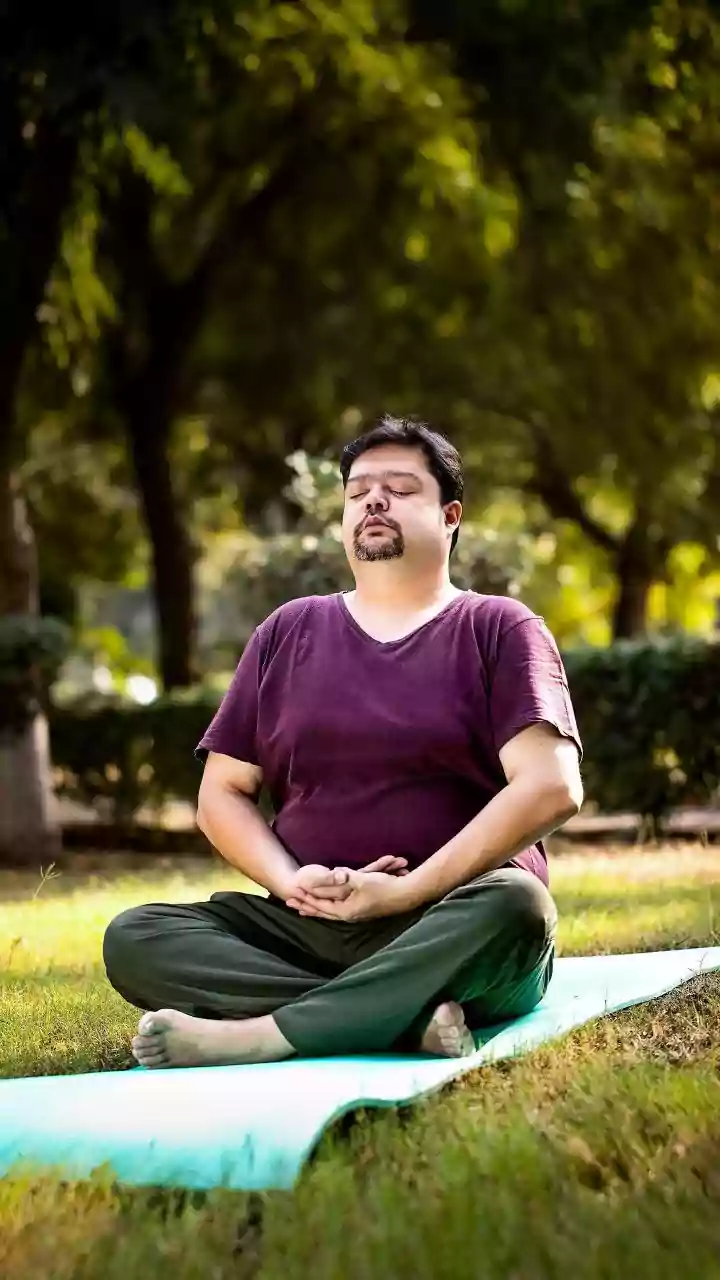
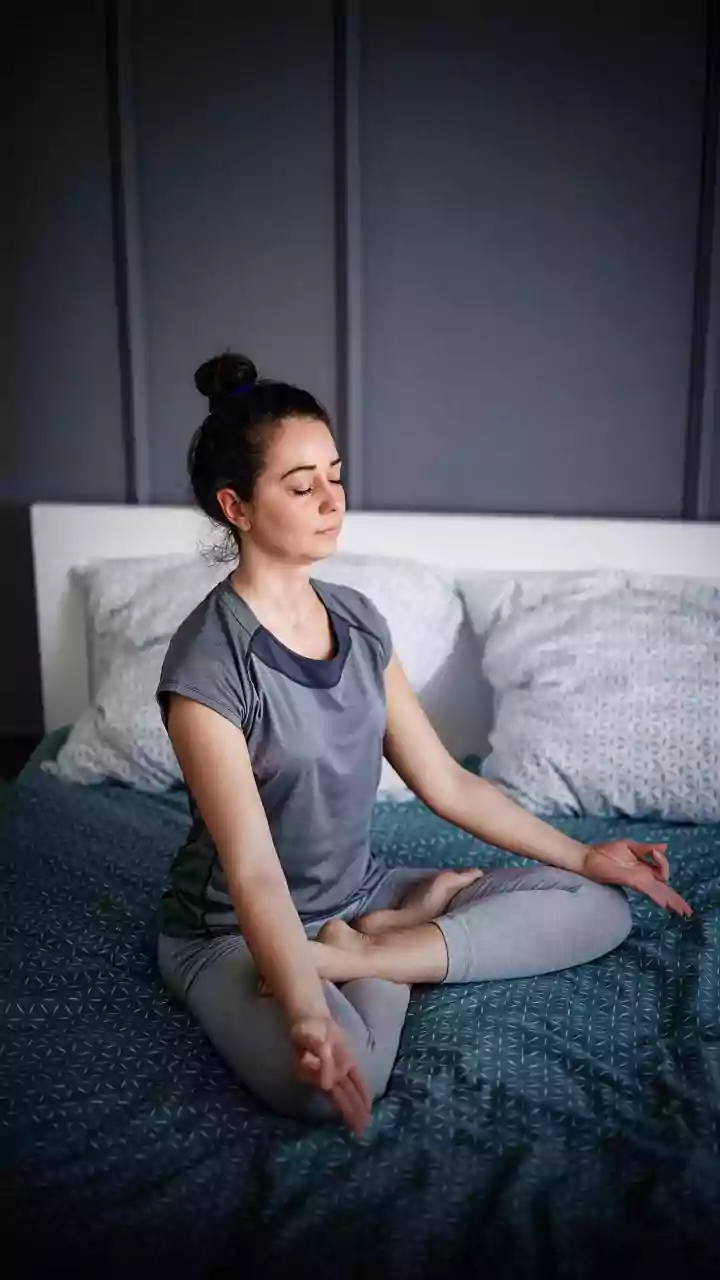

What Exactly Is Pranayama?
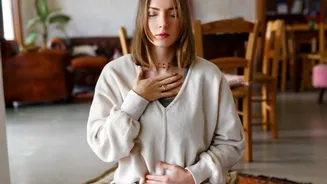
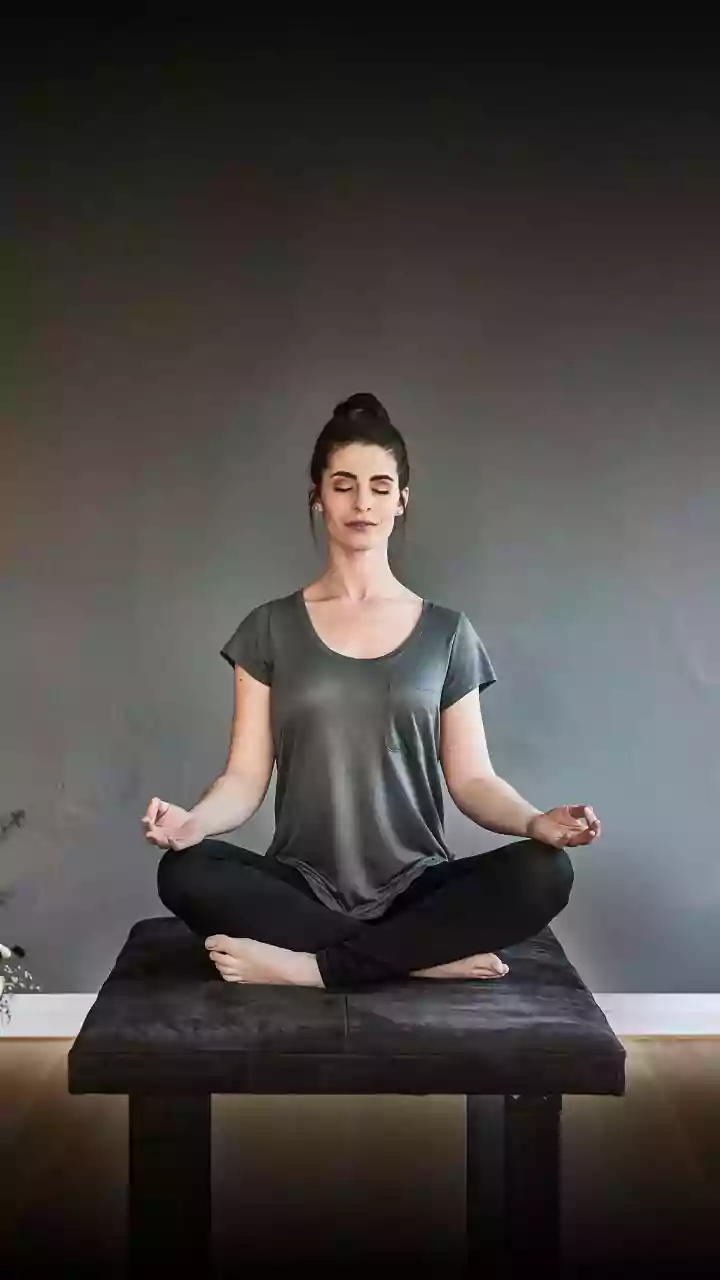
Pranayama is a core practice in yoga, but you don't need a mat to do it. In Sanskrit, 'prana' means life force energy, and 'ayama' means to regulate or extend. So, pranayama is the conscious regulation of breath. It’s more than just simple deep breathing;
it involves intentionally controlling the timing and pattern of your inhales, exhales, and the pauses in between. The goal is to use the breath to influence your energy, calm your nervous system, and connect your mind and body. Ancient yogis understood that how we breathe directly mirrors and affects our emotional state, a concept that modern science is now beginning to validate.
The Science of a Calming Breath
Your breath is the most direct way to communicate with your autonomic nervous system, which controls involuntary functions like heart rate and stress responses. This system has two main branches: the sympathetic ('fight or flight') and the parasympathetic ('rest and digest'). When you're stressed or anxious, your breathing becomes shallow and rapid, keeping your body in a state of high alert via the sympathetic system. Slow, controlled breathing, especially with a longer exhale, stimulates the vagus nerve. This is a primary component of the parasympathetic system, and activating it triggers a relaxation cascade: your heart rate slows, blood pressure may drop, and your brain receives a clear signal that it's safe to relax. This shift from a state of stress to a state of calm is the biological basis for pranayama's effectiveness.
Taming Anxiety, One Breath at a Time
Because of its direct impact on the nervous system, pranayama is a powerful tool for managing anxiety. When you feel anxious, your body is physically stuck in that 'fight or flight' mode. Regular practice of pranayama interrupts this cycle at its source. Studies have shown that yogic breathing can reduce the production of the stress hormone cortisol, lower heart rate, and improve heart rate variability (HRV), which is a key marker of your body's ability to handle stress. By consciously changing your breathing pattern, you can alter your brain's perception of danger, helping to regulate emotional responses in brain areas like the amygdala and prefrontal cortex. This fosters long-term emotional resilience rather than just temporary relief.
Paving the Way for Restful Sleep
The same calming mechanisms that reduce anxiety also prepare your mind and body for sleep. A racing mind is one of the most common barriers to falling asleep. Pranayama techniques help to quiet this mental chatter by giving your mind a single, soothing point of focus: the breath. This intentional focus draws your attention away from stressful thoughts. As the parasympathetic nervous system takes over, your body can transition more easily into a restful state. Research suggests that specific pranayama practices can decrease snoring and daytime sleepiness, leading to better overall sleep quality. Some studies even indicate that these breathing exercises can influence brain chemicals like GABA, which promotes relaxation.
Technique 1: Bhramari (Humming Bee Breath)
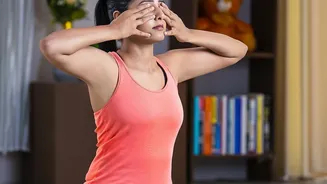
Bhramari is incredibly effective for calming the mind, especially before bed. The gentle humming sound creates internal vibrations that soothe the nervous system. How to do it: Sit comfortably with a straight spine and close your eyes. Inhale deeply through your nose. Place your thumbs on your ears to close them, and rest your other fingers gently over your eyes. As you exhale slowly, make a low, steady humming sound like a bee for the entire duration of the exhale. Feel the vibration in your head. Repeat this cycle for 6 to 8 rounds, then sit in silence for a minute to notice the calming effect.
Technique 2: Anulom Vilom (Alternate Nostril Breathing)
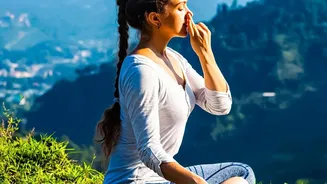
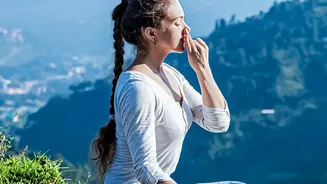
This classic pranayama is known for its ability to create a sense of balance and equilibrium, harmonizing the left and right hemispheres of the brain. It’s excellent for reducing stress and clearing the mind. How to do it: Sit comfortably. Fold the index and middle fingers of your right hand. Close your right nostril with your thumb and inhale slowly through your left nostril. Then, close your left nostril with your ring finger, release your thumb, and exhale slowly through your right nostril. Inhale through the right nostril, close it with your thumb, and then exhale through the left. This completes one full round. Continue this steady, rhythmic pattern for 5 to 10 minutes.