



The Obvious Perk: Your Wallet
Let’s start with the most compelling reason: it’s significantly cheaper. The travel industry runs on supply and demand, and the peak seasons—summer holidays and the festive winter period—see prices for flights and hotels skyrocket. The monsoon, typically
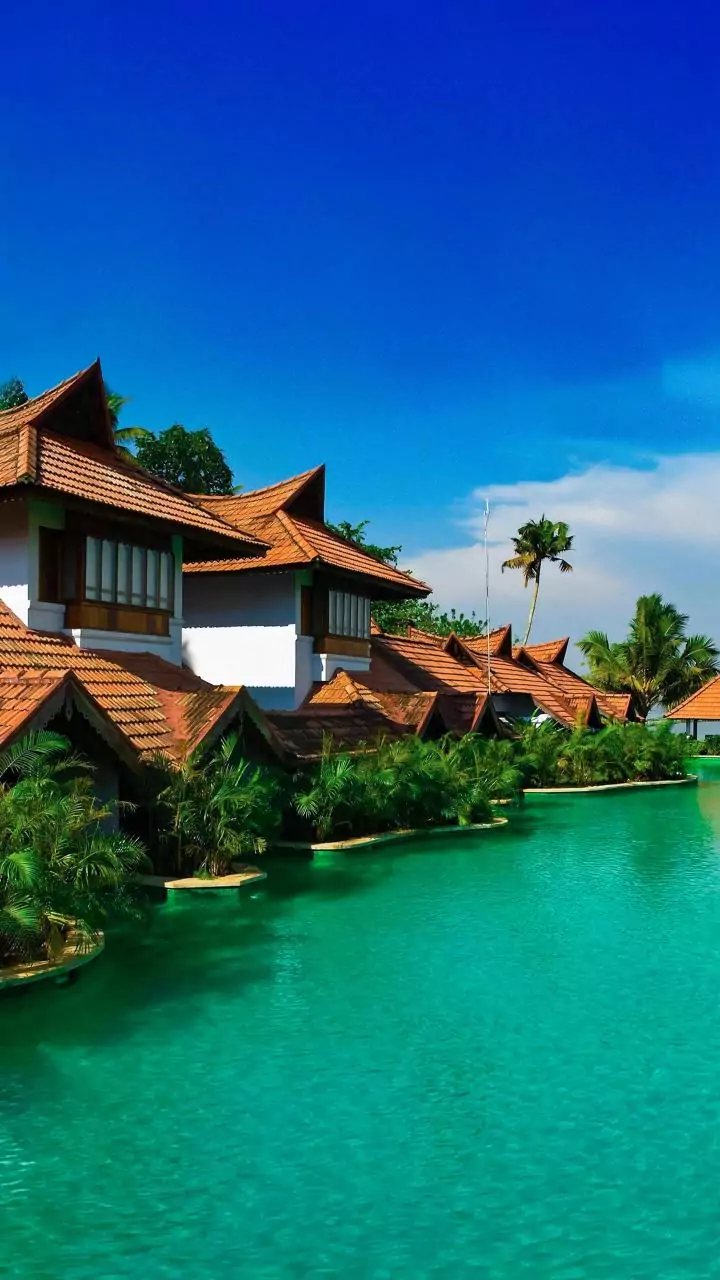
running from June to September, is considered the off-season for many popular destinations. Airlines and hotels are left with empty seats and rooms, prompting them to slash prices to attract travellers. It’s not uncommon to find luxury hotels offering rooms at 30-50% less than their peak-season rates. These deals often come bundled with extras like free meals, spa credits, or complimentary upgrades. Suddenly, that five-star resort that felt out of reach becomes a very real possibility. This isn’t about settling for less; it’s about getting much more for your money.
Experience Places, Not People
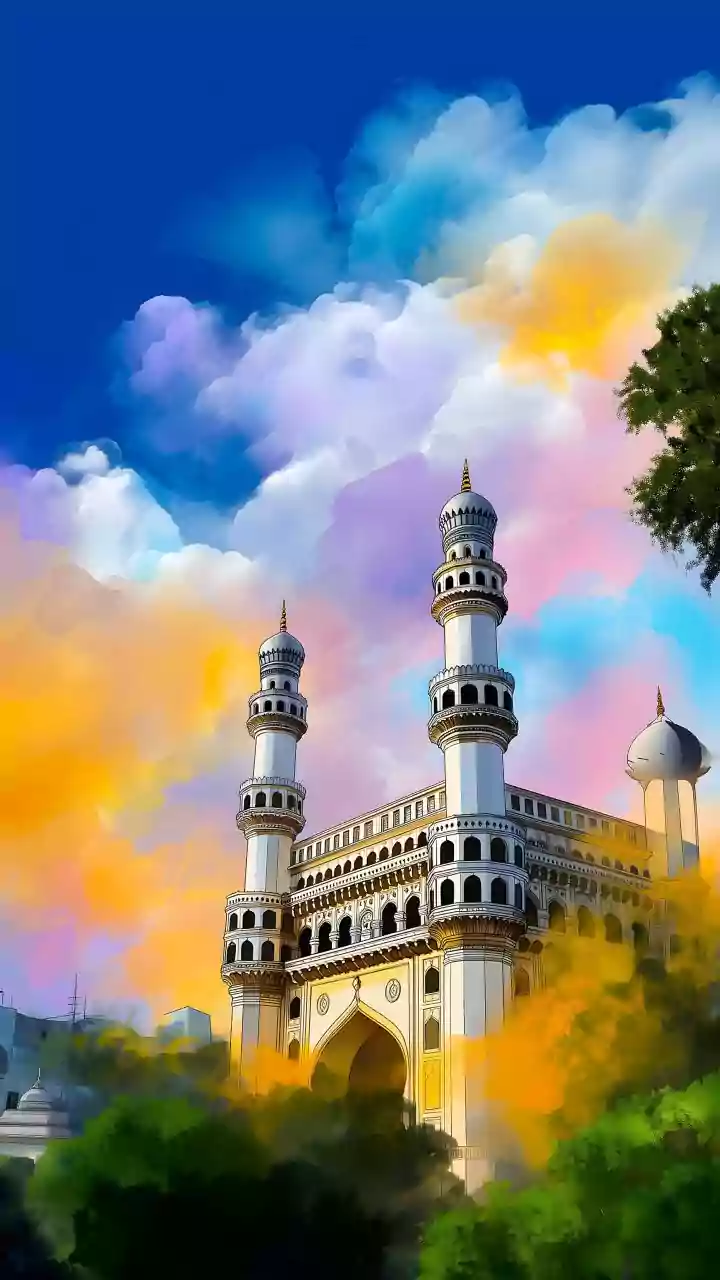
Imagine visiting a popular viewpoint without having to jostle for a spot to take a photo. Picture strolling through a historic fort with only the sound of the rain for company. This is the reality of off-season travel. The throngs of tourists that descend upon places like Goa, Kerala, or the hill stations of Himachal Pradesh during peak months thin out dramatically during the rains. This creates a more tranquil and intimate travel experience. You get to see a destination in its more natural state, interacting with locals who are often more relaxed and welcoming without the pressure of peak tourist season. The queues are shorter, the service is often more attentive, and the overall atmosphere is one of peace rather than frantic energy.
A Different Kind of Beauty
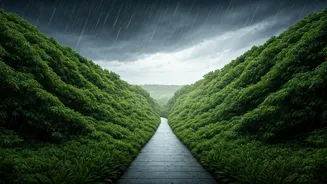
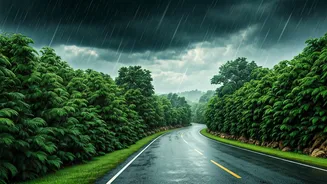
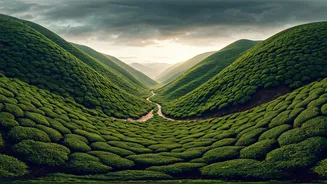
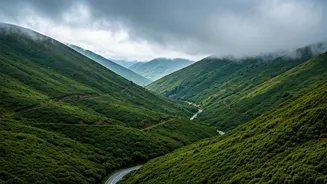
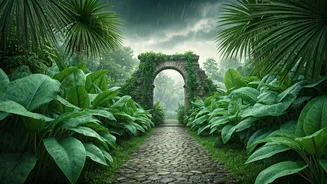
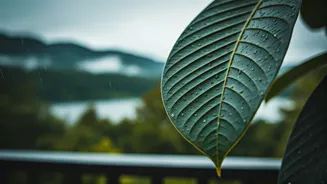
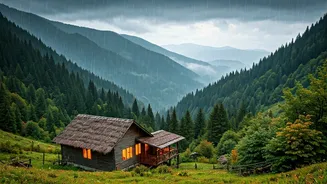
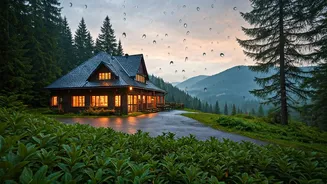
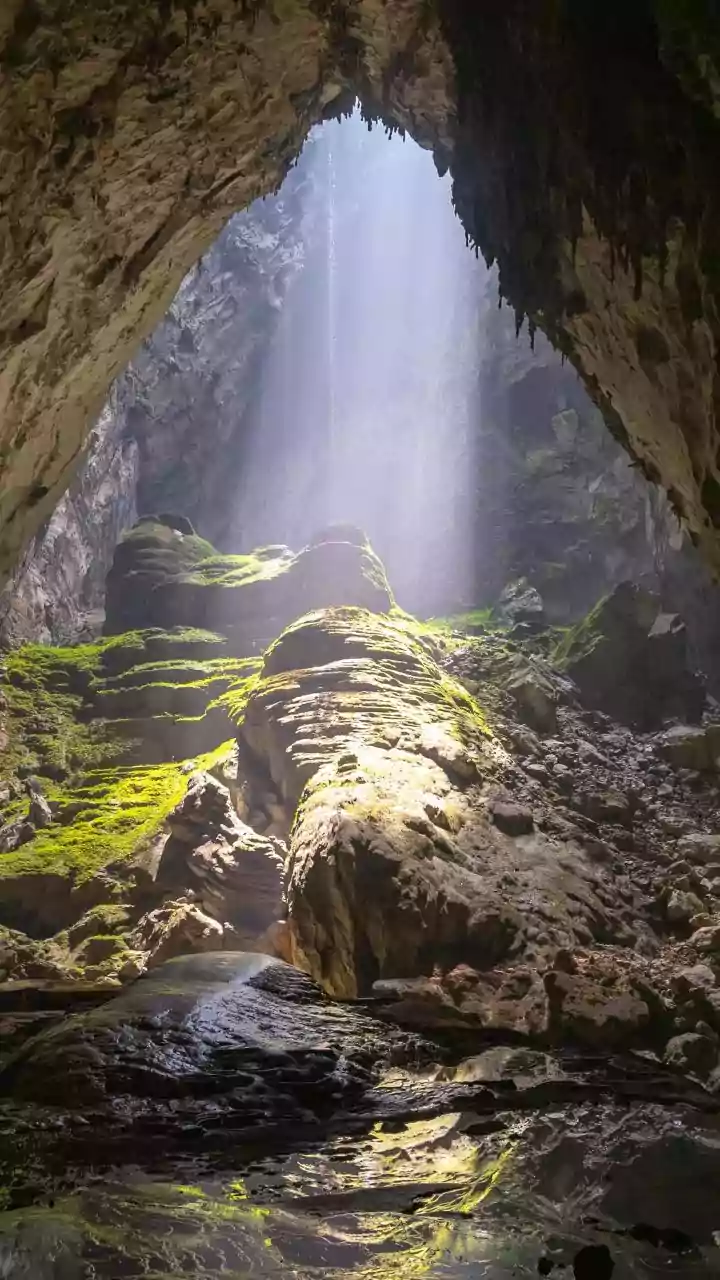
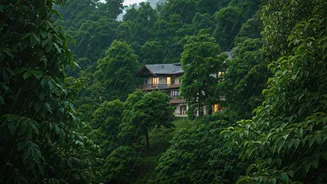
Many parts of India are arguably at their most beautiful during the monsoon. The rain washes away the dust, leaving behind a world saturated with colour. Hills and mountains draped in countless shades of green replace the parched landscapes of summer. Waterfalls, often just a trickle in the dry season, roar back to life. The deserts of Rajasthan, after a fresh shower, have a unique, earthy scent and a surprising softness. In Kerala, the backwaters swell, reflecting the dramatic, overcast skies. The beauty of monsoon travel lies in this transformation. It’s a chance to witness nature’s renewal firsthand. It’s about curling up with a book and a cup of chai while watching the rain fall, a simple pleasure that feels far more profound than rushing from one sunny sight to another.
Where to Go for a Rainy Retreat
Not all destinations are created equal in the rain, but many thrive. The Western Ghats, including destinations like Lonavala, Mahabaleshwar, and Coorg, come alive with lush foliage and gushing waterfalls. Goa, often dismissed during the monsoon, offers a completely different vibe—think verdant rice paddies, empty beaches perfect for long walks, and vibrant local festivals. Kerala is a classic choice, with Ayurveda treatments considered most effective during the humid, moist climate. Even a city break can be rewarding; a place like Udaipur, with its lakes full to the brim and palaces reflected in the water, is magical after a downpour. The key is to research your specific destination and embrace what it offers during this unique season.
A Few Smart Precautions
Of course, travelling in the rain requires a bit of practical planning. Pack quick-drying clothes, a reliable waterproof jacket, and sturdy, non-slip footwear. A waterproof bag or cover for your electronics and documents is essential. Be aware that heavy rains can sometimes lead to travel delays, landslides in hilly areas, or the temporary closure of certain trekking routes or beaches. The smart approach is to build flexibility into your itinerary. Don’t over-schedule your days. Instead, leave room for spontaneous decisions, whether it’s spending an extra hour at a cosy café or cancelling an outdoor plan in favour of an indoor massage. This mindset shift from a rigid schedule to a go-with-the-flow approach is the essence of enjoying a monsoon holiday.