


A Treasure Map for Lunar Water
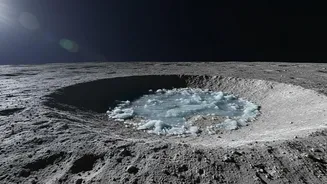
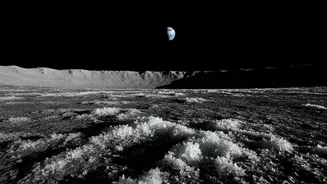
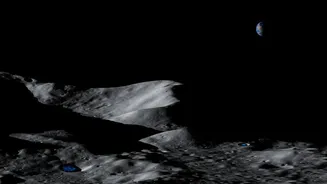
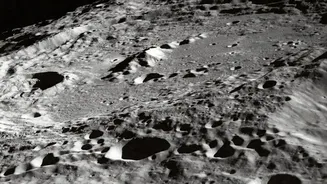
For decades, scientists have theorised that water ice could be trapped in the Moon's permanently shadowed craters, areas near the poles that never see sunlight and remain unimaginably cold. While previous missions confirmed the presence of hydrogen and even
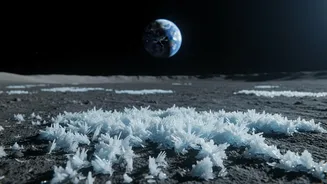
surface ice in these regions, the latest analysis of neutron spectrometer data provides a clearer picture of not just where the ice is, but how accessible it might be. The findings point to significant ice deposits mixed into the lunar soil, or regolith, within the top meter of the surface. This isn't a giant subterranean skating rink, but rather small chunks and crystals of ice mixed with dust, potentially in concentrations that make it a viable resource for future astronauts.
How to Find Water from Orbit
The key to this discovery lies in an instrument called a neutron spectrometer. The Moon's surface is constantly bombarded by high-energy cosmic rays from deep space. These rays smash into the lunar soil, sending particles, including neutrons, flying. A neutron spectrometer doesn't see water directly; instead, it counts these escaping neutrons and measures their energy. When neutrons collide with hydrogen atoms—the 'H' in H₂O—they lose a significant amount of energy in a way that's distinct and measurable. A lower count of medium-energy neutrons escaping from a particular area is a tell-tale sign that hydrogen is present just below the surface, acting like a sponge. By mapping these hydrogen-rich zones, scientists can create a reliable map of potential water ice deposits.
Why 'Accessible' is the Magic Word
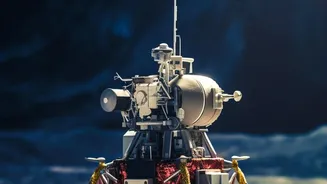
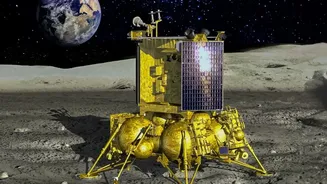
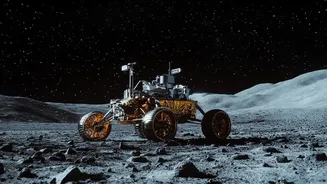
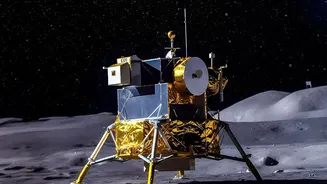
Finding water is one thing; being able to get to it is another. The new data is exciting because it suggests much of this ice is within the top meter of the lunar surface, potentially buried under just a thin layer of dry soil. This makes it far more accessible than ice buried many meters deep. Future robotic or crewed missions could potentially excavate this ice-rich regolith without needing heavy, complex deep-drilling equipment. This is a game-changer for mission planning, as it makes the prospect of 'living off the land' much more realistic. Missions like NASA's upcoming VIPER rover and the joint JAXA-ISRO LUPEX mission are being designed specifically to 'ground truth' these findings—to go to these locations, drill into the soil, and confirm the exact quantity and state of the ice.
Fueling the Future of Space Travel
The implications of accessible lunar water are enormous. Beyond the obvious use as drinking water for astronauts, H₂O is a fundamental resource for long-term survival. Through a process called electrolysis, electricity from solar panels can split water into its constituent parts: oxygen and hydrogen. The oxygen can be used for breathable air in a lunar habitat, while the liquid oxygen and liquid hydrogen are a potent rocket propellant. This means the Moon could one day become a refueling station for spacecraft. Instead of launching everything from Earth—a massively expensive undertaking due to our planet's strong gravity—missions heading to Mars or deeper into the solar system could launch with less fuel and top up at a lunar base. This vision is central to the long-term goals of programs like NASA's Artemis, which aims to establish a sustainable human presence on the Moon.