






Understanding Protein Quality
The foundation of muscle repair is a process called muscle protein synthesis (MPS), where your body uses amino acids from protein to rebuild damaged muscle fibres stronger than before. There are nine essential amino acids (EAAs) that your body cannot
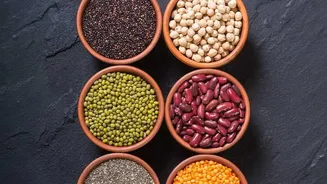
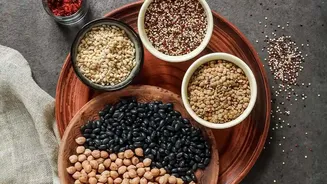
produce on its own and must get from food. Animal proteins are considered 'complete' because they contain all nine in sufficient amounts. While most individual plant sources are 'incomplete,' meaning they are low in one or two EAAs, this is easily overcome. For example, grains like rice are often low in the amino acid lysine, while legumes like beans and lentils are rich in it. This is why combining different plant sources is so effective.
The Power of Plant Protein Blends
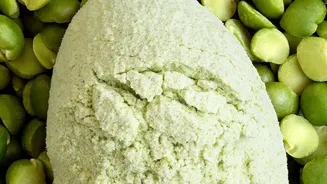
To ensure you get a full range of amino acids to rival animal protein, focus on variety. This doesn't mean you must eat different sources in the same mouthful. Your body creates an amino acid 'pool' from everything you eat throughout the day. However, for convenience, many high-quality plant protein formulations are designed as blends. Combining pea protein (which is high in lysine) with rice protein (which is high in methionine) creates a complete amino acid profile. Soy is one of the few plant sources that is naturally a complete protein on its own, making tofu, tempeh, and quality soy protein isolates excellent options.
Dialling in Your Dosage
For active individuals looking to build and repair muscle, protein needs are higher. Research suggests a target of 1.6 to 2.2 grams of protein per kilogram of body weight per day. For a 70kg person, this translates to roughly 110 to 154 grams daily. Spreading this intake throughout the day is more effective than consuming it all in one or two large meals. Aiming for 20-30 grams of protein per meal helps to consistently stimulate muscle protein synthesis. One amino acid, leucine, is particularly important as it acts as a primary trigger for this muscle-building process. Studies show that a dose of 2-3 grams of leucine is ideal to maximise the repair response. Formulations that blend different plant proteins or fortify them with extra leucine can be especially effective.
Timing for Maximum Impact
While the idea of a rigid 30-minute post-workout 'anabolic window' has been debated, consuming protein after exercise is certainly beneficial. It provides your body's 'construction crew' with the raw materials needed for repair right when they are in high demand. Having a protein-rich meal or shake within a couple of hours of finishing your training session is a solid strategy to kickstart recovery and can help reduce the intensity of muscle soreness. The most important factor, however, is meeting your total daily protein goal consistently.
Choosing a Safe Formulation
The word 'safely' is key. The supplement market is not always tightly regulated, and studies have raised concerns about contaminants in some protein powders. Plant-based powders, in particular, can sometimes have higher levels of heavy metals like lead or cadmium, which are absorbed by plants from the soil. To mitigate this risk, look for brands that engage in third-party testing for purity and contaminants. Reading labels is crucial. Opt for powders with minimal added sugars, artificial sweeteners, and unnecessary fillers. A simple, clean ingredient list from a reputable brand that is transparent about its sourcing and testing is your safest bet.