

A Tale of Two Monsoons
The Indian monsoon, which drenches most of the subcontinent from June to September, creates two completely opposite travel scenarios in Goa and Ladakh. Goa, on the western coast, experiences its peak rainy season. This means heavy downpours, high humidity,
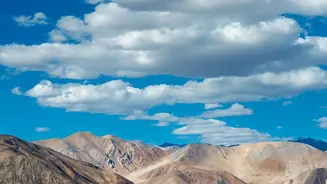
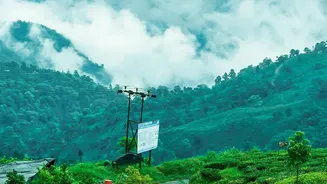
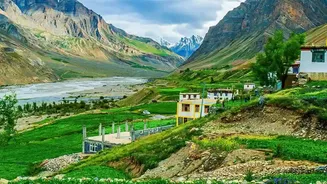
and a landscape transformed into a brilliant, lush green. In stark contrast, Ladakh, situated in the Himalayan rain shadow, remains largely dry. While the rest of India is getting soaked, Ladakh experiences its summer, characterized by sunny days, clear blue skies, and pleasant temperatures, making it the peak season for tourism.
Goa: A Quiet, Green Paradise
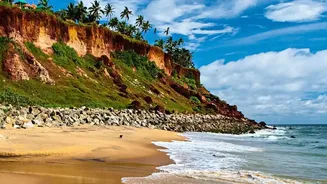
If your idea of a perfect holiday involves peace, quiet, and romance, monsoon Goa is an ideal choice. The usual crowds are gone, and accommodation prices can be significantly lower. The entire state is cloaked in a vibrant green, with waterfalls like Dudhsagar at their most majestic. However, the monsoon has its limitations. The sea is rough and unsafe for swimming, and most beach shacks and water sports operators are closed for the season. Travel during this period shifts away from the beaches and towards the hinterlands. It’s the perfect time for exploring spice plantations, taking heritage walks through the colourful, rain-washed lanes of Fontainhas, or simply relaxing in a villa with the sound of the rain outside.
Ladakh: High-Altitude Adventure Capital
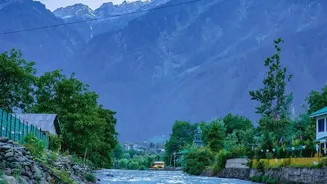
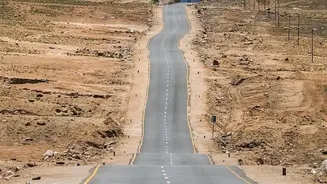
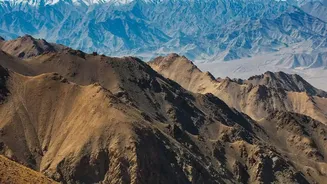
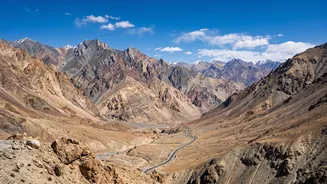
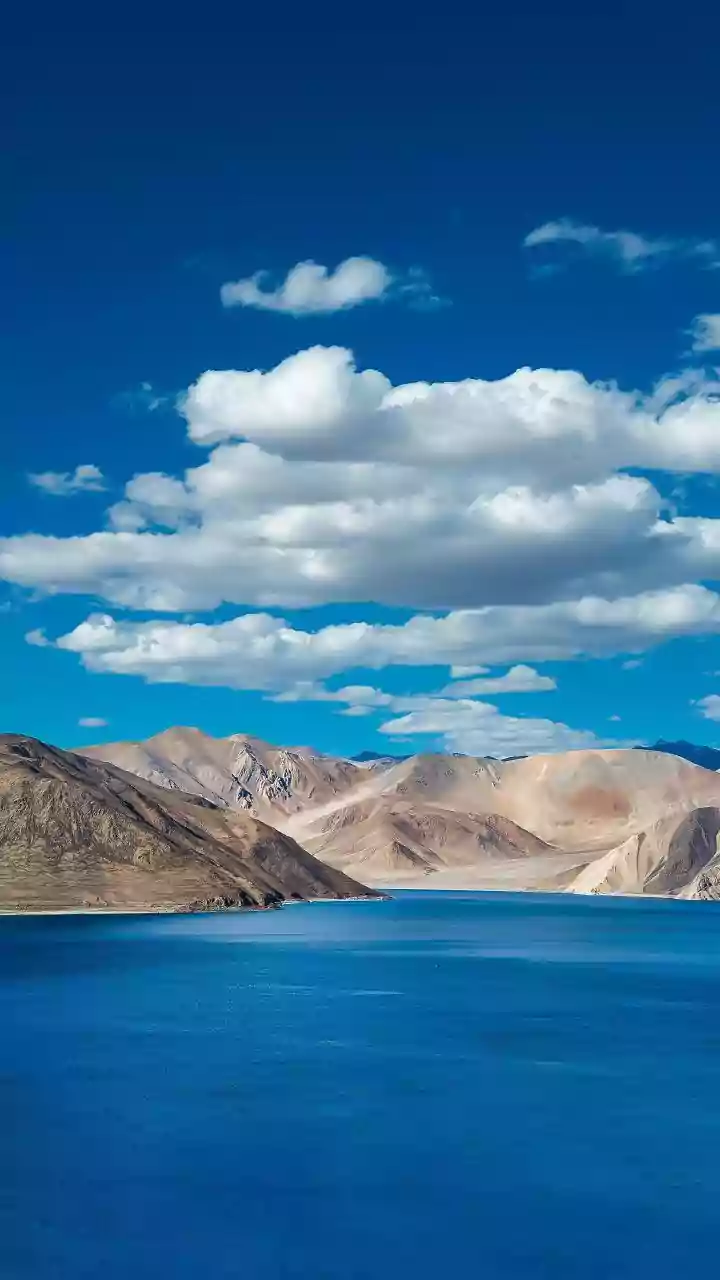
While Goa is in hibernation, Ladakh is wide awake and buzzing with activity. August is a prime month for visiting, with most internal roads and high passes like Khardung La open. This is the season for adventure. Travellers flock here for trekking through stunning landscapes like the Markha Valley, river rafting on the Zanskar and Indus rivers, and mountain biking on some of the world's highest motorable roads. All major sights, from the surreal blue of Pangong Lake to the sand dunes of Nubra Valley, are accessible and at their most vibrant. The weather is generally pleasant, with daytime temperatures in Leh hovering between 15°C and 25°C, though nights can be cold.
Activities: Tranquillity vs. Thrills
Your choice really boils down to the kind of activities you enjoy. In Goa, the pace is slower. Days are spent enjoying fresh seafood, visiting historic churches in Old Goa, exploring wildlife sanctuaries, or trying a river rafting trip on the Mhadei River. It's a trip focused on relaxation, nature, and culture. Ladakh, on the other hand, is for the active traveller. The itinerary is packed with sightseeing ancient monasteries perched on hilltops, camping by pristine high-altitude lakes like Tso Moriri, and acclimatizing to the thin mountain air before embarking on a challenging trek. It's an experience defined by dramatic landscapes and physical activity.
Crowds, Costs, and Accessibility
The monsoon season is the off-season for Goa, which means fewer tourists and better deals on flights and hotels. It offers a chance to see a more local, unhurried side of the state. Conversely, August is peak season in Ladakh. Expect more tourists, higher prices, and the need to book flights and accommodation well in advance. While Ladakh’s internal roads are open, getting there can be a challenge. The highways from Manali and Srinagar can be prone to landslides due to monsoon rains in those regions, making flying into Leh the more reliable option for travellers on a tight schedule.