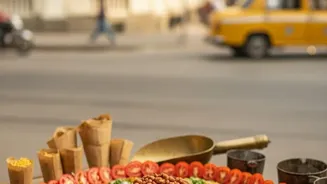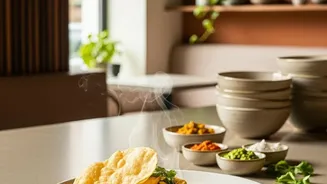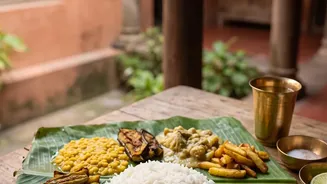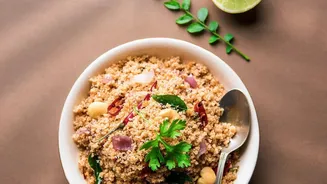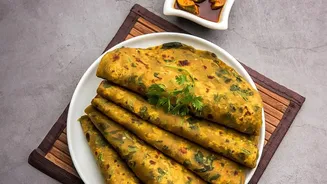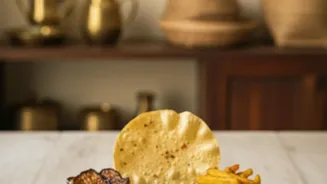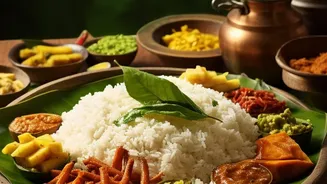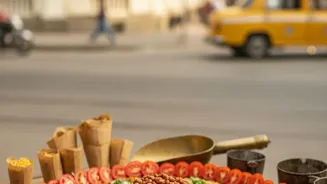


For years, Indian food in restaurants meant a familiar rotation of classics. Now, a new wave of chefs is digging deeper, bringing forgotten regional flavours from across the country into the spotlight of modern, fusion dining.
A Culinary Renaissance
For decades, the perception
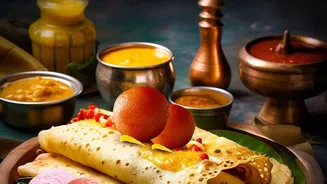
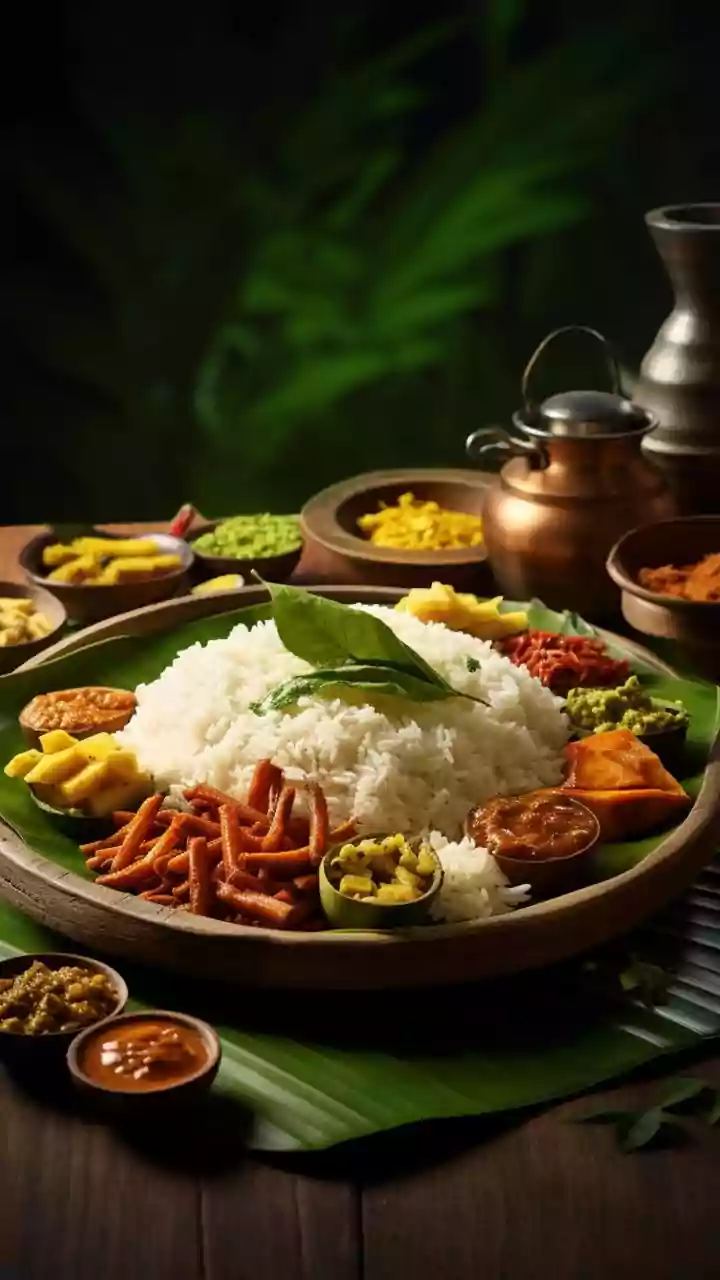
of 'Indian food' outside of home kitchens was largely monolithic, dominated by a handful of popular North Indian dishes. While delicious, this representation barely scratched the surface of the subcontinent's staggering culinary diversity. Today, a quiet revolution is underway. Chefs across the country are turning into culinary explorers and archivists, looking past the obvious to champion the unique flavours of India's myriad regions. This is not just about adding new dishes to the menu; it's a movement to celebrate hyper-local ingredients, forgotten recipes, and the stories embedded in them. Cuisines from Nagaland, Bihar, Odisha, and the Malabar coast are no longer just regional secrets but are becoming the stars of sophisticated, contemporary dining experiences.
Chefs as Cultural Storytellers
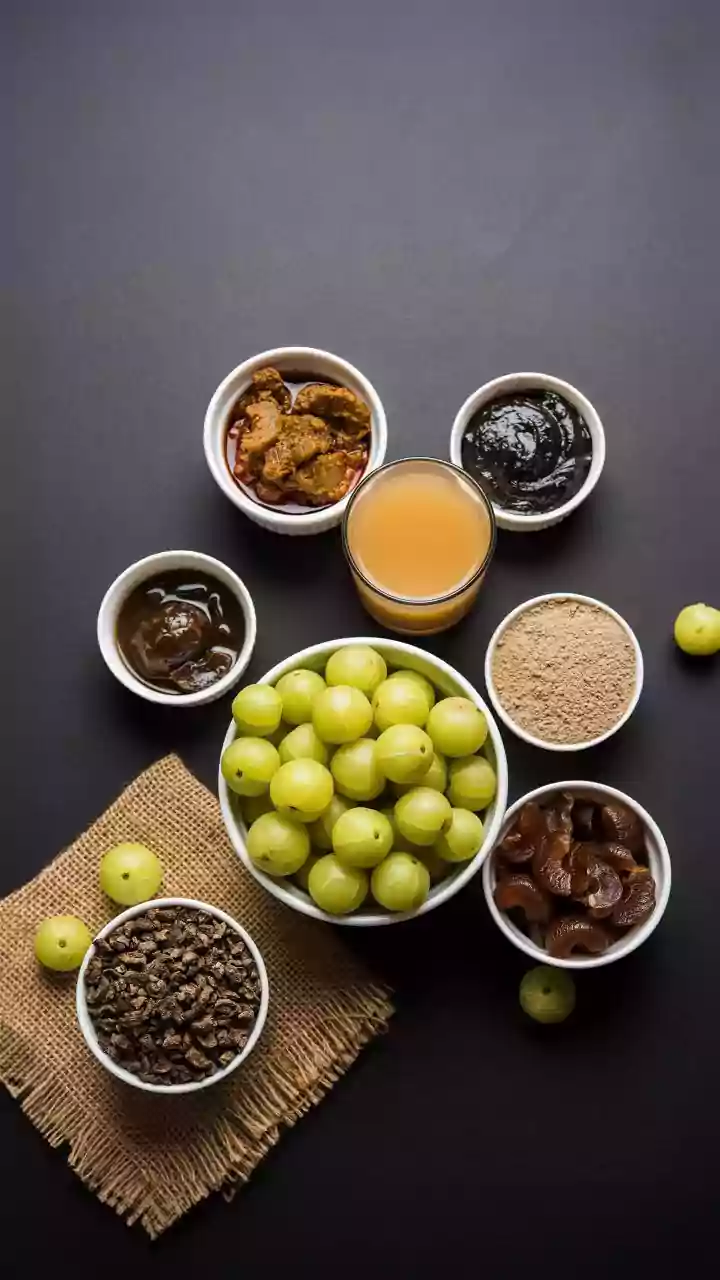
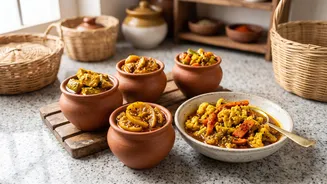
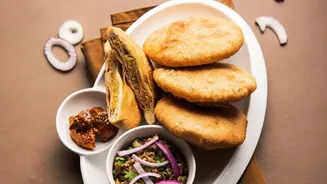
At the forefront of this trend are visionary chefs who are using their platforms to reframe the narrative of Indian food. They are travelling to remote villages, collaborating with home cooks, and sourcing ingredients directly from farmers to bring authenticity to their urban kitchens. Think of dishes that incorporate pungent Bhut Jolokia chillies from Nagaland, the earthy flavour of sattu from Bihar in a modern tart, or the subtle sweetness of the gondhoraj lime from Bengal in a delicate dessert. For example, chefs are re-imagining staples like litti chokha not just as a rustic meal but as an inspiration for gourmet creations. This ingredient-first approach means diners are now encountering, and appreciating, things like foraged greens, heirloom grains, and unique fermented products like axone (fermented soybean) that tell a story of a specific place and culture.
The Balancing Act of Fusion
Creating successful fusion cuisine is a delicate art. The goal isn't to create confusion but to forge a thoughtful connection between tradition and innovation. The best practitioners of this new wave of Indian cuisine understand that fusion works when it respects the soul of the original dish. It's about using a modern technique to enhance a familiar flavour or presenting a traditional dish in a new context without losing its identity. A deconstructed samosa might look intriguing, but it must still deliver the comforting, spicy satisfaction of the original. Chefs argue that this evolution is a natural progression for Indian food, which has historically absorbed influences from various cultures, from Persian inputs in Mughal kitchens to Portuguese touches in Goan vindaloo. The key is ensuring that the heritage is the hero, not just a footnote.
An Appetite for Authenticity
So, what's driving this change? Several factors are converging. On one hand, Indian diners have become more adventurous and curious. Their palates are evolving, and they are actively seeking new experiences that go beyond the tried-and-tested. There's a growing sense of cultural pride and a desire to connect with one's roots, which extends to the food on the plate. Furthermore, the rise of social media and food-focused travel has given unprecedented visibility to hyper_local food cultures, creating a demand for them in mainstream restaurants. People no longer just want to eat; they want to know the story behind their food—the region it comes from, the community that perfected it, and the ingredients that make it unique. This shift has created the perfect environment for chefs to push boundaries and for regional cuisines to finally get the national recognition they have always deserved.