







Why Sudden Rain Derails Travel Plans
Spontaneous trips are particularly vulnerable to sudden weather shifts. Unlike a well-planned holiday, there's often less room for error or changes. A sudden, heavy spell of rain can trigger a domino effect of disruptions. In major cities, it can lead
to immediate waterlogging, bringing road traffic to a standstill and making it impossible to get to the airport or railway station on time. [7, 12, 18] For those heading to hill stations, especially popular monsoon destinations in the Western Ghats or the Himalayas, heavy rainfall significantly increases the risk of landslides, which can block roads for days and leave travellers stranded. [5, 13] Air and rail travel are not immune either. Intense rain and thunderstorms can cause significant flight delays, diversions, or outright cancellations. [7] Similarly, railway tracks in low-lying areas can become submerged, forcing trains to be rerouted or halted. [14]
Beyond the Forecast: The Power of Real-Time Alerts
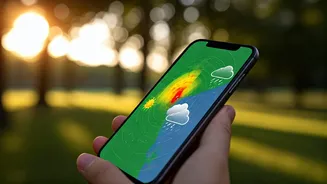
A standard weather forecast gives you a general idea of the day, but it often lacks the precision needed for travel. Real-time rain alerts, on the other hand, are a game-changer. [17] These services use near real-time data to warn you when rain is actively approaching your specific location, sometimes with minute-by-minute accuracy. [8, 10] This isn't about whether it might rain today; it's about knowing it will start raining where you are in the next 30 minutes. This level of precision allows you to make immediate, informed decisions: delay your departure by an hour to miss the worst of a downpour, choose an alternative route, or quickly find indoor shelter if you're already out exploring. [22] For a last-minute trip, this kind of dynamic information is invaluable for staying one step ahead of the weather.
Your Digital Umbrella: Essential Alert Apps for India
Having the right app on your phone is like carrying a digital umbrella. For travellers in India, a few options stand out for their reliability and hyper-local alerts. The government's official MAUSAM app, from the India Meteorological Department (IMD), provides forecasts, radar images, and warnings for the entire country. [8, 19] For minute-by-minute precipitation forecasts, AccuWeather's MinuteCast feature is highly regarded, telling you exactly when the rain will start and stop. [8, 10] Other reliable choices include The Weather Channel, which offers detailed forecasts and severe weather alerts, and Weather Underground, which uses a vast network of personal weather stations for incredibly detailed local data. [9] Skymet Weather is another excellent private forecaster focused on India. [9] Many of these apps also offer crucial warnings about lightning and wind speed, which are just as important for travel safety. [15]
Packing Smart for Unpredictable Weather
Technology is your first line of defence, but smart packing is a close second. When rain is a possibility, what you pack can make a huge difference. Prioritise lightweight, quick-drying clothes over heavy materials like denim, which can take forever to dry. [4, 6] A reliable waterproof jacket or poncho is non-negotiable. [5] For footwear, carry waterproof shoes or sandals with a good grip to navigate slippery surfaces, and always pack an extra pair. [3, 5] Equally important is protecting your electronics. Invest in waterproof bags or zip-lock pouches for your phone, passport, and chargers. [6] A power bank is also a wise addition, as power cuts can sometimes accompany severe weather. [2] By packing versatile, weather-appropriate gear, you ensure that even if you get caught in a shower, your comfort and essential documents remain secure.
Putting It All Together: A Flexible Mindset
Ultimately, the key to a successful last-minute trip during a rainy season is flexibility. [20] Use rain alerts to guide your plans, not dictate them. If you receive an alert for heavy rain in the afternoon, consider swapping your outdoor plans for a visit to a museum or a local market with covered stalls. [4] Always have a backup plan. Before you leave, identify a few indoor attractions or activities at your destination. [6] When booking, look for flexible options on hotels and transport where possible. Allowing for buffer days in your itinerary can also reduce stress, giving you extra time in case of significant delays. [3, 6] Spontaneity doesn't have to mean being unprepared; it means being ready to adapt.