



Why Varkala Has Become a Magnet
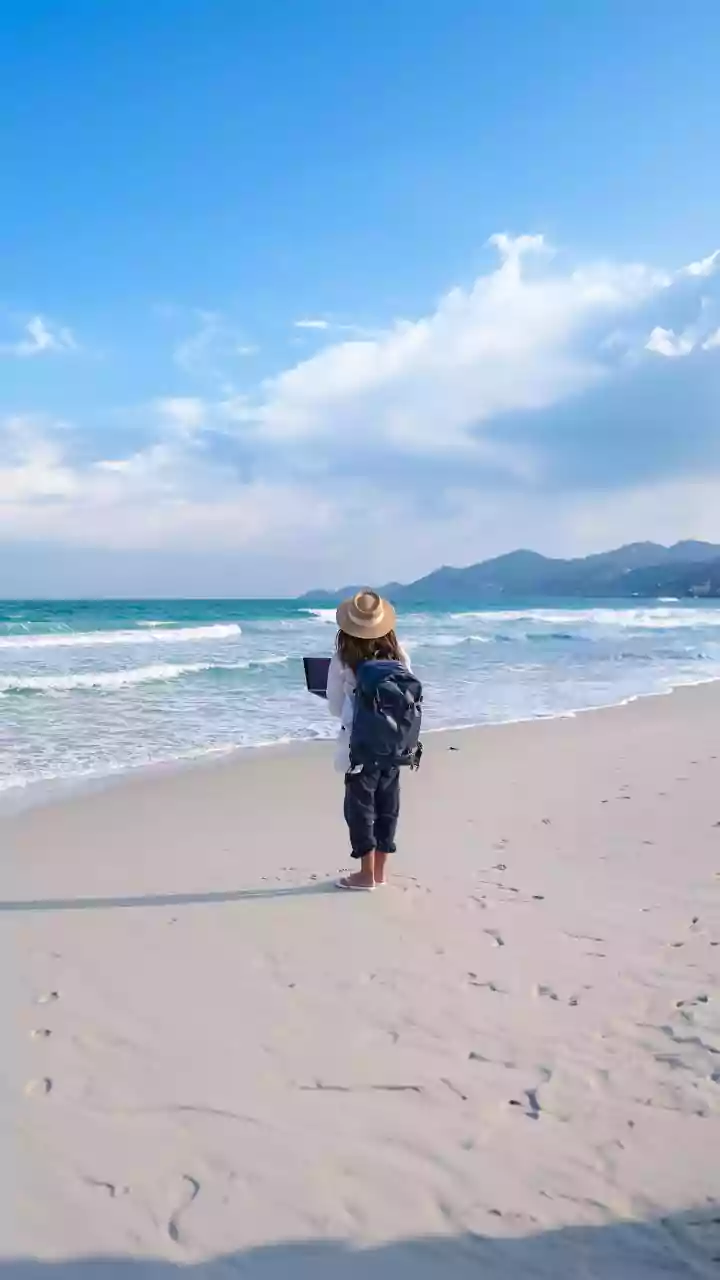
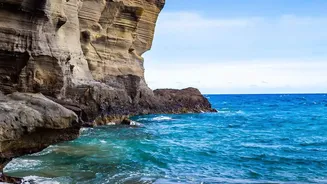
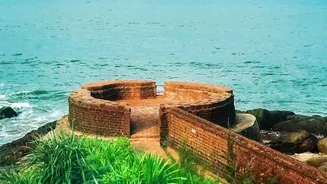
For years, Varkala has been a beloved spot on Kerala's tourist trail, famous for its dramatic red cliffs that hug the Arabian Sea. But recently, its appeal has shifted. Beyond the yoga retreats and backpacking hostels, it has quietly emerged as a haven
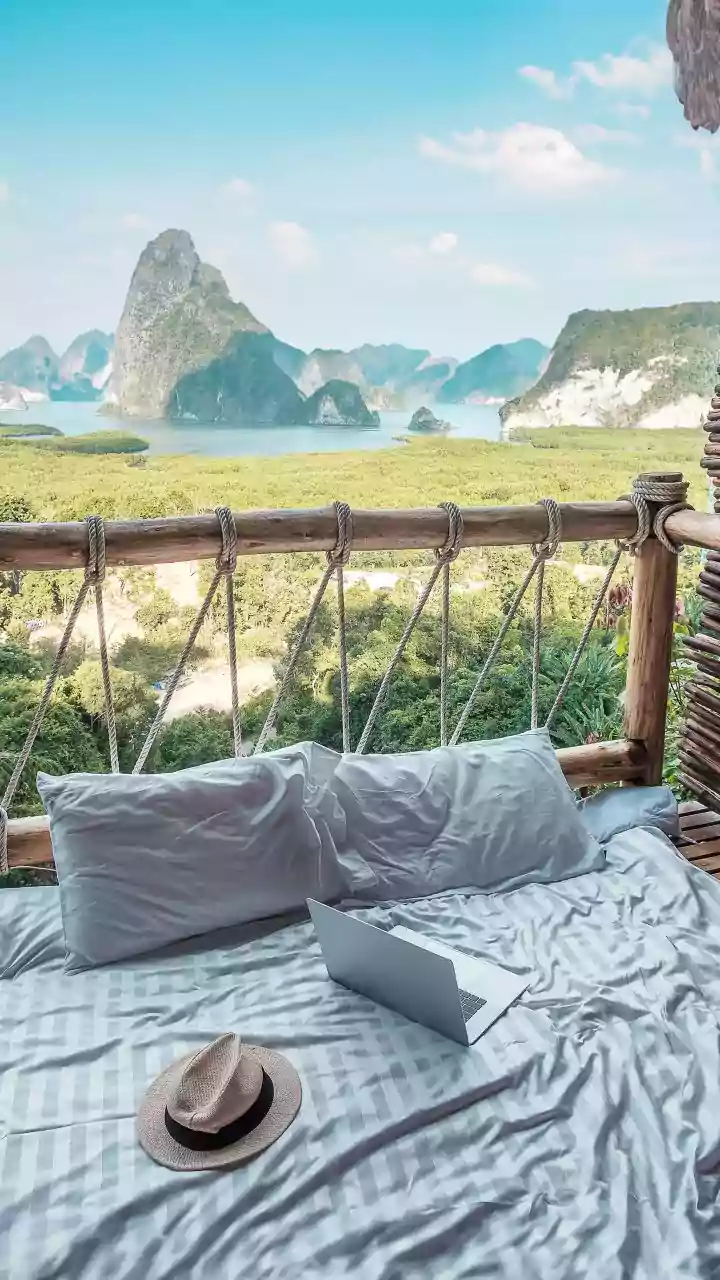
for remote workers. The town offers a unique blend of natural beauty, a relaxed pace of life, and a lower cost of living compared to metropolitan hubs. This combination is proving irresistible for writers, designers, developers, and other creatives who are no longer tethered to a physical office. The vibe is less about frantic sightseeing and more about settling into a sustainable rhythm of work and wellness.
Inside the New Co-Living Spaces
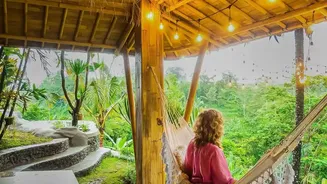
These are not just your average guesthouses. The new co-living hubs are specifically designed for the needs of a remote professional. At their core, they offer reliable Wi-Fi, often with power backups—a crucial feature in areas where connectivity can be unpredictable. Accommodation ranges from shared dorms to private AC rooms, catering to different budgets. The key feature is the integration of communal workspaces, quiet zones for focused tasks, and social areas like open kitchens or rooftop cafes. This setup allows residents to easily switch between productive work sessions and social interaction, fostering a sense of a shared journey.
The Allure of the 'Cheap' Package
The term 'cheap' in Varkala translates to exceptional value. While a week-long vacation can be costly, these hubs focus on monthly or long-stay packages that make an extended 'workation' financially viable. For a monthly cost that can range from ₹15,000 for a dorm bed to ₹45,000 for a private room, a digital nomad can cover their accommodation. Many of these packages bundle housing, high-speed internet, and sometimes even meals or access to workshops like surfing or yoga. This model simplifies logistics and budgeting, allowing residents to focus on their work and immerse themselves in the local culture without the constant financial pressure of daily travel expenses.
More Than a Desk with a View
The biggest draw for many is the built-in community. The transient nature of remote work can be isolating, but Varkala's co-living spaces are designed to combat this. They act as incubators for collaboration and friendship. It’s common to find a web developer brainstorming with a content creator over breakfast or a group heading out for a sunset surf session after logging off. These hubs frequently organize skill-sharing sessions, bonfires, and music jams, transforming a group of strangers into a supportive network. This social ecosystem is what elevates the experience from a simple work trip to a meaningful lifestyle choice.
The Reality of Remote Paradise
Of course, it's not always a perfect picture. The reality of working from a beach town comes with its own set of challenges. Internet speeds can fluctuate, especially during peak hours or bad weather. The monsoon season can limit outdoor activities, and the line between a holiday and a workday can become blurred, demanding self-discipline. However, for a growing number of creators, these trade-offs are minor. The appeal of a smaller, more genuine community and a slower, more mindful pace of life far outweighs the infrastructural imperfections. It’s a choice that prioritises experience and well-being over the flawless efficiency of a corporate office.