







The Science of Stickiness
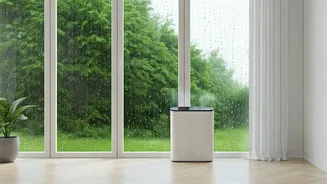
Ever wonder why 28°C during a dry summer feels more comfortable than 28°C during the monsoon? The answer is humidity. Your body’s primary cooling mechanism is sweating. As sweat evaporates from your skin, it takes heat with it. However, when the air is already
saturated with moisture — as it is during the monsoon — sweat can't evaporate effectively. This leaves you feeling sticky, damp, and often hotter than the actual temperature suggests. High humidity doesn't just affect comfort; it creates an ideal breeding ground for mould, mildew, and dust mites, which can trigger allergies and respiratory issues. Keeping indoor humidity levels between 40% and 60% is widely recommended for both comfort and health.
Why Your AC Isn't Always the Answer
Air conditioners are fantastic at cooling, and they do remove some moisture from the air as a byproduct of the cooling process. As warm, humid air passes over the AC's cold coils, water vapour condenses and is drained away. However, an AC's main job is to reach a set temperature. Once it hits that target, the compressor—the part doing the heavy lifting for both cooling and dehumidifying—often cycles off to save energy. The fan may continue to run, but the significant moisture removal stops. This is why a room can feel cool but still uncomfortably damp during the rains. Newer ACs with 'Dry' or smart humidity control modes are better, but they are often not as effective as a dedicated device.
Enter the Dehumidifier: The Monsoon Hero
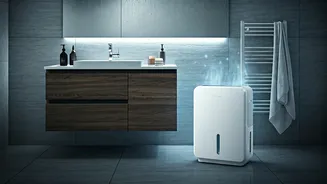
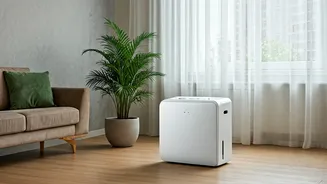
This is where a dehumidifier shines. Unlike an AC, which treats dehumidification as a secondary function, a dehumidifier’s sole purpose is to remove excess moisture from the air. It draws in damp air, passes it over cool coils to condense the water, and then often reheats the air slightly before releasing it back into the room. The result is drier, more comfortable air without a significant drop in temperature. This makes them incredibly efficient during the monsoon when you don't necessarily need intense cooling. Benefits include faster drying of laundry indoors, protection for wooden furniture and electronics from moisture damage, and prevention of musty odours and mould growth.
Budget-Friendly Humidity Hacks
You don't need to rush out and buy a new appliance to feel more comfortable. Several low-cost strategies can make a significant difference. First, improve ventilation. When it's not raining, open windows on opposite sides of your home to create cross-ventilation, which pushes stale, moist air out. Use exhaust fans in kitchens and bathrooms religiously to expel moisture from cooking and showers. You can also use natural desiccants. Bowls of rock salt or charcoal briquettes placed in closets and damp corners can absorb ambient moisture. Finally, avoid drying clothes in unventilated rooms, as this releases a large amount of water into the air.
Finding the Perfect Balance
For ultimate monsoon comfort, a combined approach often works best. You can run your air conditioner for a short period to bring the temperature down to a comfortable level. Once the room is cool, turn off the AC and switch on a dehumidifier to maintain a pleasant humidity level without over-cooling or wasting energy. This strategy keeps the air feeling fresh and crisp, prevents the clammy feeling of high humidity, and can be more energy-efficient in the long run. By focusing on moisture management, you create an indoor environment that is not just cool, but truly comfortable and healthy all season long.