


The Paw Patrol: A Daily Ritual
Your dog's paws are their primary point of contact with the world, and during monsoon, that world is often wet, muddy, and full of bacteria. Puddles and waterlogged streets can harbour harmful pathogens, including the bacteria responsible for leptospirosis,
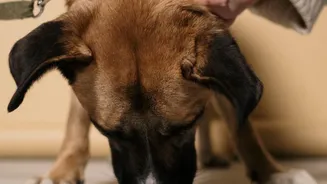
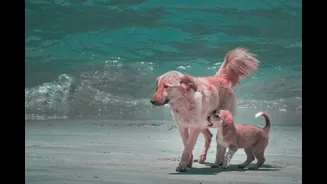
a serious disease. Trapped moisture between the paw pads creates an ideal environment for painful fungal and bacterial infections to develop. A simple, non-negotiable routine is essential: after every single walk, thoroughly clean and dry your dog's paws. A gentle rinse with lukewarm water or using a soft, damp cloth works well. Pay special attention to the areas between the toes and pads, drying them completely to prevent any moisture from lingering. This daily check is also the perfect time to look for any cuts, redness, or signs of irritation.
Grooming for Humidity
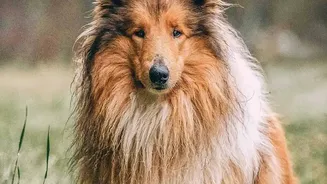
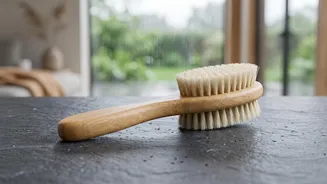
A dog's coat that remains damp is a breeding ground for problems. High humidity means fur takes much longer to air dry, creating the perfect warm, moist environment for fungal infections and bacterial skin issues like pyoderma (hot spots). While you might bathe your dog less frequently to avoid stripping natural skin oils, brushing becomes more critical. Regular brushing, ideally daily for long-haired breeds, helps remove dirt, prevent matting which traps moisture, and allows air to circulate. When you do bathe your dog, or after they get caught in a downpour, towel drying is not enough. A thorough blow-dry, especially for dogs with thick undercoats, is crucial to ensure their skin is completely dry. Also, don't forget the ears; moisture trapped in the ear canal, particularly in floppy-eared breeds, can lead to painful infections.
Winning the War on Pests
The warm, humid monsoon weather is paradise for ticks and fleas, causing their populations to explode. These parasites are more than just a nuisance; they are carriers of dangerous diseases like ehrlichiosis and babesiosis. A tick or flea bite can also break the skin, creating an entry point for secondary bacterial infections. Relying on shampoos alone is often not enough for prevention. It is vital to follow a consistent, vet-recommended tick and flea prevention schedule year-round, but especially during the monsoon. Modern options available in India include monthly spot-on treatments, long-lasting oral chewable tablets, and medicated collars. Oral tablets have become a popular and highly effective choice recommended by many vets as they are waterproof and provide systemic protection for one to three months. Always consult your veterinarian to choose the safest and most effective product for your dog's specific needs and lifestyle.
Diet, Hydration, and Health
Monsoon can also bring gastrointestinal issues. It is critical to prevent your dog from drinking from puddles or any stagnant water, which can be contaminated. Always provide fresh, clean drinking water, changing it at least twice a day as bacteria multiply faster in humidity. Some vets recommend avoiding raw food during this season due to a higher risk of bacterial contamination in the humid weather. A consistent, high-quality diet rich in omega fatty acids can help support skin health from the inside out. Your vet might also recommend a probiotic to help maintain digestive balance.
Beating the Rainy Day Blues
Fewer walks and less time outdoors can lead to bored, restless, and even destructive behaviour. It's important to substitute that physical exercise with indoor mental stimulation, which can be just as tiring for a dog. Engage your pet with activities like puzzle feeders, scent games where you hide treats around the house, or short training sessions to practice new tricks. Indoor games like a gentle game of tug-of-war or fetch in a safe space can also help burn off pent-up energy. Rotating their toys can keep things interesting and prevent boredom. Just 15-20 minutes of focused indoor play can make a huge difference in your dog's mood and behaviour on a rainy day.