

An Introduction to Your Options
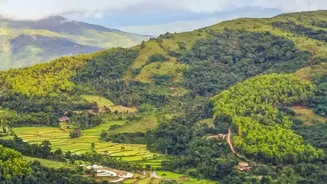
The Western Ghats, a UNESCO World Heritage Site, stretch across several states, offering a diverse range of landscapes and experiences. The headline mentions three iconic destinations: Mahabaleshwar and Satara in Maharashtra, and Coorg in Karnataka. While
a single trip covering all three would be a major expedition, they represent three distinct and fantastic ideas for separate post-monsoon drives. The period from September to March is generally considered the best time to visit, as the landscape is at its greenest and the weather is ideal for driving. Always check local road conditions before you start, as heavy rains can sometimes cause disruptions.
Mahabaleshwar: The Rejuvenated Hill Station
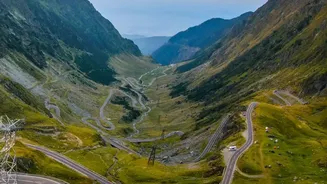
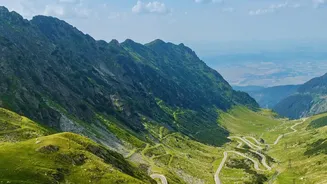
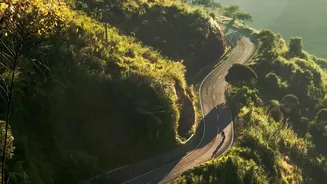
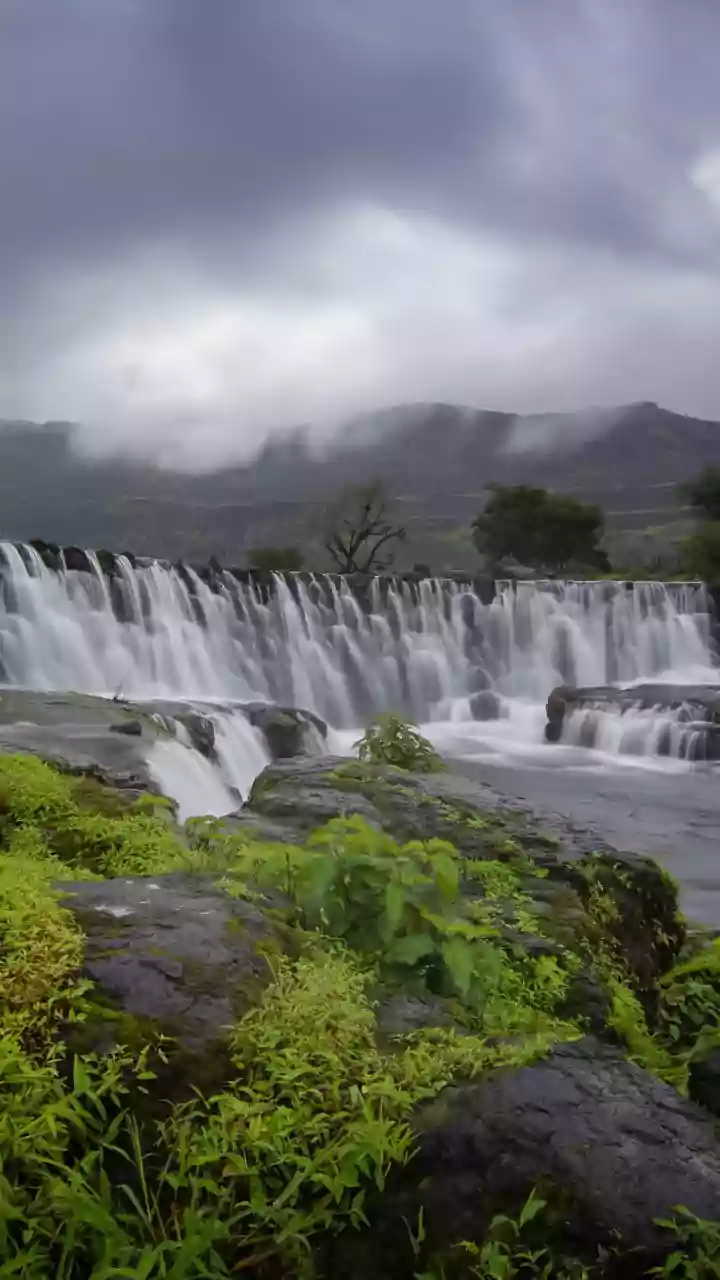
Mahabaleshwar, a classic hill station in Maharashtra's Satara district, takes on a magical quality after the rains. The post-monsoon months are perfect for visiting its famous viewpoints, which offer dramatic scenery as mist rolls through the valleys. A drive to Arthur's Seat, the “Queen of the Points,” provides a stunning view of the contrast between the Konkan and Deccan plateaus. Other must-visit spots include Elephant's Head Point, which resembles an elephant's trunk, and Wilson Point for its panoramic vistas. The ever-popular Venna Lake is particularly beautiful, with its calm waters reflecting the lush green hills, making it ideal for a boat ride. Lingmala and Chinaman's waterfalls, roaring after the monsoon, are also key attractions. The drive itself, through winding ghat roads, is an essential part of the experience.
Satara: Of Wildflowers and Waterfalls
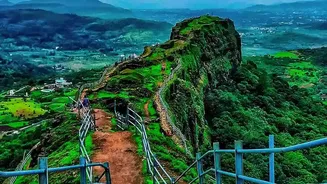
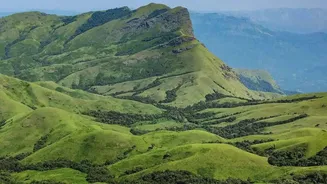
The Satara region offers a unique blend of nature and history, making it an exceptional post-monsoon destination. Its crown jewel is the Kaas Plateau, a high-altitude volcanic plateau that transforms into a carpet of wildflowers for a few weeks between August and October. The peak bloom is often in September, making it a timely trip. For 2026, the flowering season began on September 1, with the main bloom expected after September 15. Just a short drive away, you'll find the thunderous Thoseghar Waterfalls, which are at their most spectacular during and right after the monsoon. History buffs can explore the formidable Sajjangad Fort, the final resting place of Saint Ramdas, which offers breathtaking views of the surrounding area. For a serene detour, the nearby Kaas Lake and Bamnoli on the Shivsagar Lake backwaters offer boating and tranquility.
Coorg: Through the Heart of Coffee Country
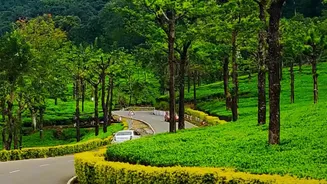
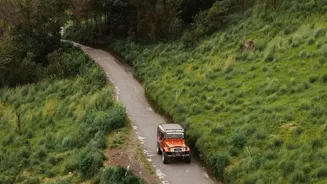
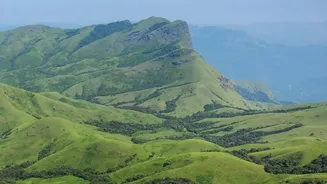
Further south in Karnataka, the district of Coorg (Kodagu) becomes a paradise of green after the rains. A road trip here takes you through rolling hills covered in coffee and spice plantations. The aroma of coffee fills the air as you navigate the winding roads. One of the top attractions is Abbey Falls, which turns into a powerful, roaring cascade during the monsoon and post-monsoon period. A walk across the hanging bridge opposite the falls offers a fantastic viewpoint. Another post-monsoon favourite is Iruppu Falls, located near the Brahmagiri Range. For panoramic views of the mist-covered valleys, a visit to Raja's Seat is a must; it was historically a favourite spot for the kings of Kodagu. For the more adventurous, a jeep ride to the Mandalpatti viewpoint offers one of the most photographed vistas in Coorg. A trip is incomplete without a guided walk through a spice or coffee plantation to understand the region's unique character.