




The Golden Ticket: Understanding the Artemis Accords
The foundation of this collaboration is the Artemis Accords, which India signed in June 2023, becoming the 27th signatory. These accords are not a binding treaty but a set of principles for safe, transparent, and sustainable civil space exploration, grounded
in the Outer Space Treaty of 1967. By signing, India aligned itself with a U.S.-led global framework for the next chapter of lunar exploration. This move marked a strategic shift from India's traditionally independent space program to one of global collaboration, ensuring it wouldn't be technologically isolated and that its systems would be compatible with global standards. This decision has already led to tangible cooperation, including training for Indian astronauts for missions to the International Space Station.
Destination Moon: NASA's Grand Vision
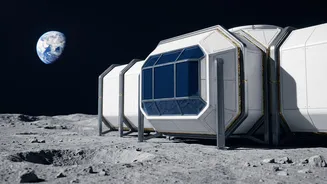
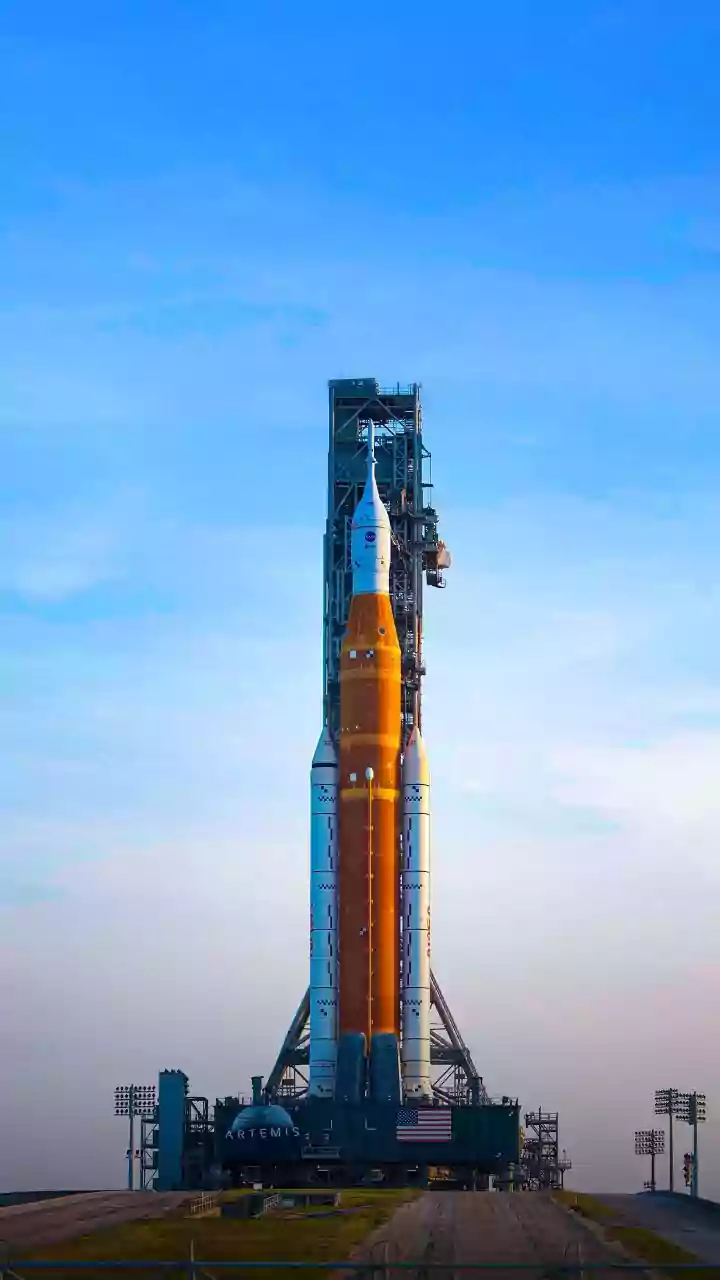
The ultimate goal of the Artemis program is not just to plant flags and leave footprints. NASA's vision is to establish a long-term, sustainable human presence on the Moon, including a permanent habitat known as the Artemis Base Camp, located near the lunar south pole. This region is of immense scientific interest due to its permanently shadowed craters, which are believed to hold substantial deposits of water ice. This lunar outpost would serve as a stepping stone for future crewed missions to Mars. The invitation extended to the Indian Space Research Organisation (ISRO) in August 2026 is a direct request to partner in building this sprawling, city-like base, transforming the relationship from one of shared principles to active participation in deep-space construction.
The Engineer's Roadmap: New Frontiers of Opportunity
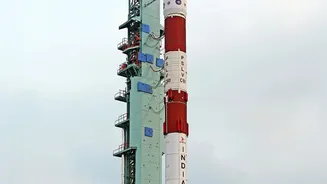
For India's engineers, this collaboration opens a universe of possibilities far beyond traditional aerospace roles. Building a moon base requires expertise across a vast spectrum of engineering disciplines. Opportunities will emerge in robotics for surface operations, advanced materials science for building habitats in extreme environments, and sophisticated communications systems for linking the Moon and Earth. There will be a demand for software engineers to develop autonomous systems, data scientists to analyze the wealth of new information, and propulsion engineers to design the next generation of spacecraft. India's reputation for cost-effective engineering, famously demonstrated by missions like Chandrayaan-3, makes it an attractive partner for NASA and creates a direct pathway for Indian talent to contribute to frontier technologies.
Beyond ISRO: Fueling a Private Space Boom
The impact extends well beyond government agencies. The Artemis partnership is a massive market signal to India's burgeoning private space sector. Since the sector was opened to private participation in 2020, the number of space-tech startups has surged to over 400. These companies are developing everything from launch vehicles and satellites to advanced propulsion systems. The collaboration with NASA creates opportunities for these startups to join the global supply chain for the lunar economy. They could provide components, services, and data for the Artemis missions, accelerating their growth and innovation. The Indian government projects the national space economy could grow from around $8.4 billion in 2023 to over $40 billion by the end of the decade, and this partnership is a critical catalyst.
Building the Future: Skills for the Lunar Economy
This opportunity also presents a call to action for India's education system. The future of space will demand a highly skilled workforce with expertise in fields like avionics, computer science, physics, and mathematics. The Artemis collaboration will likely spur curriculum updates and new research programs at Indian universities, better aligning them with the needs of the global space industry. For students and young professionals, this means the most realistic path to working on international space missions may now begin at home—by joining ISRO or one of the many private startups that will form the backbone of India's contribution to humanity's return to the Moon. This partnership is not just about exploring space; it is about building the knowledge, talent, and industrial base to secure India's place as a leading space-faring nation for generations to come.