




The 'Zoning' Philosophy
Packing for the monsoon isn't just about what you pack, but how you pack it. The core idea is to treat your bag like a well-organised house with designated areas. One zone is for anything damp, dripping, or dirty, while the other is a protected sanctuary
for everything that must stay dry. This prevents moisture from spreading and creating a mess. By thinking in zones from the moment you start packing, you eliminate the frantic search for a plastic bag after a sudden downpour. The goal is to make managing rain a calm, systematic process rather than a stressful reaction.
Establishing Your Wet Zone
Your wet zone is the designated quarantine area for damp items. This could be a specific waterproof compartment in your backpack or a separate, dedicated dry bag. These bags are designed to seal completely, trapping moisture inside. This zone is the immediate destination for a dripping umbrella, a folded raincoat, or shoes you were wearing in a downpour. Using a distinct, often brightly coloured dry bag for this purpose makes it easy to identify and access. The key is discipline: as soon as an item gets wet, it goes directly into the wet zone, protecting everything else in your main compartment.
Protecting the Dry Zone
The dry zone is where your most vulnerable and valuable items live. This includes electronics, important documents like your Aadhaar card or passport, any books, and your change of clean, dry clothes. To truly safeguard this zone, consider an extra layer of protection. Small waterproof pouches or even simple zip-top bags are perfect for phones, power banks, and wallets. For clothes, packing cubes are excellent for organisation, and some are even water-resistant. If your main bag has a built-in rain cover, use it. If not, they are a worthwhile investment. This redundant protection ensures that even if your outer bag gets soaked, the contents of your dry zone remain pristine.
The Shoe Conundrum
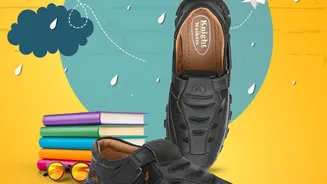
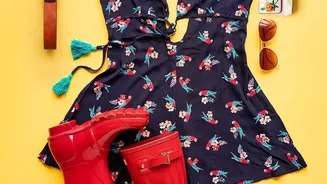
Shoes are often the biggest challenge in the rainy season. They get soaked, muddy, and can take forever to dry. The best strategy is to have at least two pairs. For daily wear, choose footwear made from rubber or plastic with a good grip to handle slippery surfaces. Avoid materials like canvas or heavy leather that absorb water. When one pair gets wet, you have a dry pair to change into. Your wet shoes should be wiped down and placed in your wet zone bag to avoid getting mud and moisture on your other belongings. A spare pair of dry socks is also non-negotiable; they can make a world of difference in comfort.
Choosing the Right Clothes
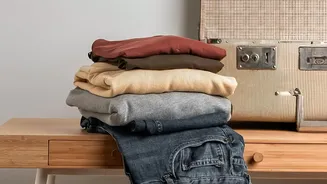
Fabric choice is critical for monsoon comfort. The golden rule is to avoid materials that absorb and hold water. Heavy cottons and denim are poor choices because they become heavy and take a very long time to dry. Instead, opt for lightweight, quick-drying synthetic fabrics like polyester, nylon, or blends. These materials repel moisture and will dry quickly even in humid conditions. If you prefer natural fabrics, lightweight cotton or linen blends can work on less rainy days, but synthetics are far more practical for heavy downpours. Darker colours are also a smart choice as they are more forgiving with splashes and mud stains.
Essential Rainy-Day Accessories
Beyond the main items, a few key accessories can greatly improve your rainy-season experience. A compact, quick-drying microfibre towel is invaluable; it's much more practical than a bulky cotton one. An insect repellent is also a wise addition, as mosquito populations often boom during the monsoon. Finally, never underestimate the utility of a few extra zip-top plastic bags. They are weightless and can be used for anything from protecting a snack to providing an emergency waterproof pouch for your phone.