




1. Choose Your Monsoon Champions
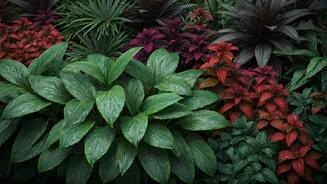
Not all plants enjoy a constant downpour. The key to a successful monsoon garden is selecting species that thrive in high humidity and wet conditions. For vegetables, this is the perfect time to sow seeds for bhindi (okra), gourds (lauki, turai), beans,
cucumbers, and leafy greens like spinach and amaranth. These plants love the moisture and grow vigorously during this season. If you're looking for colour, consider monsoon-friendly flowers like hibiscus, marigolds, zinnias, cosmos, and balsam (impatiens). These add a vibrant touch to your balcony or garden and are generally hardy enough to withstand the rains. Avoid planting succulents or other plants that are prone to root rot in consistently damp soil.
2. Prepare the Soil for Drainage
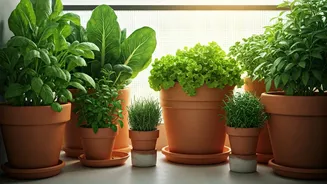
The biggest enemy of a monsoon garden is waterlogging. When soil becomes overly saturated, it suffocates plant roots, leading to rot and disease. To prevent this, ensure your pots and garden beds have excellent drainage. Before planting, mix your potting soil with sand and coco peat or perlite. This creates a lighter, more aerated medium that allows excess water to drain away freely. For potted plants, check that drainage holes are clear and unobstructed. You can even elevate your pots slightly on bricks or pot stands to help water escape and prevent pests from hiding underneath. For garden beds, consider creating raised beds, which naturally offer better drainage than ground-level planting.
3. Be Smart About Watering
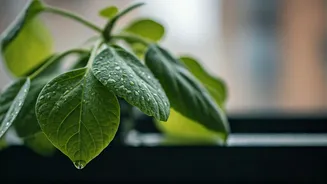
It might seem counterintuitive, but you still need to monitor your watering schedule during the monsoon. While the rain does much of the work, there can be dry spells between showers. The rule is simple: check the soil. Stick your finger about an inch into the soil; if it feels dry, it's time to water. If it's damp, let it be. Overwatering is a far greater risk than underwatering during this season. This is also an excellent time to practice rainwater harvesting. Place a few buckets or a large drum under a drainpipe to collect clean, nutrient-rich rainwater that your plants will love far more than treated tap water.
4. Prune and Provide Support
The humid, cloudy conditions of the monsoon encourage rapid, often leggy, growth. Regular pruning is essential to maintain the shape of your plants, improve air circulation, and prevent the spread of fungal diseases. Trim away any yellowing or dead leaves, as well as overcrowded branches. This allows sunlight and air to penetrate the plant's core, helping it dry out faster after a shower. For vining plants like gourds and cucumbers, or top-heavy plants like tomatoes, provide sturdy support. Stakes, trellises, or cages will prevent stems from breaking under the weight of rain and wind, keeping the fruit and foliage off the damp ground where they are more susceptible to rot and pests.
5. Watch for Pests and Fungi
Unfortunately, the monsoon is also a prime time for pests and fungal diseases. The dampness creates a perfect breeding ground for slugs, snails, and various fungal infections like powdery mildew. Be vigilant. Inspect your plants regularly, especially the undersides of leaves. You can create a simple barrier against slugs and snails by scattering crushed eggshells around the base of your plants. To combat fungal issues, ensure good air circulation through pruning. As a preventive measure, you can spray your plants every 10-15 days with a neem oil solution (a mix of neem oil, a mild liquid soap, and water). This organic pesticide and fungicide helps keep most common monsoon troubles at bay without harming the plant.