





Why the Monsoon is a Magical Time
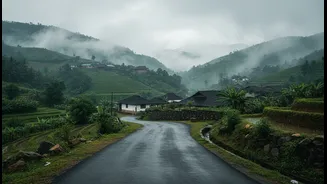
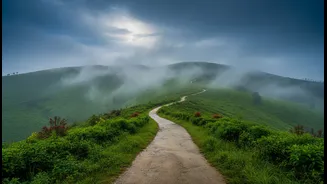
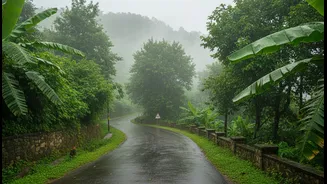
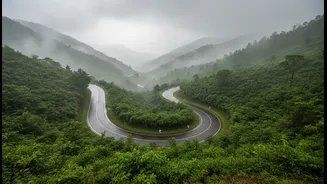
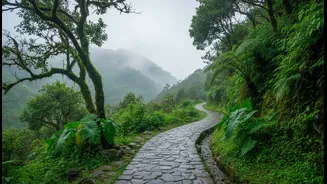
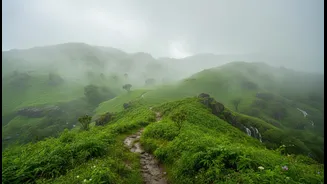
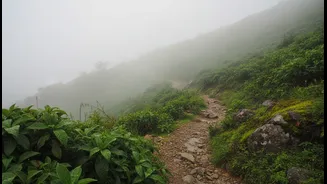
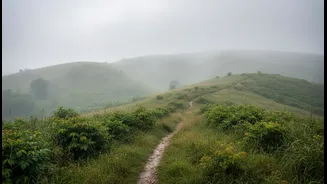
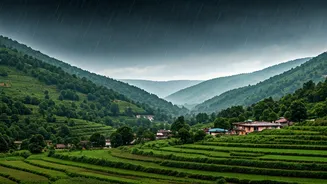
Many travellers pack away their bags at the first sign of rain, but in India’s hill stations, the monsoon is when the magic truly begins. The parched summer landscapes transform into a vibrant spectacle of lush, rain-washed greenery. Waterfalls that are
mere trickles in other seasons come roaring back to life, creating dramatic sights and sounds. The air is cool and fresh, carrying the scent of wet earth and pine. Perhaps one of the biggest advantages is the relative peace and quiet; with fewer tourists than in the peak summer or winter months, you can experience these destinations in a more intimate and unhurried way. It's a season that rewards those who choose to see the rain not as an obstacle, but as the main attraction.
The Art of Doing Nothing
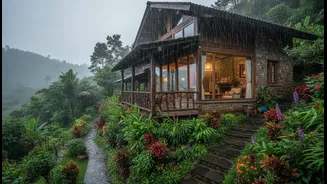
The ethos of a monsoon hill vacation is to slow down. This isn’t about a checklist of viewpoints and adventure sports; it's about the pleasure of inactivity. Imagine yourself curled up in a cosy homestay with a good book, the rhythmic drumming of rain on the roof your only soundtrack. It’s about long conversations over endless cups of locally grown tea or coffee as you watch clouds drift across the valleys. This season encourages a more mindful kind of travel, where the goal is not to see everything, but to fully experience the atmosphere. The joy is found in simple moments: savouring a plate of hot pakoras while it drizzles outside, taking a leisurely walk through a misty tea plantation, or simply watching the fog roll in and envelop the world in a soft, white blanket.
Choosing Your Monsoon Sanctuary
While many hill stations are beautiful during the rains, each offers a slightly different flavour. For lovers of sprawling, neon-green tea estates and misty mountains, Munnar in Kerala is a classic choice. Similarly, Coorg in Karnataka, often called the 'Scotland of India', becomes a paradise of coffee plantations, full-flowing waterfalls like Abbey Falls, and mist-covered hills. If you prefer classic colonial charm, places like Shimla and Kasauli in Himachal Pradesh offer charming walks along quiet, rain-slicked lanes. For those in Western India, Lonavala and Mahabaleshwar in Maharashtra provide a quick and refreshing escape, with stunning viewpoints and seasonal cascades. The key is to choose a destination that aligns with your idea of a perfect, slow-paced retreat.
A Practical Guide to Monsoon Travel
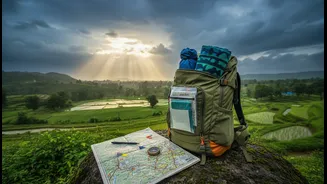
Travelling during the monsoon requires a little extra preparation but is immensely rewarding. Always check weather forecasts and road conditions before you travel, as heavy rains can sometimes cause landslides and delays in hilly areas. Pack wisely: a good raincoat or poncho is more practical than an umbrella, and waterproof footwear with a good grip is essential for slippery paths. Carry waterproof bags or zip-lock pouches to protect your electronics and important documents. It’s also a good idea to pack some basic medicines and a mosquito repellent. When booking accommodation, look for properties that offer great views from the room itself, so you can enjoy the scenery even during a downpour. Lastly, keep your itinerary flexible. The monsoon often decides the pace, and the best trips are those that allow for spontaneous, rain-filled detours and lazy days spent indoors.