



Beyond the Single-Colour Wall
For years, an accent wall meant choosing one bold paint colour and applying it to a single wall. The terracotta wash trend completely rethinks this approach. Instead of a uniform finish, it embraces texture, depth, and subtle variations in tone. Imagine
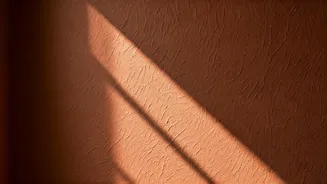
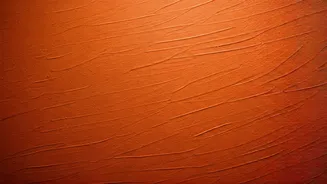
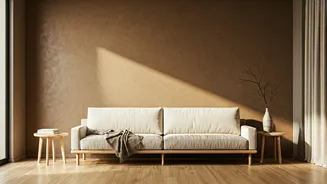
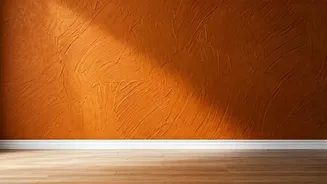
the walls of a Mediterranean villa, a Rajasthani haveli, or a sun-baked Italian farmhouse—that’s the feeling it evokes. This look is defined by its imperfect, slightly mottled appearance, which gives it a soft, chalky, and almost suede-like quality. The colour palette is key, leaning into warm, earthy hues like burnt orange, dusky rose, soft clay, and sandy beige. It's a finish that feels alive, changing with the light throughout the day and adding a layer of visual interest that a flat coat of paint simply cannot match. It transforms a wall from a static backdrop into a dynamic feature of the room.
The Appeal of Imperfect Beauty
So, why is this rustic, textured look gaining so much popularity in modern homes? It's part of a larger design movement away from cold, rigid minimalism and towards warmth, comfort, and authenticity. This trend taps into the 'wabi-sabi' philosophy—the Japanese art of finding beauty in imperfection. A perfectly smooth, flawless wall can sometimes feel sterile and impersonal. In contrast, a terracotta-washed wall has character and a story. It feels handcrafted and unique. This aesthetic also connects with a growing desire for natural and sustainable materials in our living spaces. The earthy tones and organic texture help bring the outdoors in, creating a serene, grounding atmosphere that promotes a sense of well-being. It’s a gentle rebellion against the mass-produced, and a celebration of a more personal, lived-in style that feels both timeless and deeply modern.
Getting the Look: From Paint to Plaster
Achieving this organic look can range from a simple weekend project to a specialised professional job, depending on the finish you desire. The most accessible method is using a colour-washing or rag-rolling technique with standard paint. This involves applying a lighter base coat and then layering a slightly darker, diluted glaze on top, using a rag or special brush to create a mottled, textured effect. For a more authentic and deeply textured finish, limewash is an excellent option. Made from slaked lime and natural pigments, it penetrates the surface and cures to a beautiful, chalky finish with subtle tonal shifts. It's a natural, breathable paint, but its application requires a bit more technique than regular emulsion. At the higher end is Venetian plaster, a putty made from limestone and marble dust. Applied in thin, multiple layers and then burnished, it creates a stunningly smooth surface with the illusion of great depth and movement. Given the skill required, Venetian plaster is almost always a job for a seasoned professional.
Styling Your Terracotta Wall
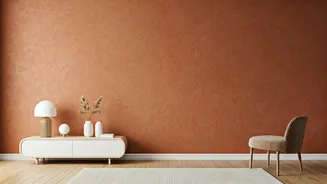
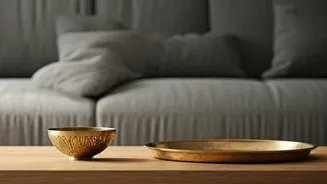
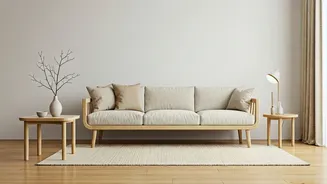
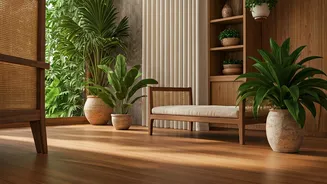
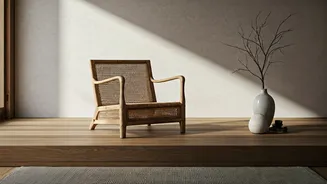
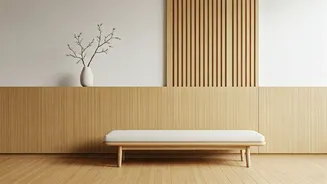
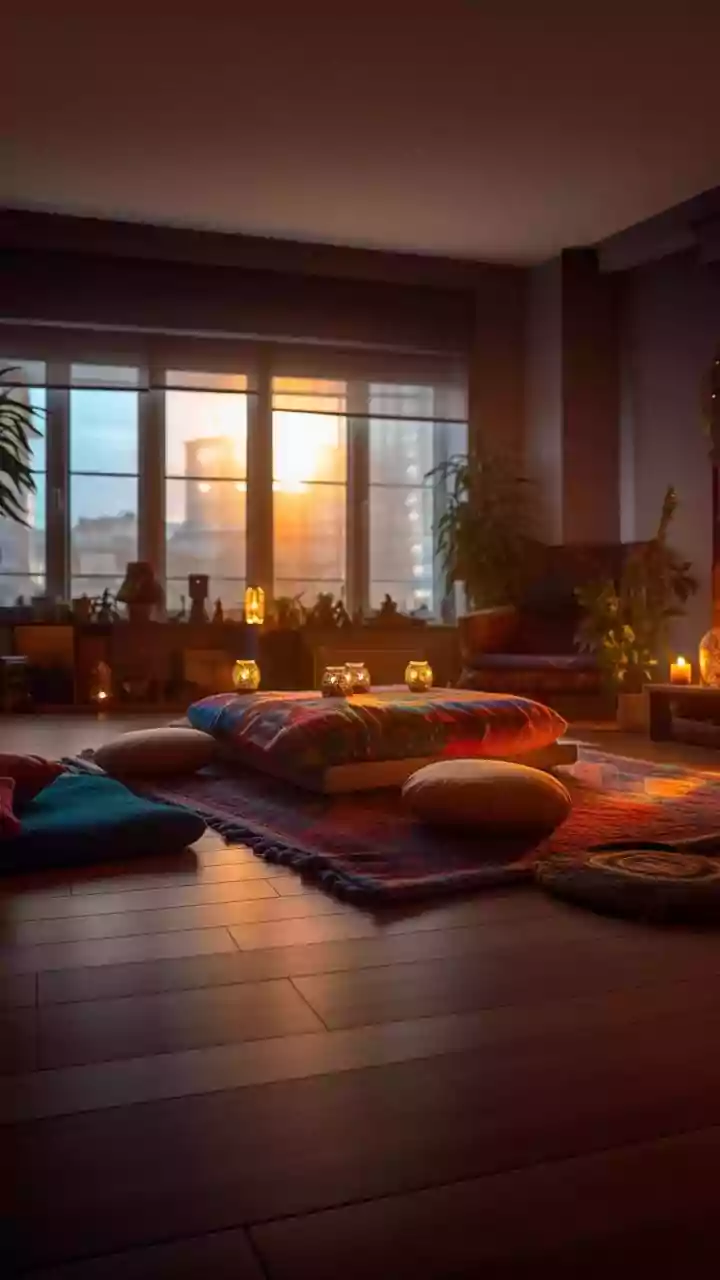
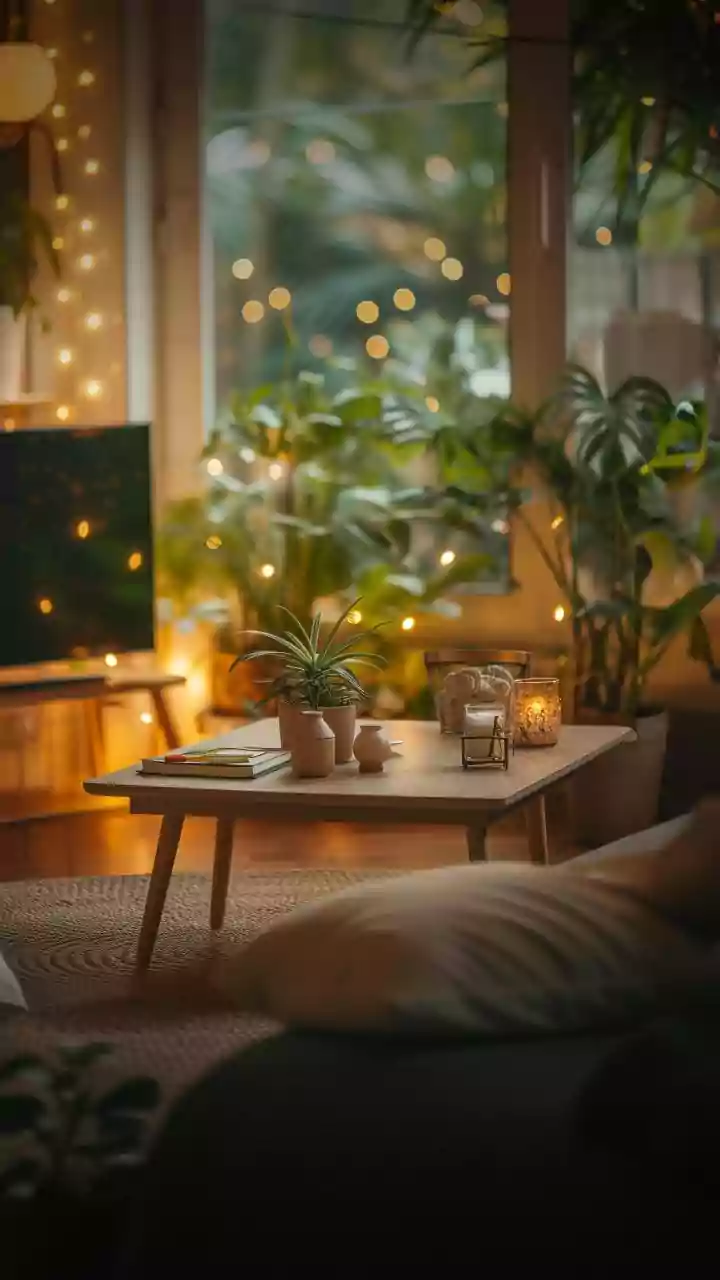
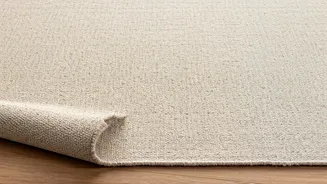
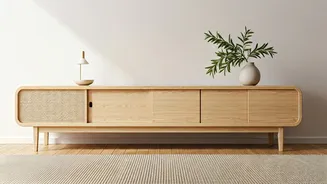
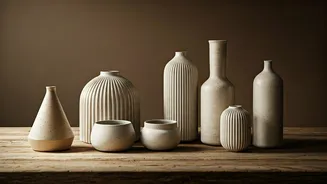
A terracotta-washed accent wall is a strong statement, but it’s surprisingly versatile. To enhance its earthy vibe, pair it with natural materials. Think furniture made of light wood, cane, or rattan. Textiles in linen, jute, and raw cotton will complement the wall's texture beautifully. Creamy whites, off-whites, and soft greys make for a classic and calming colour palette, allowing the accent wall to be the hero. For a bolder look, consider pairing it with deep greens or moody blues to create a rich, dramatic contrast. This style works wonderfully in a variety of spaces. In a living room, it can create a warm, inviting focal point behind a sofa. In a bedroom, it lends a cosy, sanctuary-like feel. It can even transform a simple entryway or a dining nook into a space with immense character and warmth. Don’t forget to add plenty of plants; the lush green foliage looks stunning against the warm, earthy backdrop.