






Why the Monsoon is So Dangerous
For stray cats, the monsoon isn't just a bit of bad weather; it's a fight for survival. Constant dampness and cold can lead to hypothermia, especially in kittens and older cats whose bodies can't regulate temperature effectively. Their fur, when soaked,
loses its insulating properties, leaving them vulnerable. Furthermore, the rains bring a host of diseases. Fungal and bacterial infections thrive in the damp conditions, leading to skin problems, respiratory infections like cat flu, and other illnesses. Finding dry, safe places to rest becomes nearly impossible, forcing them to hide under cars or in other dangerous spots. Food sources also become scarce as their usual scavenging spots are washed out and the people who feed them are kept indoors by the weather.
The Cardboard Haven: A Simple Lifeline
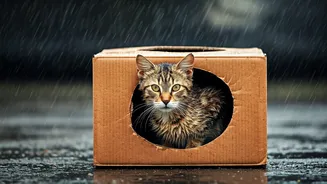
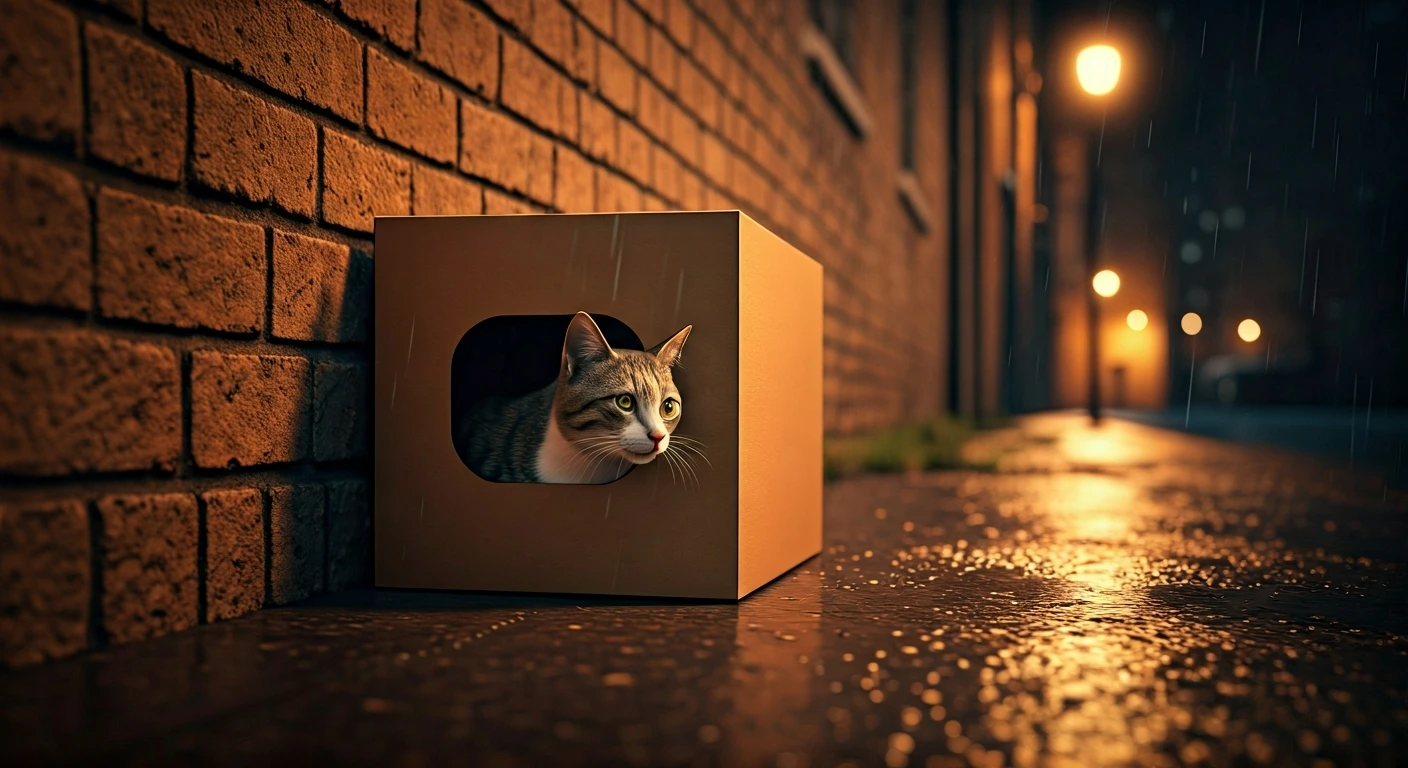
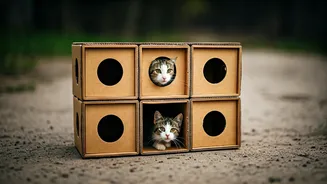
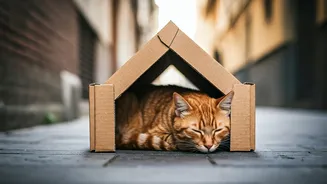
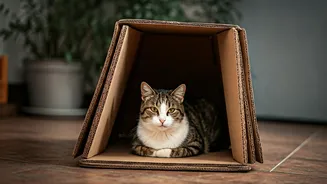
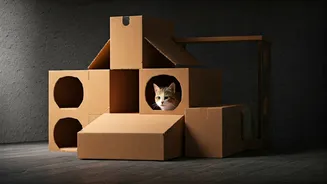
In response to this annual crisis, compassionate citizens across India are turning to a humble material: the cardboard box. What might look like waste is being transformed into temporary, life-saving shelters. These 'cardboard havens' are easy to source, simple to construct, and provide a critical dry space for a cat to escape the worst of the downpour. They offer just enough protection to allow a cat to dry off, conserve body heat, and rest without the immediate threat of getting soaked or falling ill. It’s a powerful example of 'jugaad' innovation being applied to animal welfare, proving that you don’t need expensive materials to make a significant difference.
How to Build a Monsoon-Proof Shelter
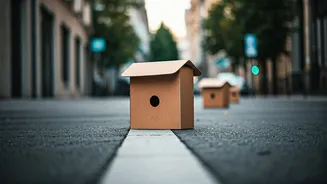
Creating a safe cat shelter is easier than you think. Start with a sturdy cardboard box, large enough for one or two cats to curl up in, but not so large that it can't retain body heat. The most crucial step is waterproofing. Wrap the entire box in a few layers of thick plastic sheeting or a large garbage bag, securing it tightly with tape. This will prevent the cardboard from becoming soggy and collapsing. Cut a small entrance hole—just big enough for a cat to enter, around 6 inches in diameter. A smaller entrance helps keep heat in and larger animals out. Finally, line the inside with materials that don't hold moisture, like straw or shredded newspaper packed loosely. Avoid towels or blankets, as they can get wet and actually draw heat away from the cat's body.
The Right Place Matters
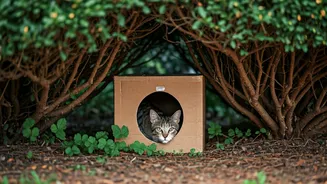
Where you place the shelter is as important as how you build it. Look for a quiet, slightly elevated spot to prevent water from pooling at the entrance. Under an awning, in a covered parking area (away from cars), or on a porch are good options. Try to position the entrance away from the direct path of wind and rain. It’s also a good idea to weigh the shelter down with a brick or a heavy stone on top to prevent it from being blown away in strong winds. If you live in a housing society, consider speaking to your neighbours or the Resident Welfare Association (RWA) first. Explaining your intentions can build support and prevent misunderstandings, ensuring the shelter can remain in place without issue.
Beyond the Box: Other Ways to Help
Building a shelter is a fantastic first step, but there are other ways to support stray cats during the rains. If you can, provide high-protein dry food. Wet food can spoil quickly in the humidity. Always leave a bowl of fresh, clean drinking water, as rainwater collected in puddles can be contaminated. If you notice a cat that seems sick, injured, or in distress, contact a local animal welfare NGO or your city’s animal rescue helpline. They are equipped to handle emergencies and can provide necessary medical care. Your vigilance can be the difference between life and death for a struggling animal.