






The Daily Kitchen Dilemma
For generations, the Indian kitchen has been the heart of the home, a place of tradition, flavour, and immense creativity. But in today's fast-paced world, it can also be a source of daily stress. Juggling work, family, and differing dietary needs can turn
the joy of cooking into a chore. The mental load of deciding what to cook three times a day, ensuring meals are healthy, catering to a vegetarian spouse or a child with allergies, and using up ingredients before they spoil is a significant challenge for the modern home cook.
Enter the AI Sous-Chef
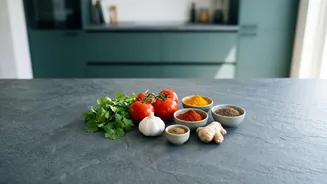
This is where a surprising new kitchen assistant is making its debut: artificial intelligence. While AI might sound like something from a sci-fi movie, it's becoming a practical tool for meal planning. This isn't about robots cooking dinner. Instead, home cooks are using AI-powered apps and chatbots like ChatGPT to bring order to their culinary chaos. By inputting preferences, available ingredients, and dietary restrictions, they can receive instant meal suggestions, weekly plans, and even detailed recipes. It's like having a personal nutritionist and a recipe book that understands your specific needs.
Customised for the Indian Palate
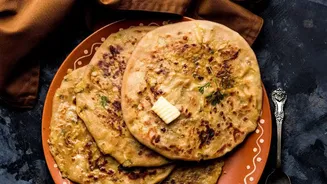
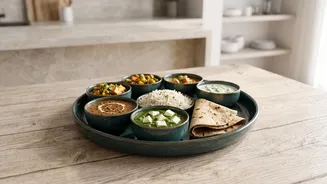
Early recipe apps often failed Indian users because they were built for Western palates, suggesting quinoa bowls and kale salads. The new wave of AI tools is different. Developers have created platforms specifically designed for the complexities of Indian cuisine. These apps recognize regional dishes from Punjabi to Keralan, understand portion sizes like a 'katori' of dal, and can generate plans for specific dietary needs, such as Jain or festive menus. Some can even generate a recipe for 'Chettinad-style' paneer or a 'street food style' snack based on what's in your fridge. This level of customisation makes AI a genuinely useful tool for the diverse Indian kitchen.
More Than Just Recipes
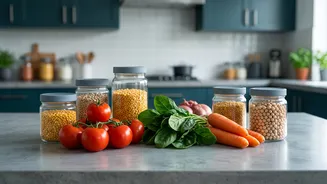
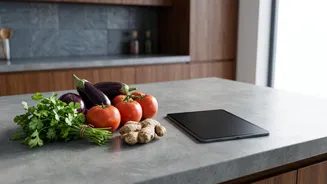
The benefits of AI in the kitchen go far beyond simply finding a new chicken curry recipe. One of the most significant advantages is the potential to reduce food waste, a major issue in India. Apps can generate meal ideas based on a photo of your vegetable drawer, ensuring you use what you have before it spoils. They create automated grocery lists based on your weekly plan, preventing over-buying and impulse purchases. For families managing health conditions like diabetes or PCOD, AI can create tailored, nutritionally balanced meal plans that still incorporate familiar, home-style Indian food. This transforms the AI from a simple recipe finder into a comprehensive kitchen management tool.
Is the Human Touch Lost?
A valid concern is whether technology will strip away the soul of home cooking—the passed-down recipes and the intuitive 'andaaz' (estimation) that defines so much of Indian food. However, users see these tools not as a replacement, but as an assistant. The AI handles the tedious planning, freeing up the cook's time and mental energy to focus on the creative aspects of cooking. It can spark inspiration for using a familiar vegetable in a new way or introduce a dish from another region of India. The final dish is still made with the cook's own hands and love. The technology simply provides the roadmap, while the cook remains firmly in the driver's seat.