


Respect the Altitude: Acclimatization is Key
The biggest mistake first-time travellers make is rushing their ascent. Acute Mountain Sickness (AMS) is a serious risk in Spiti, where Kaza sits at roughly 12,000 feet. Symptoms can range from headaches and nausea to more severe, life-threatening conditions.
The golden rule is to acclimatize properly. If travelling from Shimla, plan an overnight stay in a lower-altitude town like Kalpa or Reckong Peo before proceeding to Kaza. This gradual ascent gives your body crucial time to adjust to the lower oxygen levels. Stay hydrated by drinking at least four to five litres of water daily, avoid alcohol for the first few days, and listen to your body—if you feel unwell, rest until symptoms subside before ascending further.
Vehicle Readiness: Your Lifeline on Remote Roads
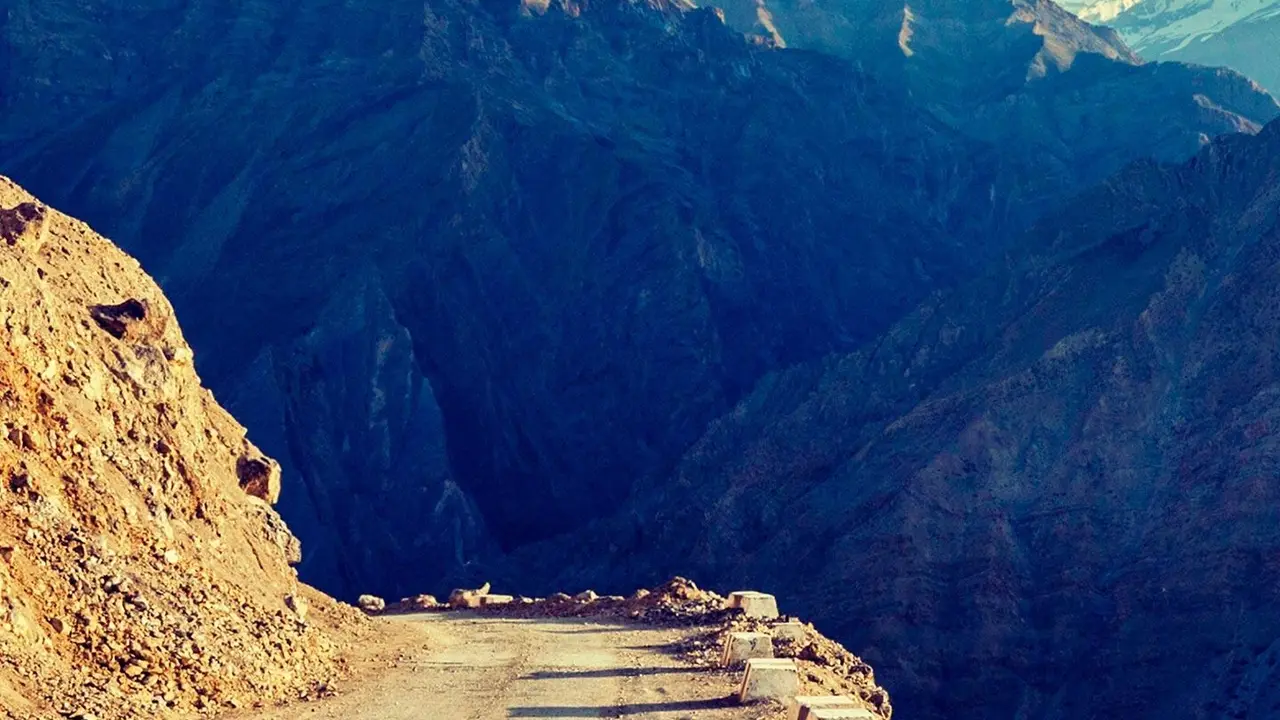
Your vehicle is your most important partner on this journey. Before you even think of hitting the highway, give your car or bike a thorough service. Pay special attention to tyres, brakes, clutch, and coolant levels. Given the rough terrain, a vehicle with high ground clearance, like an SUV, is ideal, though not strictly mandatory if you're an experienced driver. Essential gear to carry includes a complete toolkit, a reliable air compressor, a puncture repair kit, and jump-start cables. The roads, especially on the Manali-Kaza stretch via Kunzum Pass, are notorious for being unforgiving. A well-prepared vehicle can be the difference between a minor inconvenience and a major emergency.
Navigating High Passes: Kunzum and Rohtang
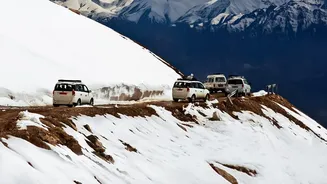
Autumn brings a specific danger to high-altitude passes like Kunzum La (over 14,900 ft) and Rohtang Pass (over 13,000 ft): black ice. As temperatures drop below freezing overnight, moisture on the road can form a nearly invisible layer of ice, making surfaces extremely slippery. This is especially true for early morning or late evening drives. Always plan to start your journey early and finish well before dusk. The Manali-Kaza route, which includes Kunzum Pass, becomes particularly risky from mid-October onwards and often closes. The Shimla-Kaza route is generally considered safer and remains open longer into the season. Before attempting to cross any high pass, check the latest road status with local authorities or taxi drivers in Kaza.
Pack Smart: Layers, Medicines, and Cash
Packing for Spiti in autumn is all about layering. Daytime can be sunny and pleasant, but temperatures plummet dramatically after sunset, often falling below zero. Your packing list must include thermal inners, a fleece jacket, and a windproof/waterproof outer shell. Don't forget woollen socks, gloves, a warm cap, and sturdy, waterproof trekking shoes. Beyond clothing, carry a comprehensive medical kit with medications for headache, fever, and AMS (consult a doctor about Diamox beforehand). Also, pack sunscreen (SPF 50+), sunglasses, and lip balm, as the UV rays at high altitude are harsh. ATMs are scarce and unreliable, so carry enough cash for your entire trip.
On the Road: Itinerary and Emergency Planning
Patience is a virtue in Spiti. Rushing the itinerary is a common cause of problems. Build at least one or two buffer days into your plan to account for unexpected delays like roadblocks or bad weather. Never drive at night; the narrow, winding roads are treacherous in the dark. Since mobile connectivity is patchy at best (only BSNL and sometimes Jio work in limited areas), download offline maps of the region before you lose signal. Always inform someone—your hotel manager or a family member—of your daily route. In case of an emergency, local support is often your first and most reliable point of contact.