

The End of an Instant Era?
For generations, instant coffee has been the undisputed king of Indian kitchens. Brands like Nescafé and Bru built a nationwide habit through convenience and affordability. This dominance, however, is now being challenged by a significant demographic:
millennials and Gen Z. This group, comprising nearly 65% of specialty coffee consumers in India, is increasingly turning its back on mass-produced granules. They are seeking something more than just a quick caffeine fix; they are looking for an experience, a story, and a connection to what they consume. This quest for authenticity is paving the way for a new coffee culture, one that values quality and origin above all else.
So, What Is Single-Origin Coffee?
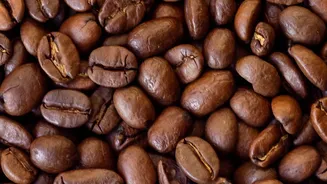
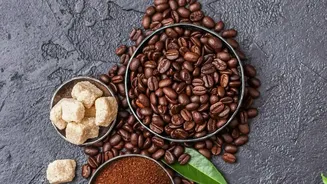
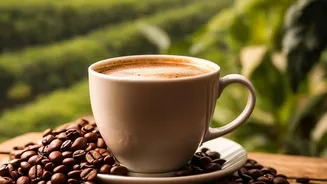
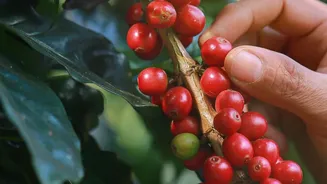
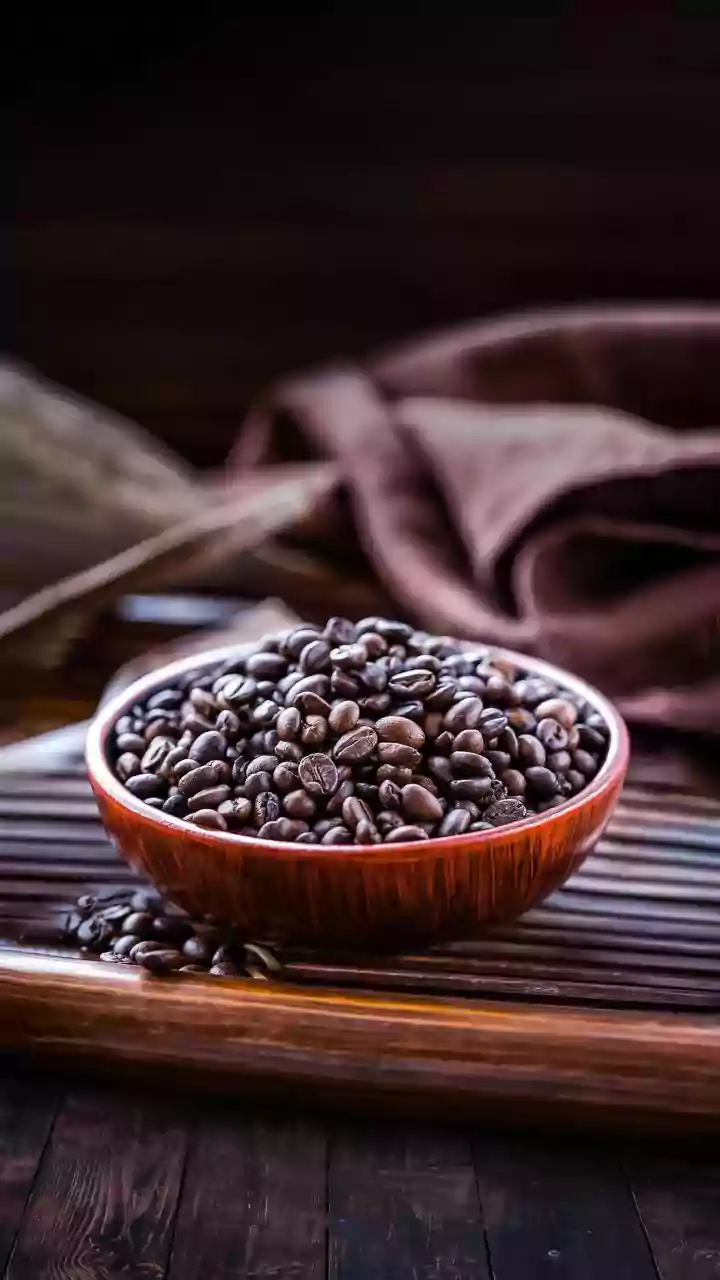
Unlike instant coffee, which is often a blend of beans from various places and qualities, single-origin coffee comes from a specific geographical location, sometimes a single farm or estate. Think of it like a fine wine with a distinct terroir. Coffees from Chikmagalur in Karnataka, known as the birthplace of coffee in India, might have different flavour notes than those from the misty hills of Coorg, the country's largest coffee-producing district. Other prominent regions include the Wayanad district in Kerala and the Araku Valley in Andhra Pradesh, where beans are often grown organically by tribal communities. This focus on a single source allows for unique, complex flavours—from chocolatey and nutty to fruity and floral—that are lost in the industrial process of making instant powder.
The Cafe as a Classroom
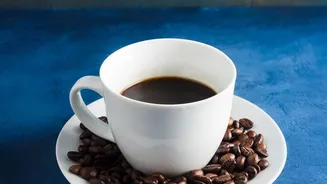
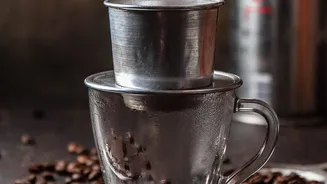
The explosion of specialty coffee shops in both metro and smaller cities has been a major catalyst for this trend. These cafes have become the 'third place'—a hub between home and work—where young Indians are first introduced to the world beyond instant coffee. Baristas who can explain the difference between an Arabica and a Robusta, or demonstrate a pour-over versus a French press, act as educators. This exposure demystifies specialty coffee, turning it from an intimidating concept into an accessible hobby. Once consumers have tasted a high-quality, freshly brewed cup, their palate evolves, making it difficult to return to the simplistic taste of instant coffee.
From Farm to Cup, Digitally
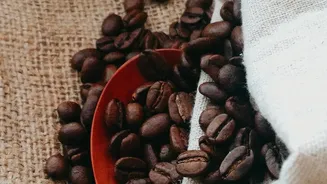
The rise of Direct-to-Consumer (D2C) brands has been crucial in making estate coffees accessible to everyone. Previously, the best Indian beans were often exported. Now, a wave of homegrown companies are sourcing high-quality beans directly from estates in Coorg, Chikmagalur, and elsewhere, roasting them in small batches, and shipping them directly to customers. This digital-first approach provides freshness that is impossible to match on a supermarket shelf. It also allows these brands to tell the story behind the beans, connecting the drinker to the specific farm and the people who grew the coffee, fulfilling the younger generation's desire for transparency and traceability.
More Than Just a Beverage
Ultimately, this shift is about more than just taste; it is a cultural phenomenon. For many young Indians, coffee has become a form of self-expression and a lifestyle statement. The pandemic accelerated the 'home barista' trend, with people investing in brewing equipment to recreate café-quality experiences at home. On social media, the aesthetics of latte art and manual brewing setups have turned coffee into visual content. Choosing a single-origin coffee from a South Indian estate is a vote for local economies, sustainable farming, and mindful consumption. It is a small, affordable luxury that provides a sense of craft and discovery in daily life.