





The Problem With a Desk Job
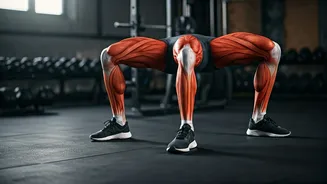
Prolonged sitting has been linked to a condition informally known as 'dead butt syndrome', or more clinically, gluteal amnesia. [8, 10, 15] This occurs because when you sit for extended periods, your gluteal muscles lengthen and become inactive, while
your hip flexors at the front of your hips shorten and tighten. [2, 8] Over time, your brain can essentially 'forget' how to activate these powerful glute muscles efficiently. [10] This forces other, smaller muscles to compensate, which can lead to a cascade of issues including lower back pain, hip stiffness, and even knee and ankle problems as your body's alignment and movement patterns are thrown off. [13, 15]
The Antidote: Dynamic Glute Bridges
The glute bridge is a highly effective exercise for counteracting the effects of a sedentary day. [27, 29] It specifically targets and activates the gluteal muscles, particularly the gluteus maximus, which is one of the body's largest and most powerful muscles. [2, 27] By performing this movement, you are essentially re-establishing the mind-muscle connection, reminding your glutes of their primary job: to extend the hips and stabilize the pelvis. [10, 13] Incorporating glute bridges helps to strengthen these underactive muscles, improve core stability, and can significantly reduce the lower back pain that often results from weak glutes. [22, 30]
How to Perform a Perfect Glute Bridge
Proper form is crucial to reap the benefits and avoid injury. [18] Start by lying on your back with your knees bent, feet flat on the floor about hip-width apart, and your heels roughly 6-8 inches from your buttocks. [22, 25] Rest your arms by your sides. Before you lift, engage your core to press your lower back gently into the floor. [18, 22] Then, drive through your heels and squeeze your glutes to lift your hips off the floor until your body forms a straight line from your shoulders to your knees. [25, 29] Avoid arching your back at the top. [1, 17] Hold the peak position for a second, continuing to squeeze your glutes, then slowly and with control, lower your hips back to the starting position. [23]
Common Mistakes to Avoid
Many people make simple mistakes that reduce the exercise's effectiveness. A primary error is hyperextending the lower back, or lifting the hips too high. [1, 17] This shifts the work from your glutes to your spine and can cause pain. [17] Aim for a straight line from shoulders to knees. [1] Another common fault is pushing through the toes instead of the heels, which tends to activate the hamstrings more than the glutes. [1, 17] If you feel your hamstrings burning, try bringing your heels a little closer to your body. [21] Finally, don't rush the movement. Performing the exercise slowly, especially on the way down, builds strength and control. [4]
Progressions and Variations
Once you've mastered the basic glute bridge, you can introduce variations to keep challenging your muscles. For a simple progression, try a glute bridge hold, where you maintain the top position for 20-60 seconds. [3, 26] You can also make the exercise more dynamic with 'marches', where you hold the bridge position while alternately lifting one foot off the ground for a moment. [3, 19] For added resistance, place a resistance band just above your knees and focus on pressing your knees outward as you lift your hips. [6, 18] For a significant challenge, progress to a single-leg glute bridge, which dramatically increases the load on the working glute and enhances core stability. [6, 14]
Making it a Daily Habit
Consistency is key to reversing the effects of sitting. Aim to perform glute bridges regularly. You don’t need to spend hours; a few sets can make a big difference. Consider three sets of 15 to 20 repetitions, a few times a week. [16] They can be done first thing in the morning to wake up your glutes, as a quick movement break during your workday, or as part of a warm-up routine before a larger workout. [29] Taking short breaks from sitting every 30-60 minutes to stand, walk, or perform a few simple stretches like glute bridges can go a long way in improving your overall well-being. [10, 12]