

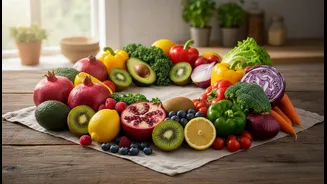


Beyond the Rainbow: What is Dietary Diversity?
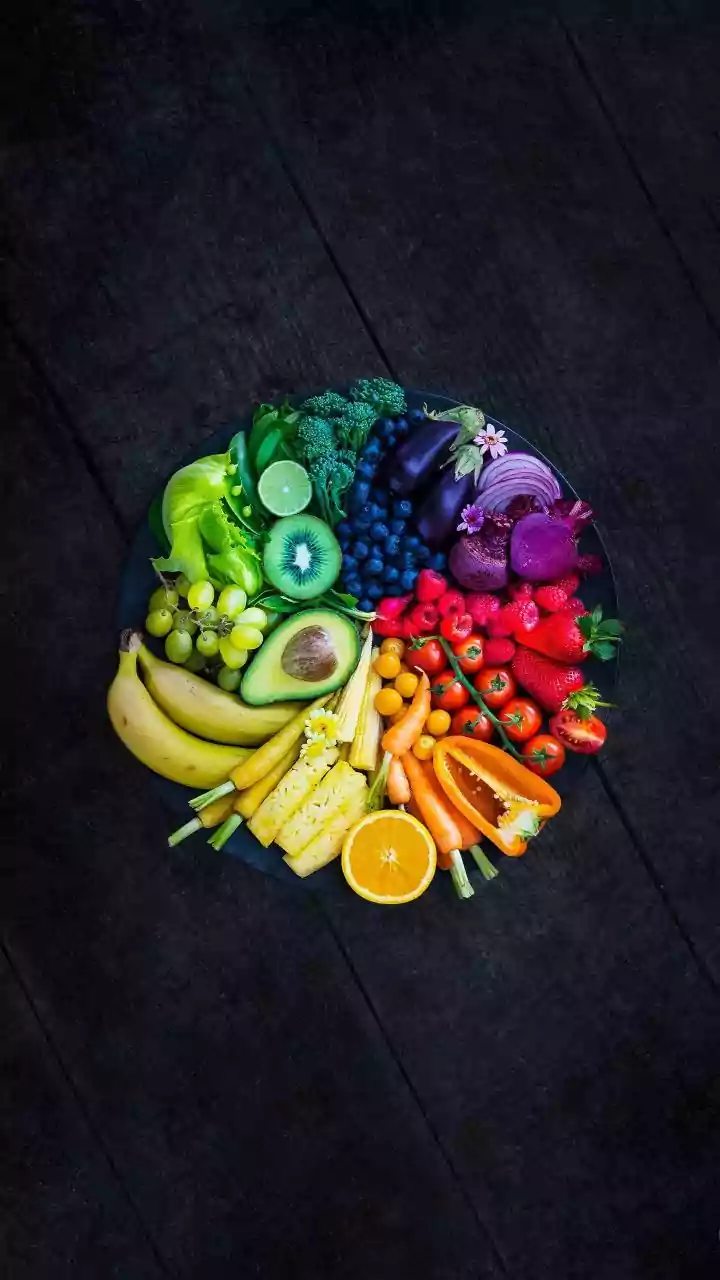
The advice to “eat the rainbow” is a good start, but true dietary diversity is more scientific than that. It refers to consuming a wide variety of foods across different food groups to ensure you get a broad spectrum of essential nutrients. A diet might
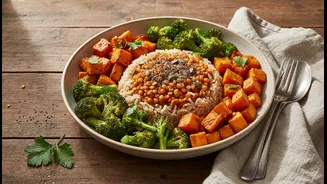
be diverse in colours but if it's just different kinds of processed snacks, it doesn't count. A truly diverse diet provides a mix of vitamins, minerals, proteins, healthy fats, and complex carbohydrates. Studies show that a higher dietary diversity score is linked to a reduced risk of chronic diseases like type 2 diabetes and heart disease, and can even support better cognitive function and mental health. The goal is to get a mix of protective compounds that work together to keep your body functioning optimally.
The Nutrient-Dense Difference
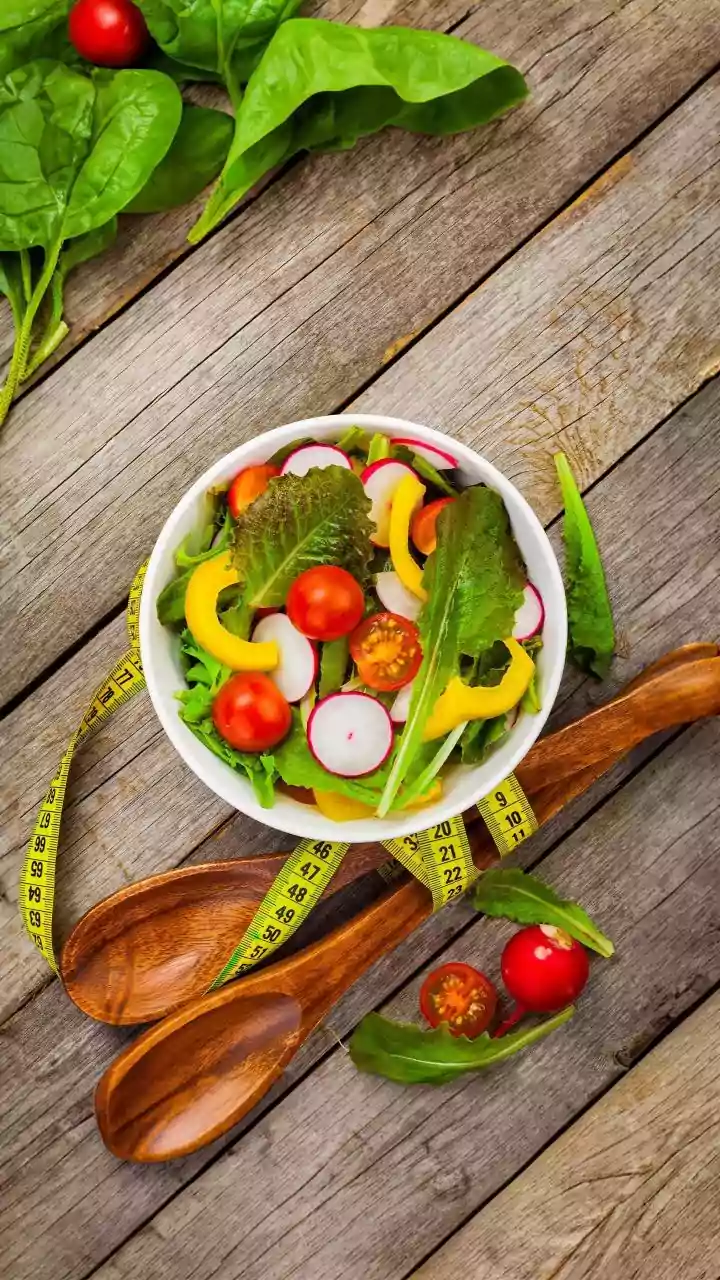
This is where the concept of “nutrient density” becomes critical. A nutrient-dense food is one that provides a high level of nutrients—like vitamins, minerals, and protein—for a relatively low number of calories. Think of spinach, lentils, eggs, or fruits. In contrast, a calorie-dense (or energy-dense) food, like a fried snack or a sugary drink, offers many calories but very few beneficial nutrients. A diet can be diverse but unhealthy if the variety comes from different types of nutrient-poor foods. Therefore, the health benefits of dietary diversity are only unlocked when the variety is composed of nutrient-dense choices.
The Affordability Barrier to Eating Well
Herein lies the biggest challenge for most households in India: affordability. While awareness about healthy eating is growing, access to a consistent supply of diverse, nutrient-rich foods is often limited by cost. Many people believe that a healthy diet requires expensive, imported “superfoods,” but this is a myth. The reality is that economic factors heavily influence food choices, and when budgets are tight, people often turn to cheaper, calorie-dense foods to feel full, even if they lack nutrition. This economic pressure is a primary reason why achieving a truly healthy, diverse diet remains a challenge for many families.
Your Guide to Affordable Indian Superfoods
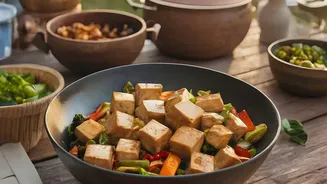
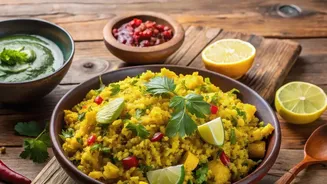
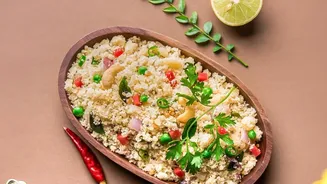
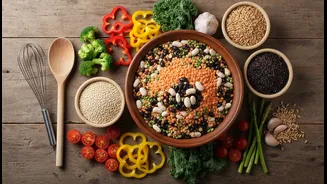
The good news is that an incredibly nutritious and diverse diet is possible without a big budget. Indian kitchens and markets are already full of affordable, nutrient-dense powerhouses. Lentils (dals) and legumes like chickpeas (chana) and kidney beans (rajma) are fantastic, low-cost sources of protein and fibre. Millets like bajra and ragi are packed with nutrients and are often cheaper than refined wheat and rice. Seasonal vegetables are always more affordable and at their nutritional peak; think leafy greens like spinach and moringa (drumstick leaves) which are loaded with iron and vitamins. Other budget-friendly staples include eggs, peanuts, curd (yoghurt), and amla (Indian gooseberry), all of which offer immense health benefits for their cost.
Smart Strategies for a Healthier Plate
Making a few strategic shifts can help you maximise nutrition without stretching your budget. Prioritise whole foods over processed ones. Instead of buying expensive protein powders, rely on affordable sources like dals, soya chunks, and paneer. Plan your meals for the week to reduce waste and impulsive buys. Visiting local markets for seasonal produce can often get you better prices than supermarkets. Learning to incorporate a wider variety of local grains and vegetables can make your meals more interesting and nutritious. For example, making sattu a part of your diet or using different types of dals throughout the week is an easy way to boost your protein intake affordably.