



The Comfort of the Familiar
For years, the urban Indian palate has been on a global adventure. We’ve chased after sourdough starters, mastered pasta from scratch, and debated the merits of Korean kimchi versus Japanese tsukemono. Yet, beneath this culinary exploration, a powerful
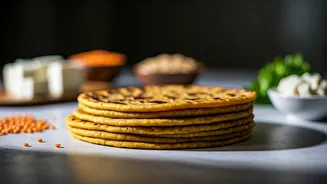
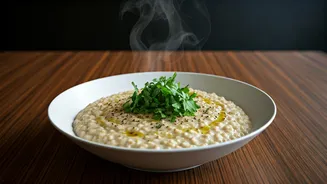
counter-current has been gaining strength. The biggest trend in Indian food today isn't a new ingredient or a foreign technique; it's the heartfelt embrace of ‘ghar ka khana’—home-cooked food in its most elemental form. We're talking about the timeless trinity of dal, chawal, and sabzi; the one-pot wonder of khichdi; the simple satisfaction of a soft roti with a dollop of ghee. These aren't just meals; they are anchors to our identity, served up with a side of nostalgia and a deep sense of well-being that no Michelin-starred dish can quite replicate.
A Post-Pandemic Realignment
Much of this shift can be traced back to the lockdowns. Confined to our homes, we were forced off the treadmill of restaurant dining and food delivery apps. Kitchens, for many, became sanctuaries. The process of cooking became a mindful ritual, a way to nourish not just our bodies but our spirits. Stripped of culinary theatrics, what emerged was a craving for authenticity and comfort. We remembered the therapeutic rhythm of chopping vegetables and the fragrant alchemy of tempering spices. This wasn't about impressing anyone on Instagram; it was about feeding ourselves and our families with food that was wholesome, reliable, and deeply comforting. The pandemic reminded us that health is wealth, and the foundation of good health often lies in the simple, balanced meals our grandmothers championed.
The Wellness Connection
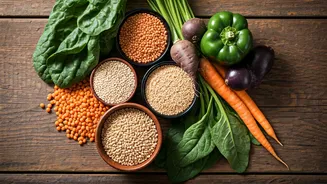
This rediscovery aligns perfectly with the modern wellness movement, which increasingly champions ancestral wisdom over fleeting fads. Nutritionists and health experts are vocal advocates for returning to traditional eating patterns. Simple Indian meals are, by design, incredibly balanced. A plate of dal and rice provides a complete protein. A vegetable sabzi offers essential fibre and micronutrients. Khichdi is the ultimate gut-friendly reset button. These meals are often naturally gluten-free, easily made vegan, and rely on a handful of powerful spices like turmeric, cumin, and coriander, all lauded for their anti-inflammatory and digestive properties. In a way, we are realizing that the answer to many of our modern lifestyle ailments has been sitting in our own family recipe books all along.
The Economics of Simplicity
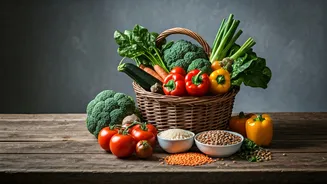
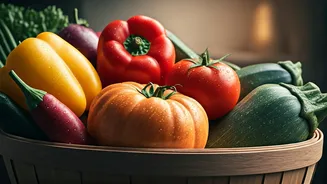
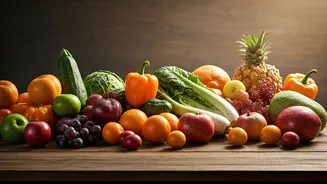
Beyond health and nostalgia, there’s a practical, economic driver. With food inflation squeezing household budgets, the appeal of simple meals has grown stronger. The cost of a home-cooked dal, rice, and seasonal vegetable dish is a fraction of a restaurant meal or even a curated meal kit. Cooking simply encourages using local, seasonal produce, which is not only cheaper and fresher but also better for the environment. This turn towards frugality isn't about deprivation; it's about smart, conscious consumption. It’s a recognition that a satisfying and nutritious meal doesn't require expensive, imported ingredients. The humblest of ingredients—lentils, rice, seasonal greens—can be transformed into something profoundly delicious and nourishing.