


From Home Kitchens to Gourmet Plates
There's a quiet revolution simmering in India’s restaurant scene. It isn't about importing exotic ingredients or chasing global trends. Instead, chefs are looking inwards—into their own memories, their mothers’ recipe books, and the bustling bylanes of
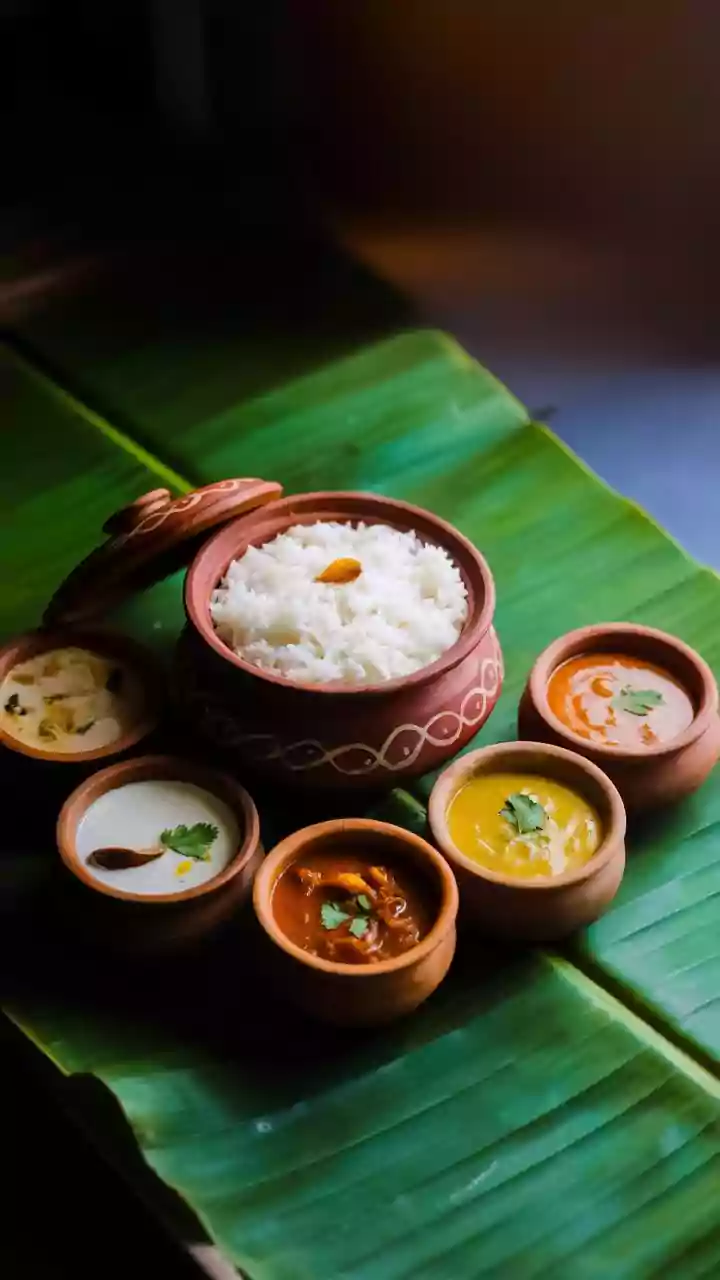
their childhoods. The simple, soulful dishes that once defined our comfort—the dal khichdi we ate when sick, the puri-aloo from Sunday breakfast, the seasonal pickles jarred with love—are being reimagined. They are stepping out from the humble tiffin box and onto meticulously designed tasting menus, becoming the unexpected heroes of modern Indian dining.
A Craving for Connection and Authenticity
So, why now? The trend is fuelled by a collective yearning for authenticity in an increasingly globalised world. For years, fine dining in India often meant French, Italian, or pan-Asian cuisine. Indian food was largely confined to rich, Mughlai-inspired curries or predictable North Indian fare. But a new generation of diners and chefs is pushing back. They are hungry for flavours that feel personal and rooted. This movement is less about molecular gastronomy and more about emotional gastronomy. It’s about food that tells a story, connecting diners not just to a region, but to a shared cultural memory. In a fast-paced, digital age, a dish that tastes like 'home' offers a powerful, grounding experience.
The Chefs Leading the Charge
At the forefront of this movement are culinary storytellers. Chefs like the late Floyd Cardoz with his iconic The Bombay Canteen, and his successor Thomas Zacharias, championed the idea of celebrating lesser-known regional Indian cuisines. They unearthed forgotten recipes and gave seasonal, local produce the respect it deserved. Similarly, Chef Manish Mehrotra of Indian Accent has masterfully elevated street food, turning familiar tastes into sophisticated bites, like his blue cheese naan or daulat ki chaat. In kitchens across Delhi, Mumbai, Bengaluru, and beyond, chefs are deconstructing and reconstructing. They might present a classic 'khandvi' as a delicate roll with an unexpected filling, or serve a simple 'bisi bele bath' with artisanal ingredients and a refined plating style. The goal is not to erase the original, but to pay homage to it while showcasing its potential in a new light.
Reimagining the Classics
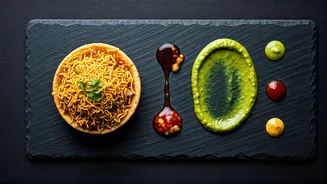
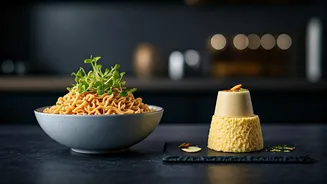
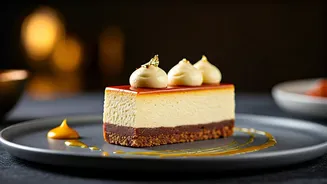
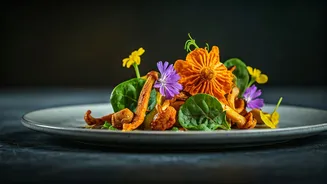
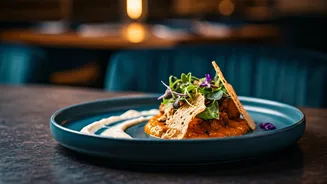
What does a 'modern' food memory look like on a plate? It could be a 'dabeli'—the humble Kutchi street snack—reborn as an open-faced tart. It might be a rich mutton 'paya' soup served in a delicate teacup, or a 'ghevar' dessert layered with mascarpone instead of malai. The techniques are often modern—sous-vide, foams, and gels might make an appearance—but the soul of the dish remains intact. The key is retaining the flavour profile that triggers the nostalgia. The 'tadka' must still sizzle with the same aroma; the spice blend in the 'chaat' must still hit all the right notes. It’s a delicate balancing act between innovation and preservation, challenging diners to see the food they grew up with through fresh eyes.