







The Science Behind the Roll
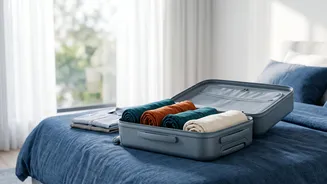
The long-standing debate between rolling and folding has a clear winner when it comes to maximising space. Rolling your clothes is more effective for a simple reason: compression. Tightly rolling a garment squeezes out the air that gets trapped between fabric
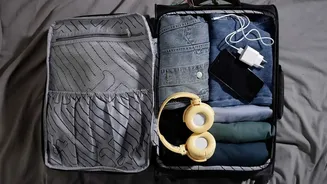
layers and within the empty spaces of a folded stack. While folded clothes create bulky, uneven stacks with lots of wasted air pockets, rolled items become dense, uniform cylinders. This allows you to pack them together more tightly, almost like a game of Tetris, filling every nook and cranny of your bag. This method not only creates more physical space but also provides better visibility of your items, meaning you don't have to rummage through layers of folded clothes to find one t-shirt.
Fewer Wrinkles, Not More
A common misconception is that rolling clothes will leave them a wrinkled mess. In reality, the opposite is often true. Folding creates hard, sharp creases that set into the fabric during transit. Rolling, on the other hand, avoids these harsh fold lines. While some light wrinkling is inevitable with any packing method, tightly rolled clothes are less prone to the deep-set creases that are difficult to remove. The key is to smooth out any existing wrinkles before you start rolling. For casual items like t-shirts, jeans, and knitwear, rolling is an excellent way to keep them looking fresh upon arrival.
A Guide to Rolling Different Garments
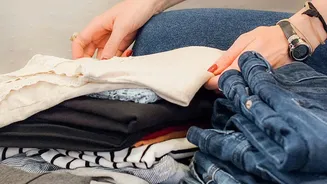
Mastering the roll is simple, but the technique varies slightly by garment. For t-shirts and casual tops, lay the shirt flat, fold the sleeves in, and then roll tightly from the bottom hem up to the collar. For trousers and jeans, place the legs on top of each other, fold the pair in half lengthwise, and then roll tightly from the cuff towards the waistband. Socks can be rolled together and even tucked inside shoes to save extra space. This method works best for lightweight and medium-weight fabrics like cotton, jersey, and denim. By making each roll as compact as possible, you ensure it stays secure and takes up minimal room.
When Folding Still Makes Sense
Despite its many advantages, rolling isn't a one-size-fits-all solution. For certain items, folding remains the superior choice. Bulky garments like thick sweaters or heavy jackets can actually take up more space when rolled. Similarly, structured items such as blazers, formal trousers, and crisp button-down shirts are better off being carefully folded to maintain their shape. These items don't compress well and rolling can damage their structure or create unwanted creases in awkward places. A hybrid approach is often best: roll your casual wear and fold your structured or bulky pieces, laying them flat on top of your rolled items.
Mastering the 7kg Limit
Saving space is only half the battle; you also need to manage weight. Rolling can tempt you to overpack, so being mindful of the 7kg limit is crucial. To stay underweight, start with a lightweight bag. Wear your heaviest items, like boots and a jacket, on the plane. Opt for travel-sized toiletries and multi-use items. Packing cubes are an excellent partner to rolling; you can group rolled items by category, which keeps you organised and can even offer further compression. By combining the space-saving power of rolling with smart weight-saving strategies, you can pack for a surprisingly long trip in just a small cabin bag.