






Why Rain Makes Street Food Risky
The monsoon season creates a perfect storm for germs. High humidity and moisture provide an ideal breeding ground for bacteria, viruses, and fungi to multiply rapidly. [4, 8, 15] Waterlogging and overflowing drains can lead to the contamination of water
sources used by street vendors for cooking, cleaning, and making popular items like pani puri. [3, 4] This significantly increases the chances of contracting waterborne diseases like typhoid, cholera, gastroenteritis, and hepatitis A. [5, 9, 11] Foods are often left exposed to flies, dust, and polluted rainwater, making them unsafe even if they look appealing. [4]
The Most Hazardous Snacks
While the allure is strong, some street foods are particularly high-risk during the monsoon. Topping the list is anything involving uncooked ingredients or unverified water sources. Pani puri, with its unboiled, flavoured water, is a major culprit for infections. [13, 16] Pre-cut fruits and raw salads sold on the street are also hazardous, as they can be exposed to contaminants for hours and may have been washed in unsafe water. [3, 16] Even deep-fried items like samosas and pakoras carry risks if the oil is old or the food is left uncovered, allowing bacteria to grow. [13] Chutneys and sauces left in open containers are also quick to spoil and become contaminated in the damp weather. [4, 7]
The Comfort and Safety of Home Cooking
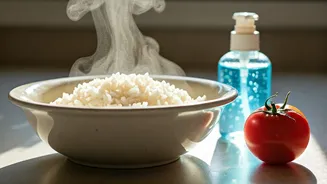
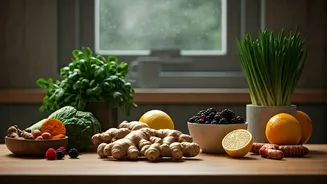
The safest and most comforting alternative is a freshly prepared meal at home. Cooking your own food gives you complete control over the quality and hygiene of your ingredients. You can ensure that all vegetables are washed thoroughly—soaking leafy greens in salt or vinegar water is a great practice—and that you use clean, boiled, or filtered water for all cooking purposes. [2, 3, 8] A home-cooked meal is not just safer; it's also easier on your digestive system, which can become sluggish during the monsoon. [14] Opting for warm, light, and easily digestible foods can help keep you healthy and energised. [21]
Boost Your Immunity with Smart Food Choices
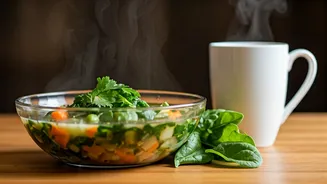
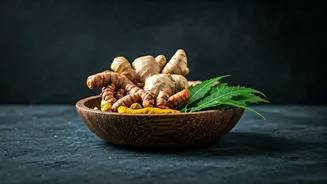
Strengthening your immune system is key to fighting off seasonal infections. Incorporating certain foods into your diet can provide a natural boost. Adding immune-boosting spices like turmeric, ginger, garlic, and black pepper to your meals is highly beneficial. [17, 21] Herbal teas, such as those made with ginger or tulsi, can keep you warm and help fend off colds and flu. [17, 21] Focus on seasonal fruits like pomegranates, pears, and plums, which are packed with vitamins and antioxidants. [3, 17] Warm, nourishing soups are an excellent choice, providing hydration and essential nutrients in an easily digestible form. [17, 18]
How to Enjoy Monsoon Flavours Safely
Being cautious doesn't mean you have to miss out on your favourite flavours. Many street food classics can be recreated at home in a more hygienic way. Instead of deep-fried pakoras, try making steamed snacks like dhokla and idlis, or lightly pan-fried moong dal chillas. [18] If you're craving something sweet, prepare dry fruit ladoos or millet-based energy bites instead of buying sweets that may have spoiled in the humidity. [18] For those who absolutely must eat out, choose reputable vendors who cook food fresh in front of you and maintain high standards of cleanliness. Opt for items that are served piping hot, as the heat can kill many harmful germs. [7, 13]