






Your Chariot Awaits: Getting Around on a Scooter
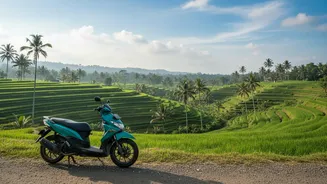
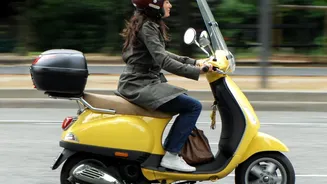
Forget expensive private taxis that get stuck in traffic. The key to unlocking Bali's hidden gems and sticking to a budget is two-wheeled freedom. Renting a scooter, or 'scooty' as it’s affectionately known, is the most popular way to get around. For a solo
traveller, it offers unparalleled flexibility. Daily rental prices for a basic automatic scooter like a Honda Scoopy or Vario range from IDR 60,000 to IDR 120,000 (about ₹320–₹650). If you're staying for a week or more, negotiating a weekly or monthly rate can bring the daily cost down significantly. For many Indian riders, navigating Bali's roads will feel familiar, though it’s crucial to always wear a helmet and carry an International Driving Permit. Renting from a reputable company that includes insurance and a first-aid kit is a smart move for peace of mind. This small investment allows you to zip from the beaches of Canggu to the spiritual heart of Ubud at your own pace.
Feast for Pennies: The Magic of Warungs
Your food budget can make or break your trip, and in Bali, the secret to eating well for less lies in one word: warung. These are small, family-run eateries serving authentic Indonesian and Balinese food at local prices. Forget the trendy cafes charging ₹1000 for avocado toast; a hearty and delicious meal at a warung can cost as little as IDR 25,000 to IDR 50,000 (roughly ₹135–₹270). A typical plate, often a 'Nasi Campur' (mixed rice), involves a scoop of rice surrounded by small portions of various dishes—vegetables, tofu, tempeh, chicken, or fish. It's a flavourful, balanced, and incredibly cheap way to eat. Three full meals a day from warungs can easily fit within a budget of IDR 150,000 (around ₹800). For Indian travellers accustomed to rice-based meals and rich spices, the food in warungs often feels both adventurous and comforting.
Budget-Friendly Stays for the Solo Adventurer
Accommodation is another area where a solo traveller can save significantly. Bali's hospitality scene is vast, extending far beyond luxury villas. The island is dotted with high-quality hostels and 'losmen' (guesthouses) that are perfect for solo explorers. A dorm bed in a clean, well-located hostel in areas like Kuta, Ubud, or Canggu can cost between ₹800 and ₹2,500 per night. These are not just places to sleep; they are social hubs where you can meet other travellers, share tips, and even find a companion for a day trip. Many hostels offer amenities like free Wi-Fi, communal kitchens, and sometimes even a pool. Opting for a guesthouse provides a bit more privacy with your own room, often including a simple breakfast, without the high cost of a hotel.
Putting It All Together: A Sample Daily Budget
So, what does a typical budget day look like? Let's break it down in Indian Rupees. A backpacker can comfortably manage on a daily budget of ₹2,400 to ₹4,000. Accommodation: A hostel bed can be around ₹1,000. Transport: A scooter rental averages out to about ₹400 per day. Food: Three meals at local warungs will set you back approximately ₹800. Activities & Miscellaneous: This leaves a healthy ₹200-₹1,800 for temple entrance fees (typically IDR 50,000–100,000 or ₹270–₹540), a bottle of water, or a sunset Bintang beer on the beach. This totals around ₹2,500 a day, proving that a solo Bali expedition is well within reach. Remember to also budget for one-time costs like your flight, the Visa on Arrival (around IDR 500,000 or ₹2,700), and the mandatory Bali Tourist Levy of IDR 150,000 (about ₹810).