





The Dawn of a New Era
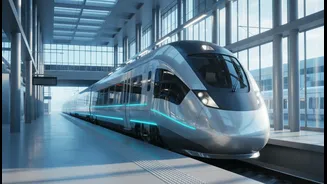
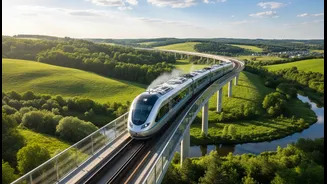
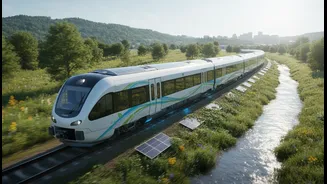
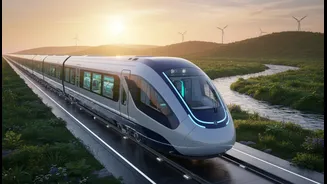
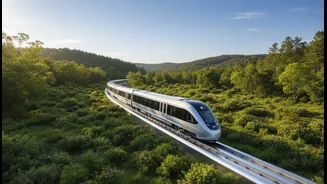
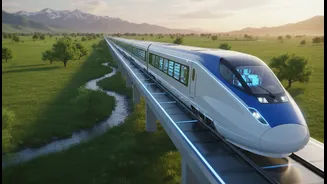
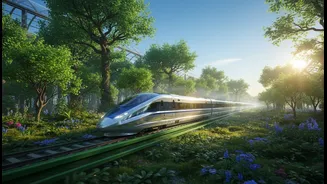
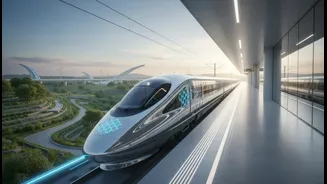
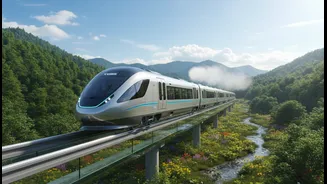
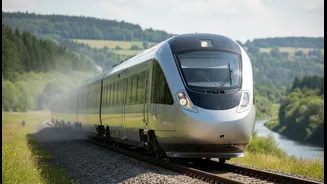
On July 17, 2026, India is scheduled to make history with the inauguration of its first hydrogen fuel cell-powered train. The inaugural journey will run on the Jind-Sonipat route in Haryana, marking a significant milestone in the nation's mission for
sustainable and indigenous transportation technology. After successful trials over the past few months, where the train reached speeds of up to 120 kmph, it is set to begin commercial operations, running two round trips daily on the 90-km corridor. This launch places India in a select group of nations, including Germany and China, that are actively developing hydrogen-powered rail transport.
How Does It Actually Work?
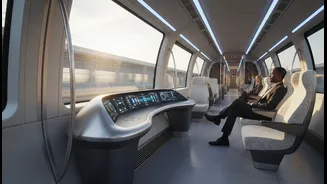
At its heart, a hydrogen train is an electric train that generates its own power onboard. Instead of drawing electricity from overhead lines, it uses a hydrogen fuel cell. Inside this cell, hydrogen stored in cylinders reacts with oxygen from the air. This chemical process generates electricity to power the train's motors, with the only byproduct being water vapour and steam. This means zero carbon emissions, a stark contrast to traditional diesel trains. The ten-coach train, designed by the Research Designs and Standards Organisation (RDSO) and built at the Integral Coach Factory in Chennai, is equipped with a hybrid system that combines the fuel cells with batteries to manage power.
More Than Just a Train Ride
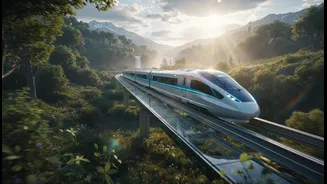
The project is about much more than a single route. It is a cornerstone of Indian Railways' ambitious goal to become a net-zero carbon emitter by 2030. The move toward hydrogen aims to reduce the country's massive diesel import bill, enhancing energy security and promoting the 'Make in India' initiative. The initial pilot on the Jind-Sonipat line is a crucial test case. Its success could pave the way for wider adoption, particularly on routes that are not electrified. Indian Railways has also announced the 'Hydrogen for Heritage' initiative, which plans to deploy 35 hydrogen trains on scenic and hilly tourist routes, replacing aging diesel engines with clean, quiet technology.
The Hurdles on the Track
Despite the excitement, the journey towards a hydrogen-powered rail network is not without significant challenges. The primary obstacle is cost. The initial investment is substantial, with each train estimated to cost around ₹80 crore and the necessary ground infrastructure, like the dedicated hydrogen refuelling facility in Jind, adding another ₹70 crore per route. Furthermore, the current cost of producing 'green' hydrogen—made using renewable energy—is significantly higher than diesel or electricity. While the National Green Hydrogen Mission aims to bring this cost down by 2030, the economic viability for a large-scale rollout remains a critical question. Safety, storage, and the creation of a widespread refuelling network are other complex issues that need to be addressed.