





What is Structural Proofing?
For years, students have been familiar with tools like Turnitin, which scan documents for copied text. Structural proofing is the next evolution. Instead of looking for plagiarism, these new algorithms analyse the very architecture of your thesis. Think
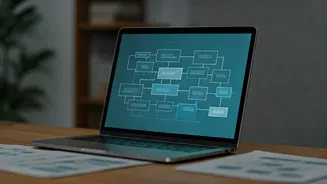
of it as a digital X-ray for your paper. It examines the logical flow, the coherence of your arguments, and whether your paper follows the established academic format. It’s not checking your spelling or grammar in isolation; it’s assessing whether your introduction effectively sets up your argument, if your methodology is clearly explained, if your evidence supports your claims, and if your conclusion logically follows from the body of your work. Essentially, it’s an automated check on the blueprint of your research.
How It Differs From Plagiarism Checkers
The distinction is crucial. A plagiarism scanner’s job is to act as a security guard, checking for unoriginal content against a massive database of existing work. Its goal is to ensure academic integrity by catching intellectual theft. A structural proofing algorithm, however, acts more like a writing coach or a very meticulous editor. It isn't concerned with where your ideas came from, but with how well you have presented them. For example, it might flag a paragraph in your literature review that seems disconnected from your main research question, or point out that your conclusion introduces new information instead of summarising your findings. It’s a move from policing content to guiding construction.
The Promise: Your Personal AI Tutor
The proponents of this technology argue that it could be a game-changer for students, especially those who struggle with the conventions of academic writing. The feedback is instant and impartial. Instead of waiting weeks for a professor’s notes, a student can get immediate pointers on how to strengthen their paper’s structure. For overburdened faculty, it automates the first pass of feedback, allowing them to focus on the more nuanced aspects of a student's research—the creativity, the critical insight, and the originality of the argument. These tools can help students identify logical fallacies, ensure their chapters are balanced, and verify that they've met all the formal requirements of a thesis, potentially leading to better writing skills and higher-quality final submissions.
The Concerns: Writing for the Robot
However, this new technology raises significant concerns. The primary fear is that it could lead to a homogenisation of thought and writing style. If students know their work will first be judged by an algorithm that prefers a rigid, predictable structure, they may be less inclined to take creative risks or explore unconventional arguments. Can an algorithm truly appreciate a brilliantly unorthodox approach? Critics worry it might penalise creative, boundary-pushing work that doesn't fit a standard template. There is also the risk of 'writing for the bot'—where students focus more on satisfying the algorithm’s checklist than on developing a genuinely compelling and original argument. This could stifle the very critical thinking and intellectual curiosity that higher education aims to foster.
Is This Happening in India?
While dedicated 'structural proofing' modules are still in their early stages globally, the technology underpinning them is already here and gaining traction. Many Indian universities and students already use advanced AI writing assistants like Grammarly Premium or Paperpal, which offer features that go far beyond grammar checks to suggest improvements in clarity, tone, and flow. As these tools become more sophisticated and integrated into learning management systems (LMS) like Moodle or Blackboard, which are widely used in India, their structural analysis capabilities will become more common. While not yet a mandatory submission gate at most institutions, it is a powerful trend in educational technology that students and educators across the country need to be aware of. The question is not if, but when and how, it will become a standard part of the academic process.