




The Reality of Festive Fares
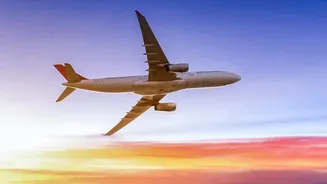
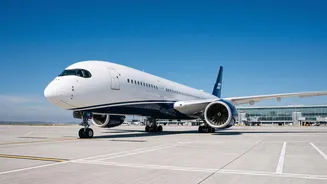
It's an annual tradition as predictable as lighting diyas: as Diwali approaches, flight ticket prices surge. This year is no exception, with fares on major routes reaching eye-watering levels. For instance, last-minute one-way tickets from major cities
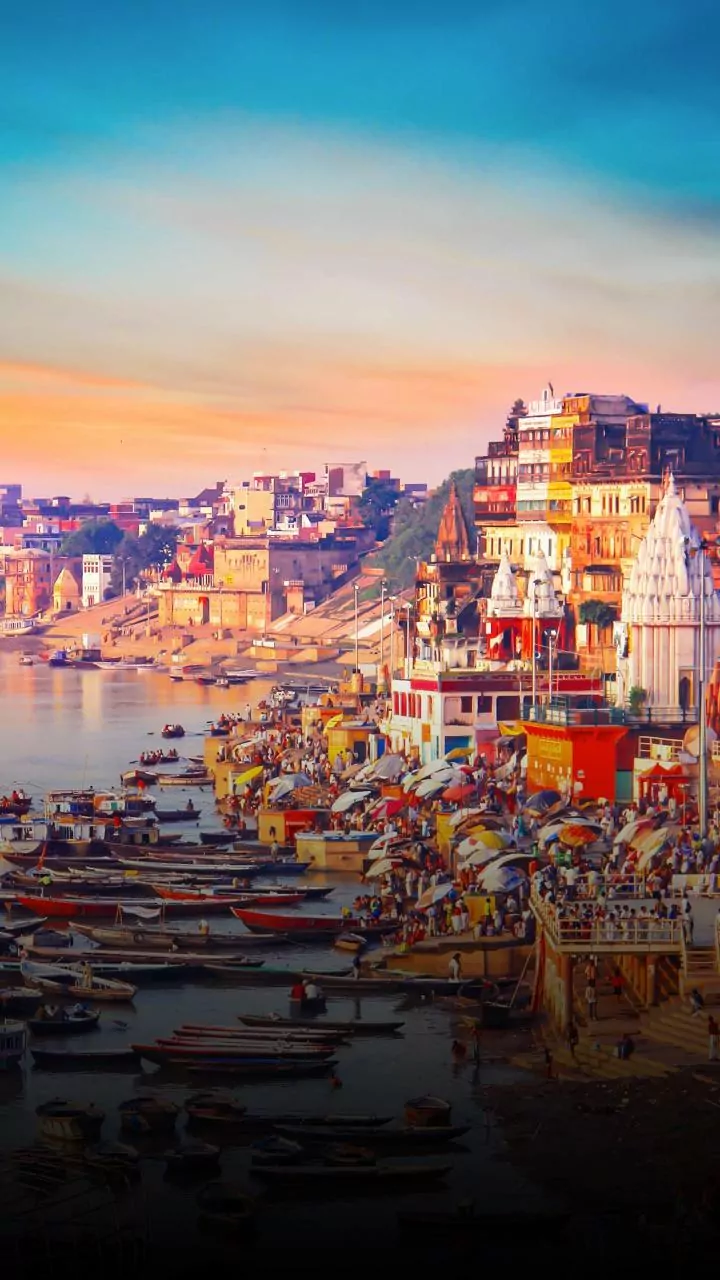
like Mumbai and Bengaluru to destinations like Patna and Varanasi are reportedly crossing the ₹25,000 mark. Even on high-traffic routes like Delhi to Mumbai, prices that are typically around ₹5,000 can jump significantly during the festive rush. This surge is driven by a combination of factors. Airlines use dynamic pricing, where fares increase with demand. This year, the situation is compounded by higher aviation fuel costs and reports of major carriers reducing, rather than increasing, their capacity compared to last year, creating fewer available seats just when demand is at its peak.
The Great Railway Scramble
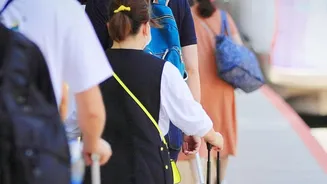
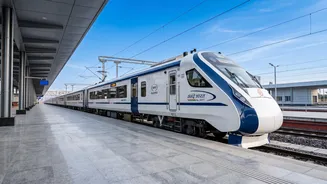
With flights becoming prohibitively expensive for many, the natural alternative is the Indian Railways. However, securing a confirmed train ticket during the Diwali rush is a challenge of its own. Tickets on popular routes to states like Uttar Pradesh and Bihar are often sold out within minutes of bookings opening, leaving travelers on long waiting lists with little certainty. Many trains show 'REGRET' status weeks in advance, indicating no more bookings are possible. While Indian Railways has announced thousands of special train services to manage the festive load, the demand still far outstrips supply, pushing many young professionals and students to look for other viable, and available, options.
Buses and Cars Bridge the Gap
As both flight and train options become difficult, road travel is emerging as a popular, if not always cheaper, alternative. Private bus operators are seeing a massive spike in demand. However, this has also led to a surge in bus fares, with some routes seeing prices jump by over 200%. Stories are common of travellers unable to find confirmed train tickets turning to buses, only to find the prices are far higher than usual. For those traveling in groups, carpooling or driving their own vehicles is becoming a more economical and reliable way to ensure they make it home for the festivities, splitting fuel and toll costs to make the journey more affordable than a last-minute flight.
The 'Work from Hometown' Solution
The post-pandemic rise of flexible work arrangements has provided an invaluable loophole for many young professionals. Instead of battling the last-minute travel rush, many are now planning ahead. They travel to their hometowns a week or two before Diwali, when fares are still reasonable, and work remotely. This allows them to spend an extended period with their families without taking extra leave or paying exorbitant travel costs. This trend reshapes the traditional, condensed holiday trip into a longer 'workation', blending professional responsibilities with festive family time, a strategy that offers the best of both worlds.
Redefining the Diwali Getaway
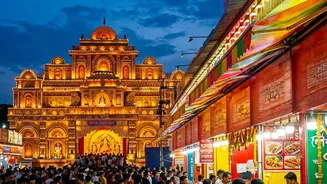
For some, the high cost and hassle of traveling home have led to a different kind of celebration altogether. Instead of a traditional family gathering, groups of friends in cities like Mumbai, Bengaluru, and Delhi are opting for 'Friendsgiving' style Diwali celebrations. Others are using the long weekend to explore closer, more accessible destinations that don't require expensive flights. This has given rise to trips to serene hill stations, quiet beach towns, or heritage sites that are just a drive or a short train ride away. These smaller-scale getaways allow for a festive break without the financial strain, turning the holiday into an opportunity for a different kind of memory-making.