





From Screen Time to Snack Time
The origin of India's obsession with Korean food can often be traced to a single source: a late-night K-drama binge. [2] The Korean cultural wave, or Hallyu, hit its peak in India during the pandemic lockdowns, with viewership for K-dramas on Netflix
jumping by 370% in 2020 alone. [3, 9] Characters in popular shows are constantly seen bonding over meals, making dishes like ramyeon, tteokbokki (spicy rice cakes), and Korean fried chicken look irresistible. [6, 7] This constant, appealing exposure sparked a powerful curiosity among Indian viewers. [6, 7] The desire to taste what they saw on screen directly translated into consumer demand; in the same year, Korean noodle imports grew by a staggering 162%. [2, 3] What started as entertainment quickly evolved into a powerful driver for lifestyle and food choices, making K-dramas the most effective (and unintentional) food advertisement. [5, 7]
A Perfect Match for the Indian Palate
Beyond the on-screen appeal, the success of Korean snacks in India lies in a surprising flavour compatibility. [2] Both cuisines celebrate bold, complex tastes, with a shared love for spice. [16, 17] The Korean flavour profile, often balancing spicy, sweet, savoury, and umami, feels both exciting and comfortingly familiar to the Indian palate. [17] Ingredients like rice, noodles, vegetables, and spices like chilli and pepper are common to both culinary traditions. [3, 9] The fiery punch of gochujang (red chilli paste) and gochugaru (chilli powder) resonates well with those accustomed to Indian masalas. [17] This synergy has made snacks with a 'swicy' (sweet and spicy) profile a massive hit. It’s this familiar-yet-novel combination that has allowed Korean snacks to move from a niche interest to a mainstream craving. [10]
The Ramyeon Revolution
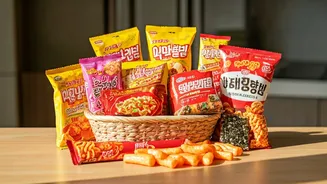
At the forefront of the K-snack phenomenon is the undisputed king: ramyeon. Far from just another instant noodle, Korean ramyeon has built a cult following, especially among Gen Z. Brands like Nongshim (Shin Ramyun) and Samyang (Buldak Fire Noodles) have become household names. [4] Sales for one popular brand grew 130% in 2020 alone. [3, 4] The appeal lies in the distinctively chewy noodles, the rich and complex broth, and the infamous spice levels. [14] Viral social media trends, such as the 'Buldak Fire Noodle Challenge,' turned eating spicy ramyeon into a rite of passage for many, racking up millions of views on platforms like YouTube and Instagram. [2] This digital buzz, combined with their frequent appearance in dramas, has cemented ramyeon's status as the ultimate Korean comfort food in India. [8, 14]
Beyond the Noodle Aisle
While ramyeon may have led the charge, the K-snack invasion extends far beyond it. Supermarket aisles and online stores are now brimming with a diverse array of Korean treats. [13] Tteokbokki, chewy rice cakes in a spicy sauce, has become a beloved street food star, thanks to its comfort-food nature and visual appeal on social media. [2, 14] Sweet snacks like Lotte's Choco Pie and Pepero sticks have also found immense popularity, becoming staples for students and those with a sweet tooth. [4, 5, 14] Other popular items include various flavours of honey butter chips, seaweed crisps (gim), and unique snacks like Orion's Turtle Chips. [2, 4] This growing availability, from specialty Korean stores to mainstream e-commerce platforms like Amazon and BigBasket, has made it easier than ever for Indians to explore and indulge. [3, 13]
The Business of Cravings
This sustained fever is not just a cultural moment; it's a significant business opportunity. [2] Korean food exports to India have surged, with Korean ramyeon alone topping $8 million in the first half of 2024. [12] Recognizing the potential, major Korean companies are investing heavily. Orion, maker of the Choco Pie, invested ₹200 crore in a plant in Rajasthan to produce a 100% vegetarian version for the Indian market. [4] Similarly, noodle giants like Nongshim have launched local-friendly and halal-certified options to cater to a wider audience. [4, 12] Indian companies are also getting in on the action, with brands like ITC and Nestlé launching Korean-flavoured chips and noodles to meet the demand. [4] This blend of cultural influence, flavour compatibility, and strategic business moves suggests the K-snack fever is a structural shift in India's food landscape. [2]