






Understanding the 'Hygiene Rating'
The key player in India's restaurant hygiene landscape is the Food Safety and Standards Authority of India (FSSAI). Under its 'Eat Right India' initiative, FSSAI rolled out the Hygiene Rating Scheme. This is a voluntary system where restaurants, cafes,
and even sweet shops are audited and given a rating from 1 to 5 stars. This rating is a quick, visual guide to a kitchen's overall compliance with food safety and hygiene standards. You can often find this certificate displayed at the restaurant's entrance or on its profile on food delivery apps.
Where to Find the Full Report
While a 5-star rating is a good sign, the real details are in the full inspection report. Food Safety Officers (FSOs), employed by state authorities or municipalities, conduct these checks. Restaurants can log into the FSSAI's FoSCoS (Food Safety Compliance System) portal to generate and print their rating certificate after an inspection. While direct public access to every detailed report can be inconsistent, the displayed rating certificate is your first confirmation that an official check has occurred. For delivery platforms, displaying the FSSAI license number is mandatory, which you can use as a reference.
Beyond the Stars: Key Areas to Scrutinise
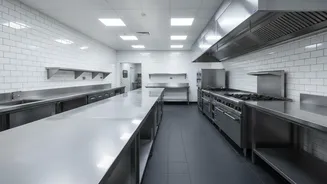
A full inspection report is more than just a single number; it's a detailed checklist. Auditors evaluate several critical areas, each with its own score. Key areas include: personal hygiene of staff (clean uniforms, no jewellery, proper handwashing), the condition of the premises (clean walls and floors, adequate lighting), and proper food storage to prevent cross-contamination (keeping raw meat separate from ready-to-eat foods). The report will also assess pest control measures, the quality of the water supply, and waste disposal systems. A restaurant might have a decent overall rating but fail in a critical area, a detail only the full report reveals.
Decoding Critical Violations and Red Flags
Some issues are more serious than others. These are the red flags diners should never ignore. Look for violations related to temperature control. Hot food must be kept hot (above 60°C) and cold food cold (below 5°C) to prevent bacterial growth. Any mention of improper food handling, such as using the same cutting board for raw chicken and salad vegetables, is a major concern for cross-contamination. Other critical violations include the absence of proper handwashing facilities for staff, evidence of pests, or using non-potable water. An expired FSSAI license is also a fundamental failure. These are often marked as 'critical' or result in a significant point deduction on the report.
Reading Between the Lines: Staff and Documentation
A truly compliant kitchen invests in its people and processes. Inspection reports often note whether staff have undergone mandatory Food Safety Training and Certification (FoSTaC). They also check for records, which show a culture of compliance. Are there logs for refrigerator temperatures? Are there up-to-date pest control certificates and water testing reports? Are staff medical fitness certificates on file? The presence of this organised documentation signals that safety is a daily practice, not just a performance for the inspector. A lack of these records, even with a clean-looking kitchen, can be a warning sign.