


The End of the Catalogue Era
Remember the era of the matching five-piece sofa set, the perfectly coordinated (and often untouched) formal living room, and the adherence to a specific, globally-influenced but locally anonymous style? This was the showroom aesthetic. Driven by aspirational
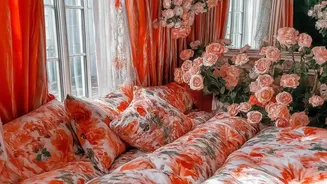
buying and the first wave of mass-market furniture retailers, it offered a shortcut to a 'modern' home. The goal was perfection, a space that was neat, tidy, and impressive. However, in its pursuit of flawlessness, this approach often sacrificed personality, leaving homes feeling more like hotel lobbies than personal sanctuaries. Homeowners are now increasingly looking for spaces that are authentic and not a replica of a catalogue.
A Return to Roots and Craftsmanship
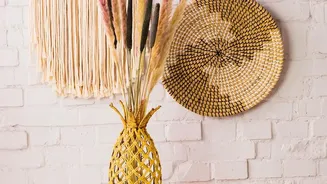
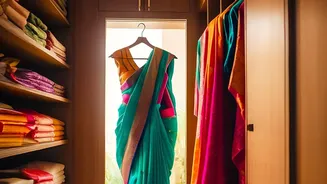
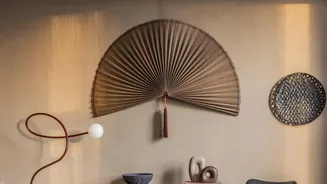
One of the most significant shifts is the enthusiastic return to Indian heritage and artisanal craftsmanship. Homeowners are looking past mass-produced imports and choosing pieces that tell a story. This includes everything from hand-carved wooden furniture and intricate metalwork like Bidri to vibrant textiles like Madhubani art and handwoven dhurries. This revival is not about creating a museum-like traditional home. Instead, it's about a fusion where a single handcrafted piece, like a bone-inlay console or a piece of Jaipur Blue Pottery, can become the soulful centrepiece in an otherwise contemporary room. This trend supports artisan communities and keeps generational knowledge alive, making it a culturally significant choice.
Sustainability Becomes a Style Statement
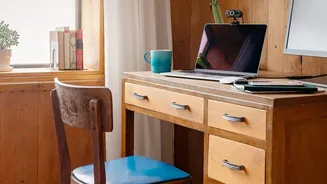
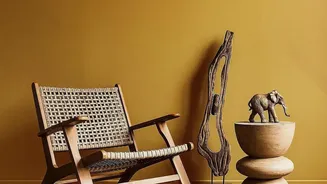
Eco-consciousness is no longer a niche interest but a guiding principle in modern Indian design. This translates into a preference for natural, eco-friendly materials like bamboo, jute, cork, and organic cotton. There's a growing appreciation for reclaimed wood, which brings warmth and unique character to furniture and flooring while reducing deforestation. The concept of upcycling is also gaining ground, where vintage finds and pre-owned teak tables are seen as 'storytelling pieces' that add charm without waste. From low-VOC (volatile organic compounds) paints to energy-efficient lighting, sustainability is being woven into the very fabric of the home, proving that style and responsibility can coexist beautifully.
The Rise of the Personal and Imperfect
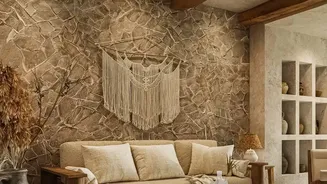
Social media platforms like Instagram and Pinterest have ironically played a dual role in this shift. While they can create 'inspiration inflation' and make some homes look alike, they have also empowered homeowners with visual language and ideas. People are moving from just decorating to actively curating their spaces. A home is now viewed as a reflection of personal identity, experiences, and values. This has led to the embrace of what's been called 'warm minimalism'—clean but not cold spaces, filled with fewer but more meaningful objects. There's also a growing appreciation for imperfection, a 'wabi-sabi' approach that finds beauty in handmade pottery, uneven finishes, and the natural grain of wood, celebrating authenticity over uniformity.
Bringing Nature Indoors
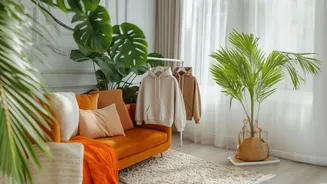
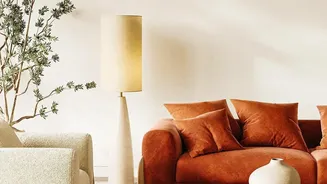
The connection to nature, or biophilic design, has become a cornerstone of the modern Indian home. This goes beyond placing a few pots in the corner. We're seeing the integration of living walls, indoor herb gardens in kitchens, and the use of natural materials and earthy colour palettes to create a calming, serene environment. Colours like terracotta, sage green, and warm browns are dominating interiors, partly because they resonate well with the quality of natural light in India. This trend is a response to urban living, offering a much-needed sense of tranquility and a connection to the natural world within the confines of an apartment or house.