





The High Cost of a Healthy Gut
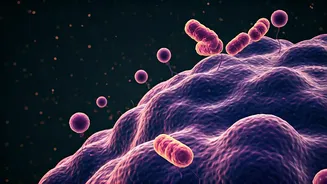
The term 'probiotic' has become a modern health buzzword, and for good reason. These live beneficial bacteria are essential for maintaining a healthy gut microbiome, which influences everything from digestion and immunity to mood. This growing awareness
has fuelled a massive market for probiotic supplements, with monthly bills easily running from ₹500 to over ₹1,500. While these supplements offer convenience, their high cost is leading many Indians to seek more sustainable solutions. This search is ending right where it started for many: the family kitchen.
Our Kitchens Were Always Probiotic Pharmacies
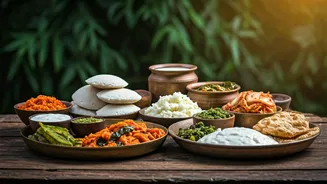
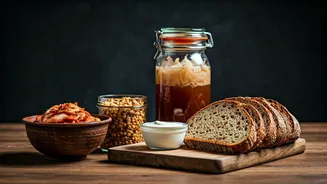
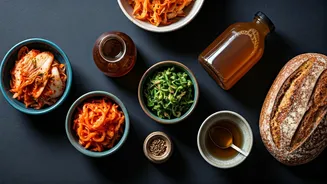
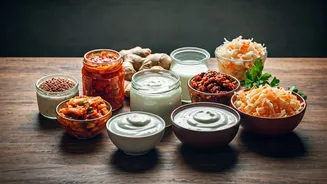
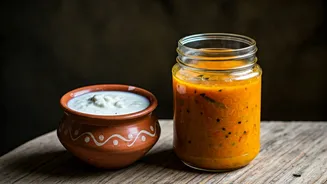
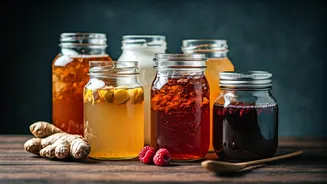
Long before probiotic capsules existed, Indian households were masters of fermentation. Traditional foods like homemade dahi (curd), achaar (pickles), and seasonal drinks like Kanji are potent, natural sources of diverse probiotic strains. For centuries, these foods have been a cornerstone of the Indian diet, valued for their taste and digestive benefits. What our grandmothers knew intuitively, science now confirms: these humble preparations are teeming with the very same types of beneficial bacteria, like Lactobacillus, that are marketed in expensive supplements. Unlike supplements that often contain a limited number of strains, homemade ferments can offer a wider diversity of microorganisms, which is crucial for a robust gut.
A Simple Cost Comparison
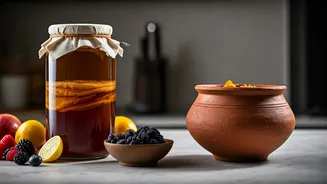
The economic argument for DIY probiotics is compelling. A one-litre packet of milk to make fresh, probiotic-rich dahi at home costs a fraction of a monthly supply of probiotic pills. Similarly, a batch of Kanji, a fermented drink made from carrots or beetroot, requires little more than the vegetables, water, and a few spices. The cost difference is staggering. While supplements offer a measured dose, proponents of fermented foods argue that the nutritional value is superior. Foods like dahi not only deliver probiotics but also come with protein, calcium, and B vitamins, offering a more holistic nutritional package than a standalone pill.
More Than Just Probiotics
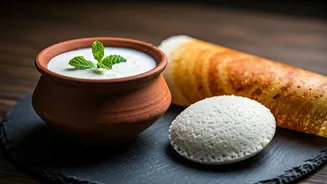
The benefits of traditional fermented foods go beyond just providing live bacteria. The process of fermentation itself enhances the nutritional profile of the food. It breaks down complex compounds, making nutrients more bioavailable and the food easier to digest. For instance, the fermentation of idli and dosa batter reduces anti-nutrients, allowing for better absorption of minerals like iron and zinc. Many Indian pickles, when traditionally fermented without excess oil or vinegar, are rich in antioxidants from spices like turmeric and mustard seeds, which help combat inflammation. These foods support the entire digestive ecosystem, not just add bacteria to it.
Getting Started Is Easy
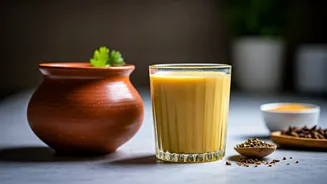
Embracing this trend doesn't require becoming a master chef. The most accessible probiotic powerhouse is homemade dahi. Simply boiling milk, letting it cool to a lukewarm temperature (around 42-45°C), and adding a spoonful of starter curd is all it takes. Left to set for several hours, you get fresh curd with a higher and more diverse probiotic count than most commercial options, which can lose potency over time on the shelf. For something different, try making Kanji. Chop black carrots or beetroot, place them in a glass jar with water, salt, and crushed mustard seeds. Cover with a cloth and let it ferment in a warm spot for 2-4 days until tangy. This drink is not only a probiotic source but also excellent for hydration.