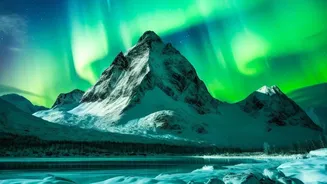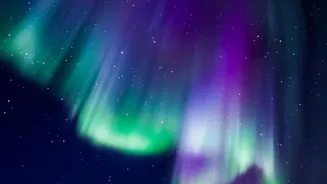






The dream is a vibrant green ribbon dancing across a starry sky. The reality can be a frustrating blanket of grey cloud. Seeing the Northern Lights is a bucket-list goal, but many popular viewing spots come with a hidden risk: the weather.
The Reality Behind the Photos
Those breathtaking,
almost impossibly vivid aurora photos that fill your social media feed are real, but they often don't tell the whole story. Photographers use long-exposure camera settings that capture more light and colour than the human eye can see, especially during weaker displays. What might appear as a faint, greyish wisp in the sky to you can look like a spectacular green storm in a photograph. This creates a gap between expectation and reality. Add to this the fact that many of the most famous aurora destinations, like coastal Norway or Iceland, are beautiful but also notoriously cloudy. An 'overhyped' spot is often just a place with fantastic scenery and marketing, but where local weather patterns can make clear skies a game of chance.
Your Real Opponent Is the Weather
Many aspiring aurora hunters obsess over the KP index, a measure of geomagnetic activity. While a high KP number is exciting, it's useless if you can't see the sky. The Northern Lights happen 80 to 500 kilometres up in the atmosphere, while weather clouds are typically below 13 kilometres. This means that a thick, low layer of cloud will completely block even the most intense solar storm from view. In fact, experienced guides and chasers will tell you that cloud cover is the single biggest practical obstacle to a successful viewing. A moderately active aurora on a crystal-clear night is infinitely better than a massive solar storm happening above an overcast sky. Therefore, your planning should prioritize clear skies just as much, if not more, than solar activity.
Plan Smarter, Not Harder
Instead of booking a trip to one specific, famous town and hoping for the best, think about mobility and weather patterns. A rental car can be your most valuable tool, allowing you to move away from light pollution and, more importantly, chase patches of clear sky. Some locations are known for having more stable, clearer weather. Inland spots like Fairbanks, Alaska, or areas in a 'rain shadow' like Abisko, Sweden, often have less cloud cover than their coastal counterparts. Researching local microclimates can pay huge dividends. Also, extend your stay. A trip of five to seven nights dramatically increases your odds of getting at least one clear, active night, buffering you against a run of bad weather. Staking your entire dream on a single two-night stay is a recipe for potential disappointment.
Use Technology to Your Advantage
Don't leave it all to luck. Modern aurora hunters have a powerful toolkit at their fingertips. Download several apps before you go. First, get a reliable aurora forecast app like 'My Aurora Forecast' or 'SpaceWeatherLive', which provide real-time data on solar wind and geomagnetic activity. These tell you if an aurora is likely to happen. Second, and just as crucial, get a good weather app that specializes in cloud cover, like 'Windy' or 'Astrospheric'. These apps show cloud forecasts at different altitudes, helping you see if the sky will be clear. Cross-referencing the two is the key: you're looking for the moment when high aurora probability overlaps with a forecast of low cloud cover at your location.
Patience and Preparation on the Ground
Once you're there, be patient. The lights don't operate on a schedule. You might be waiting in the cold for hours. Dress in more layers than you think you'll need; the cold can sap your enthusiasm long before the clouds do. If you've booked a tour, choose an operator known for being a 'chaser'—one that uses a van or bus to actively drive to find clear skies, rather than staying at one fixed camp. Finally, let your eyes adjust. Get away from all light sources—your phone, streetlights, car headlights—for at least 20 minutes to allow your night vision to kick in. This will make it much easier to spot the faint beginnings of a display, which can often precede a more powerful one.