





The Golden Glow of Marigolds (Genda)
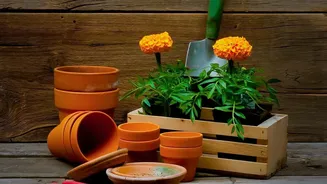
No Indian festival feels complete without the cheerful presence of marigolds. These flowers are not just beautiful but also incredibly easy to grow, making them perfect for beginners. Sowing seeds in early October ensures you have bright blooms for Diwali
and through the winter. Choose a pot that is at least 8-10 inches wide and has good drainage holes. Marigolds love the sun, so place your pot in a spot that receives at least 5-6 hours of direct sunlight. A good potting mix can be made with equal parts garden soil, compost, and cocopeat or sand to ensure it's well-draining. Sow the seeds about half an inch deep, keep the soil moist, and you should see sprouts within a week. Once the plant is a few inches tall, you can pinch off the top tip to encourage it to grow bushier, leading to more flowers.
Festive Charm of Chrysanthemums (Guldaudi)
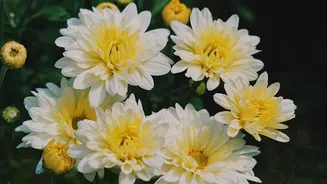
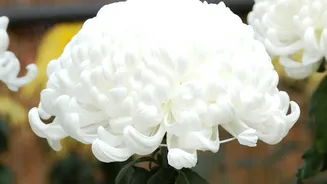
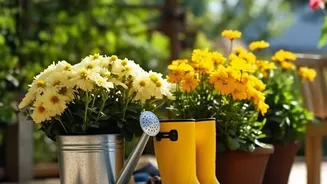
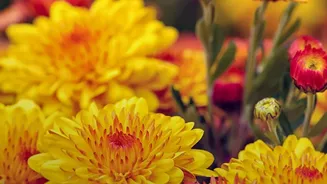
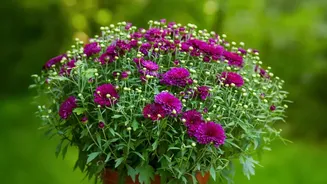
Chrysanthemums, or Guldaudi, are another winter favourite, known for producing dozens of flowers on a single plant. While you can grow them from seeds, it is often easier to start with a small plant from a local nursery. October is the prime growing and flowering period. These plants bloom best in cool weather and require about 5-6 hours of sunlight daily, with morning sun being ideal. Plant them in a 10-12 inch pot with a rich, loose, and well-draining soil mix. A combination of red soil, cocopeat, and compost works well. The key to caring for chrysanthemums is to avoid waterlogged soil. Water only when the top inch of the soil feels dry. Overwatering can quickly lead to root rot. To get a fuller plant with abundant flowers, pinch off the growing tips when the plant is about 6 inches tall.
Healthy Harvest of Winter Spinach (Palak)
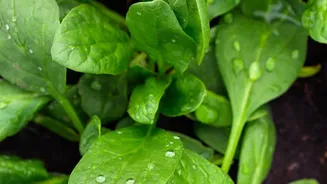
Imagine stepping out to your balcony to harvest a fresh bunch of spinach for your meal. Growing palak in pots is surprisingly simple and highly rewarding. Since spinach has shallow roots, a wide container that is 6-8 inches deep is sufficient. You can even use rectangular planters to grow several plants together. The ideal soil should be rich in organic matter and drain well. A mix of garden soil, compost, and a little sand is a good start. Sow the seeds about half an inch deep, ensuring a space of at least 3-4 inches between them to allow the leaves to grow well. Keep the soil consistently moist but not soggy, as overwatering can be a problem. Place the pot in a spot that gets partial to full sun. In about four to six weeks, you can start harvesting the outer leaves, and the plant will continue to produce more.
Essential Care for Your Potted Garden
Regardless of what you plant, a few basic rules will ensure your pot garden thrives. First, ensure every pot has drainage holes at the bottom to prevent water from stagnating. Second, a good quality potting mix is crucial. For flowering plants, a mix of garden soil, compost or vermicompost, and cocopeat works wonders. For vegetables, a slightly richer mix with more compost is beneficial. Water your plants in the morning, allowing them to absorb moisture throughout the day. Check the soil with your finger; if the top inch is dry, it's time to water. Finally, keep an eye out for common pests. A simple spray of neem oil solution can help manage most issues effectively. Removing dried or spent flowers, a practice known as 'deadheading', encourages plants like marigolds and chrysanthemums to produce more blooms.