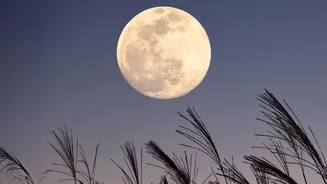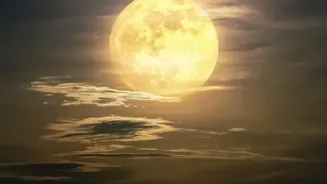




What Exactly Is the Harvest Moon?
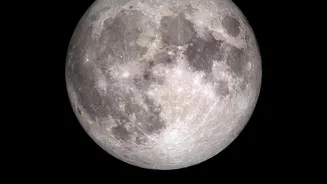
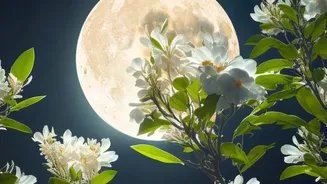
The Harvest Moon is not just any full moon; it's the full moon that occurs closest to the autumnal equinox, which marks the start of autumn in the Northern Hemisphere. Its name has a rich history, dating back to a time before electricity. Farmers, needing
to bring in their crops before the winter frosts, relied on the moon's bright light to extend their workdays into the night. This lunar event provided several evenings of bright moonlight right after sunset, which was crucial for gathering the harvest. For this reason, it's also sometimes referred to as the Corn Moon or Barley Moon, depending on the local crops and traditions.
The Best Time to Watch in India
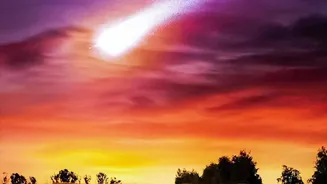
For skywatchers in India, mark your calendars for Saturday, September 26, 2026. The moon will reach its peak illumination at 10:19 PM IST. This peak moment occurs during the night for India, offering an excellent opportunity to see it at its brightest. However, the beauty of the Harvest Moon isn't limited to a single moment. It will appear impressively full on the night of September 26 and into the early hours of September 27. To get the most dramatic view, try watching as the moon rises on the evening of the 26th, when it will appear large and colourful near the horizon.
The Harvest Moon Effect
What makes the Harvest Moon truly special is a phenomenon known as the 'Harvest Moon effect'. Normally, the moon rises about 50 minutes later each night. But for several days around the autumnal equinox, this time difference shrinks to as little as 25 to 30 minutes. This happens because the moon's orbital path makes a shallower angle with the horizon at this time of year. The result is a series of nights where a bright, nearly full moon rises around the same time as sunset, creating the effect of extended twilight and bathing the landscape in a golden glow.
Finding the Perfect Viewing Spot
While you can see the moon from almost anywhere, your location can make a big difference. The key is to find a spot with a clear view of the eastern horizon, as this is where the moon will rise. For the most impressive experience, try to get away from bright city lights. Light pollution can wash out the sky and diminish the moon's brilliance. Consider heading to a local park, an open field, or even a rooftop with an unobstructed view. A location away from tall buildings and trees will ensure you don't miss the magical moment of moonrise.
Essential Viewing Conditions and Gear
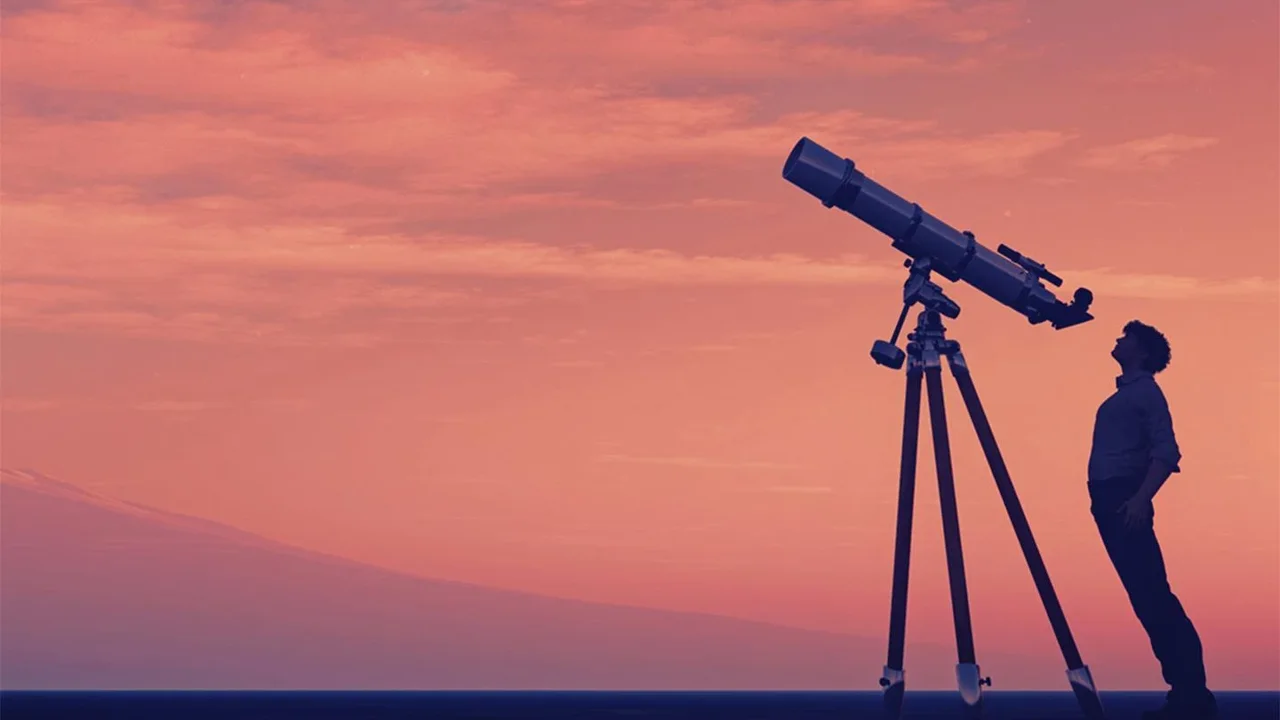
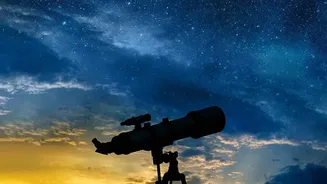
The most important factor for any stargazing event is clear skies. Before you head out, be sure to check your local weather forecast for cloud cover. Haze and pollution can also affect visibility, often giving the moon a reddish or orange tint when it's low on the horizon. The good news is that you don’t need any special equipment to enjoy the Harvest Moon. Its beauty is easily visible to the naked eye. However, if you have a pair of binoculars or a basic telescope, you can get a more detailed look at the lunar surface. Even a smartphone camera can capture lovely images, especially during the colourful moonrise.
A Bonus Celestial Guest
This year's Harvest Moon comes with an added treat for observers. The planet Saturn will be visible in the night sky, appearing near the moon. Shortly after the moon rises, you should be able to spot the ringed planet as a bright, steady point of light. While the moon itself will be in the constellation Pisces, this planetary pairing adds another layer of wonder to the evening's sky-watching session, visible even without a telescope.