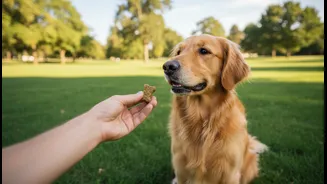









The Old Wisdom: A Pet for a Healthier Life
For decades, the conventional wisdom, supported by a wealth of studies, has been clear: owning a pet is good for you. Research has linked pet ownership to a host of benefits, from better cardiovascular health to reduced loneliness. Pet owners are often
found to have lower blood pressure and cholesterol, and a higher survival rate after heart attacks. Beyond the physical, the companionship of a pet provides emotional support, encourages a sense of responsibility, and can even strengthen social ties within a community as owners walk their dogs and interact with others. This established view positioned the full-time, long-term relationship of ownership as the primary way to access the profound benefits of the human-animal bond.
A New Wave of Scientific Inquiry
Now, scientists are asking a different, more nuanced question. What about the millions who love animals but cannot own one due to lifestyle, housing constraints, or financial reasons? This has spurred a new line of inquiry into Human-Animal Interaction (HAI), focusing not on the long arc of ownership, but on the potent effects of momentary contact. Researchers are exploring what happens, both psychologically and physiologically, during brief, casual interactions—like those you might have at a university stress-relief event or by simply stopping to pat a friendly dog on the street.
The Power of a Ten-Minute Interaction
The findings from this emerging field are compelling. Multiple studies have shown that even short-term interactions with animals can produce significant and measurable physiological changes. One of the most cited findings is the rapid reduction in cortisol, the body's primary stress hormone. A landmark study found that just ten minutes of hands-on petting of a dog or cat resulted in a significant drop in students' cortisol levels. This effect was specific to physical contact; groups that only watched the animals or viewed pictures did not experience the same benefit. This suggests that the simple, tactile act of stroking an animal can quickly soothe our body's stress response system.
More Than Just a Mood Boost
The benefits extend beyond just stress reduction. These brief interactions also trigger the release of oxytocin, often called the 'love hormone' or 'bonding hormone'. Oxytocin plays a key role in social bonding, trust, and emotional regulation. When you pet an animal, your brain releases this powerful neuropeptide, which helps you feel calmer, happier, and more connected. Some studies have found that this can also lead to a decrease in heart rate and blood pressure, providing a moment of genuine physiological calm. The combination of falling cortisol and rising oxytocin creates a powerful, positive neurochemical cocktail, all from a simple, fleeting interaction. This isn't just a vague 'feel-good' moment; it's a tangible biological event.
Good News for Urban India
This research is particularly relevant in the context of modern India, where city living often presents barriers to pet ownership. Limited apartment space, long working hours, and the financial commitment of pet care can make it challenging for many animal lovers to have a pet of their own. The new findings are empowering, suggesting that the health-enhancing benefits of animals are not exclusive to owners. You can get a dose of well-being from visiting a friend's pet, spending time at one of the growing number of animal cafes, or even carefully and safely interacting with community animals. It democratises the human-animal bond, turning it from a lifestyle choice into an accessible, momentary wellness tool available to almost everyone.