






The New Cost of a Cheap Ticket
For decades, the golden rule of booking a flight was simple: find the lowest possible price. Travelers dutifully used comparison websites, tracked fares, and pounced on deals. But a series of high-profile operational meltdowns, seasonal travel chaos,
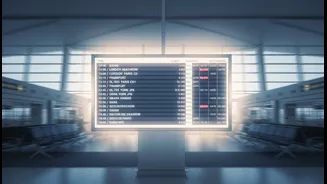
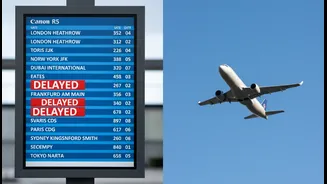
and widespread delays have introduced a new variable into the equation: the cost of uncertainty. An overwhelming majority of travelers now anticipate disruptions when they fly. A May 2026 survey found that 89% of American travelers were bracing for flight delays or cancellations during the summer season, reflecting a significant erosion of confidence. This anxiety is reshaping behavior. The true cost of a ticket is no longer just the price paid at checkout; it's the risk of a cancelled flight, a missed connection, or a multi-day travel nightmare.
From Price-Driven to Predictability-First
While price still matters, its dominance is waning. A June 2026 survey by Sogolytics confirmed that while 50% of travelers cite ticket price as a top factor, attributes like reliability and ease are the real drivers of loyalty and repeat business. The study highlighted that the two cheapest carriers had wildly different loyalty scores, proving that fare alone doesn't keep customers coming back. Experience, particularly how an airline handles disruptions, is what truly counts. In fact, nearly twice as many travelers who experienced a disruption became more loyal after it was handled well than became less loyal after a poor recovery. This indicates a fundamental shift: passengers are moving from being pure price hunters to savvy riskAssessors, where a predictable journey is a premium worth paying for.
What's Behind the Reliability Crisis?
The current focus on reliability isn't happening in a vacuum. The entire aviation system is under immense pressure. Airlines are grappling with a combination of factors including congested airspace, air traffic control constraints, and unpredictable weather events that challenge network stability. Some carriers have seen their on-time performance (OTP) drop significantly. For instance, Southwest Airlines, once a leader in punctuality, saw its OTP decline from nearly 80% in January 2026 to around 65% by June 2026. While some airlines choose to delay flights to ensure they are eventually completed, this still results in passenger frustration and a loss of confidence. With planes flying at record-full capacities, a single cancellation can have a cascading effect, leaving few rebooking options and turning a minor disruption into a major travel headache for passengers.
How Travelers Are Taking Control
In response, travelers are becoming more data-savvy. Rather than relying on brand loyalty, they are turning to objective data to make informed choices. Monthly on-time performance reports from analytics firms like OAG and Cirium are no longer just industry jargon; they are becoming practical tools for consumers. These reports allow travelers to compare the recent punctuality of different airlines, helping them make a tie-breaking decision between two similarly priced options. Knowing that one carrier consistently has a lower cancellation rate or a better on-time arrival stat can be the deciding factor. This shift forces airlines to recognize that operational performance is not just a logistical metric but a key part of their public reputation and a driver of consumer choice. When things go wrong, passengers overwhelmingly want to speak to a person, not just interact with an app, underscoring the importance of customer service in moments of crisis.