



More Than Just Fabric
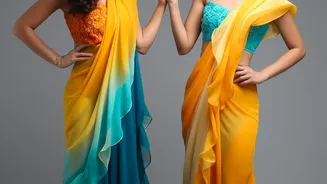
A saree is rarely just a piece of cloth; it is a tapestry of memories, emotions, and heritage. From a mother’s wedding silk to a grandmother's favourite cotton, these garments are often stored away in trunks, too valuable to be thrown out but too dated
or delicate to be worn. Upcycling provides a powerful alternative to letting them gather dust. By transforming them into functional items like curtains, you are not just reusing fabric but giving these stories a new stage. This practice extends the life of the garment, allowing its beauty and the memories attached to it to be appreciated daily in a new, modern context.
A Blend of Old and New
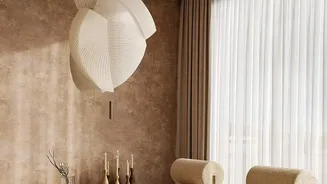
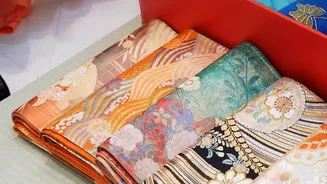
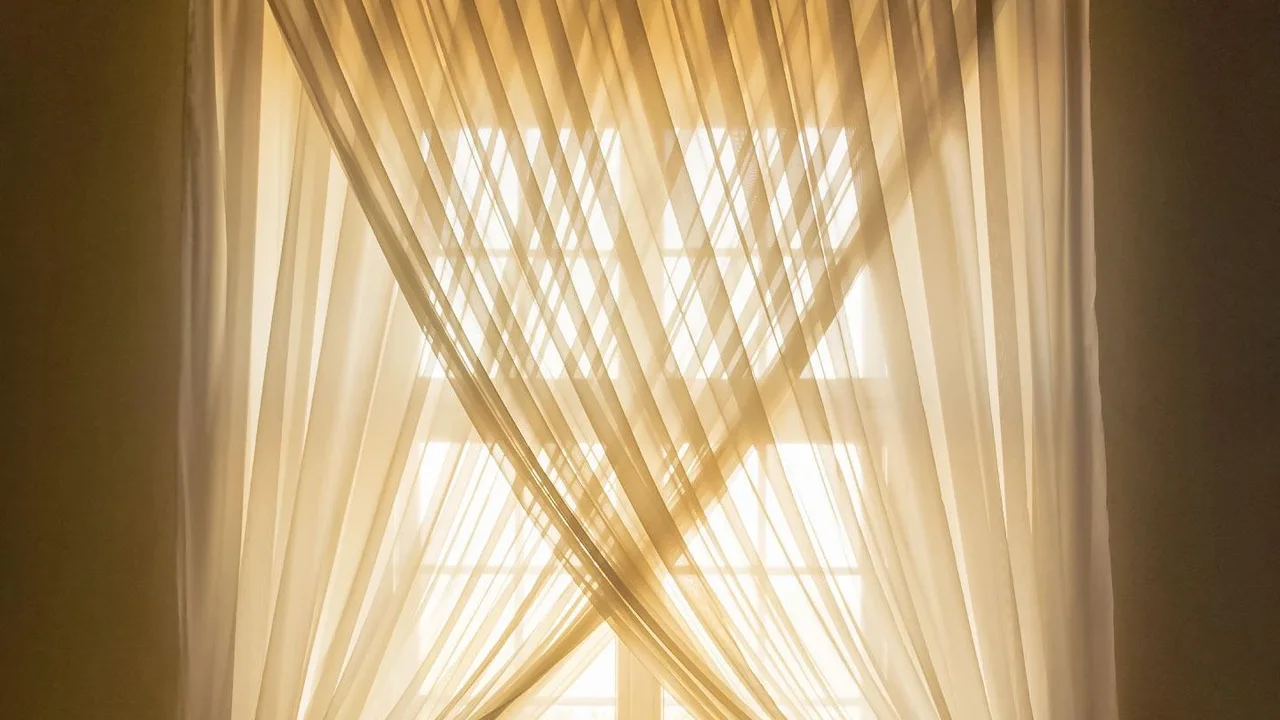
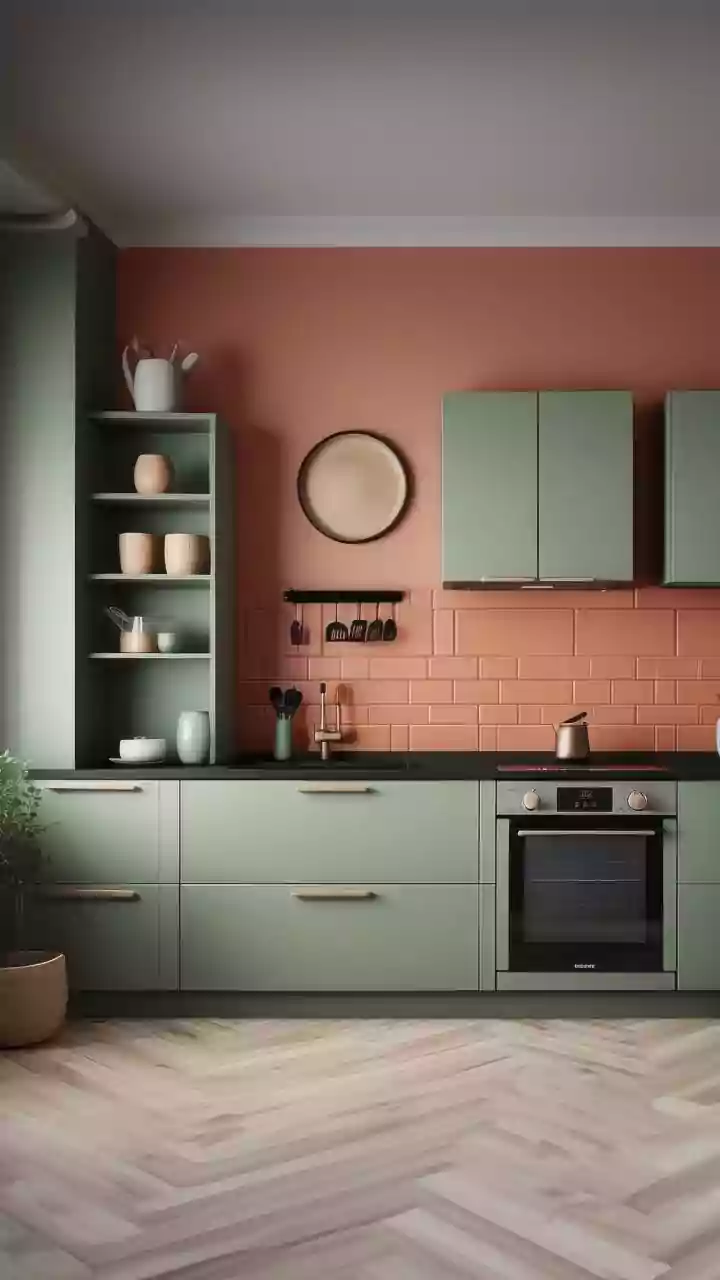
The true genius of saree drapes lies in their ability to bridge the gap between traditional aesthetics and contemporary interior design. The rich colours, intricate weaves, and unique patterns of a saree—from a vibrant Bandhani to an elegant Kanjeevaram—can introduce a pop of colour and texture that mass-produced curtains rarely achieve. When hung against a modern, minimalist wall, a silk saree curtain becomes a stunning focal point. Lighter fabrics like chiffon or georgette can act as sheer curtains, diffusing sunlight to create a soft, ethereal glow in any room, adding a touch of elegance and tradition.
The Sustainable Choice
In an era of increasing environmental consciousness, choosing upcycled decor is a significant step towards sustainable living. The textile industry is a major contributor to landfill waste, and reusing existing materials helps reduce this burden. By repurposing an old saree, you are participating in a circular economy, minimizing the demand for new resources and the carbon footprint associated with producing new fabrics. It’s a creative and personal way to embrace eco-friendly practices in your own home, turning something old into a statement of conscious, stylish living.
Choosing the Right Saree
While the idea is romantic, practicality is key. Not all sarees are created equal when it comes to being curtains. Sturdier fabrics like cotton, crepe, and some art silks are ideal as they hang well and are durable. Lighter fabrics such as georgette and chiffon make beautiful sheer curtains but may require a lining for privacy or to protect them from direct, harsh sunlight. Heavily embellished or embroidered sarees can be used for more festive or decorative drapes, perhaps as a valance over a plain curtain, though their weight should be considered. Always check the fabric for damage or stains before you begin your project.
From Saree to Curtain
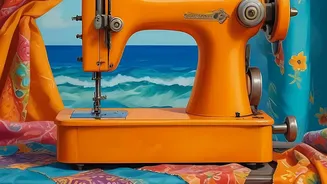
The transformation can be a simple DIY project or a job for a local tailor. The process typically involves measuring your windows, deciding on the length, and stitching the panels. For sarees with beautiful 'pallus' or borders, you can strategically cut and sew the fabric to highlight these features. Adding a cotton lining is often recommended, especially for silk or delicate sarees, as it adds weight for a better fall and protects the fabric from sun damage. You can create loops at the top to slide onto a curtain rod or use curtain rings for a more polished look. Some people even join multiple sarees of contrasting or complementary colours to create a unique patchwork effect.