





A Religion With a Billion Followers
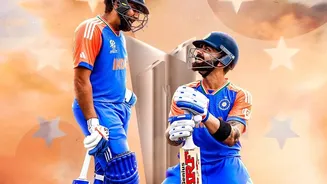
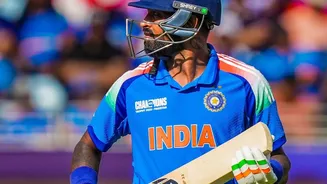
In India, to call cricket a religion is not hyperbole; it is a statement of fact. It is a common language spoken across thousands of dialects, a shared ritual practiced in sprawling cities and remote villages. When the Indian team plays, life pauses.
Streets empty, shops pull down their shutters, and families huddle around screens, united by a singular hope for victory. This devotion transcends the boundaries of caste, creed, and economic status. In the stadium, the corporate CEO and the daily wage earner roar for the same six, their identities momentarily erased, replaced by the simple, powerful label of 'Indian fan'. The game provides a space where societal hierarchies dissolve, replaced by a collective emotional investment that is felt from Kashmir to Kanyakumari.
The Great Equalizer: From Gully to Glory
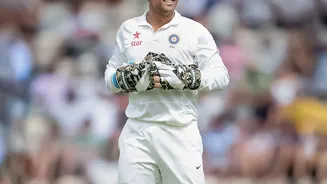
The unifying power of cricket starts long before the international stadium. It begins in the narrow bylanes, or 'gullies', of every neighbourhood. Gully cricket is an institution in itself, with its own unwritten rules and makeshift equipment—a brick for a wicket, a slipper for a crease line. Here, children from all walks of life play together, learning teamwork and sportsmanship. This grassroots culture is the bedrock of India's cricket obsession, nurturing a love for the game in its purest form. It’s also a powerful symbol of opportunity. The journey of players like M.S. Dhoni, from a small town to captaining the national team, becomes an inspirational narrative for millions, reinforcing the idea that talent, not background, is what truly matters. This journey from the gully to the global stage is a potent metaphor for modern India's aspirations.
Forging a Nation on 22 Yards
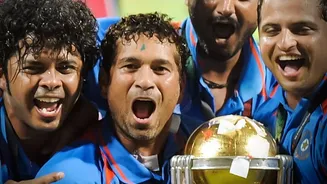
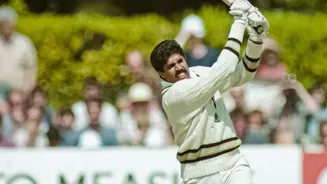
Cricket has been intertwined with India's national identity since independence. While introduced by the British, India took the sport and made it its own, turning it into a platform for national assertion. The 1983 World Cup victory stands as a pivotal moment in the nation's history. Underdog India, led by Kapil Dev, defeating the formidable West Indies at Lord's was more than a sporting triumph; it was a declaration of arrival on the world stage. It instilled a sense of self-belief in a young nation, proving that it could compete with and beat the best. The 2011 World Cup victory on home soil further cemented this, becoming a celebration of a new, confident, and globally influential India. These victories are not just logged in scorebooks; they are etched into the collective memory of the nation.
A Symphony of Shared Emotions
The bond forged by cricket is most visible in the shared emotions it evokes. The explosion of joy, with people dancing on the streets after a major win, is a sight to behold. It is a spontaneous, nationwide festival that needs no invitation. Conversely, the stunned silence that blankets the country after a heartbreaking loss is just as unifying. A billion hearts break at once, a shared sorrow that strengthens the collective bond. This emotional synchronicity is rare in a country of such immense diversity. Whether celebrating a player's century or debating a captain's strategy, these conversations happen in every office, tea stall, and family gathering, creating millions of points of connection every day. This shared experience, this feeling of being part of something bigger than oneself, is the essence of cricket's unifying power.