





Diwali's festive lights and joyous gatherings are a highlight of the year. But the accompanying spike in air pollution poses an invisible threat, especially to our children. How can we balance celebration with their safety?
Understanding the Invisible Threat: PM2.5
During Diwali, the air often
becomes thick with a smoky haze. A major component of this is PM2.5, which stands for particulate matter measuring 2.5 micrometres or less—so small that these particles can travel deep into the lungs and enter the bloodstream. Firecracker smoke is a primary source of this pollution, releasing a cocktail of toxic chemicals and fine dust. Combined with other sources like traffic and stubble burning, PM2.5 levels can skyrocket, often doubling or tripling overnight and reaching 'Severe' ratings that far exceed safe limits set by health organizations.
Why Children Are Uniquely Vulnerable
Children are not just small adults; their bodies are uniquely susceptible to air pollution. They breathe more rapidly than adults, inhaling a larger volume of pollutants relative to their body weight. Their lungs and immune systems are still developing, making them more prone to damage from inhaled particles. Furthermore, because they are shorter, they are closer to the ground where some pollutants are more concentrated. Their tendency to breathe through the mouth during active play also bypasses the natural filtering mechanism of the nose, allowing more harmful particles to penetrate deep into their lungs.
Recognizing the Warning Signs of Exposure
The effects of pollution aren't always dramatic. Initial symptoms can be subtle and easily missed. Parents should watch for persistent coughing, especially at night, a runny or stuffy nose, and itchy or watery eyes. More serious signs include wheezing, shortness of breath, chest tightness, or unusual fatigue after playing outside. For children with pre-existing conditions like asthma, exposure can trigger severe attacks, increasing hospital admissions during this period. Studies show a 30-40% rise in respiratory ailments across all age groups during Diwali.
Check the Air Quality Index (AQI)
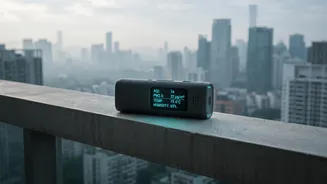
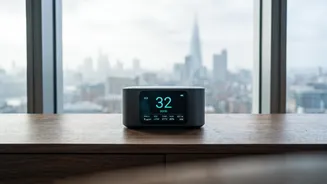
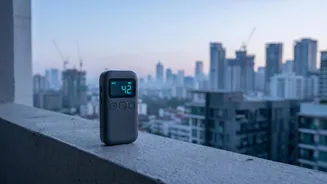
Before letting children play outside, make it a habit to check the local Air Quality Index (AQI). Apps like the CPCB's 'SAMEER' provide real_time data. The AQI is a simple, colour_coded guide to air safety. Generally, an AQI above 100 is considered unhealthy for sensitive groups, which includes all children. When the AQI enters the 'Unhealthy' range (151–200), all children should limit strenuous outdoor activity. On days with 'Very Unhealthy' or 'Hazardous' readings (above 200), it is safest for children to remain indoors as much as possible.
Smart Strategies for Safer Outdoor Play
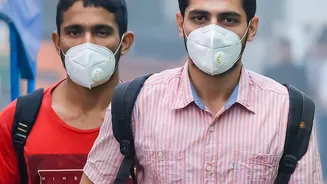
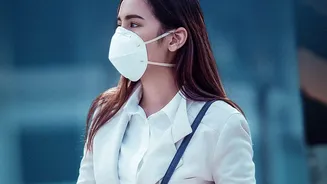
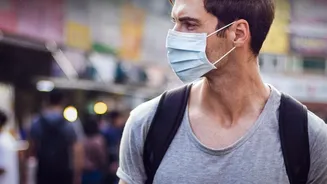
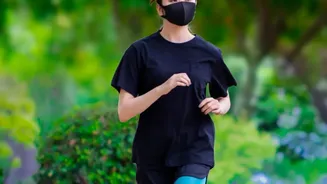
On days with high pollution, timing is everything. Plan outdoor activities for earlier in the day when pollution levels are typically lower. The worst air quality is often recorded late at night and in the early morning following Diwali celebrations. If children must be outside during peak pollution hours, ensure they wear a well–fitting N95 mask, which can filter out fine particles. However, masks are not recommended for children under two years old; for them, avoidance is the best strategy. Also, encourage them to stay well–hydrated, as this helps the body flush out toxins.
Create a Clean Air Sanctuary at Home
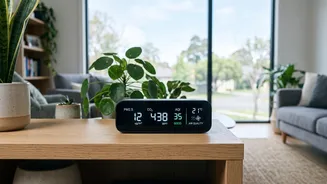
Your home can be a safe haven from outdoor pollution. Keep doors and windows firmly closed, especially during the evenings when firecracker use is at its peak. Using an air purifier with a HEPA filter, particularly in the room where your child sleeps, can significantly reduce indoor PM2.5 levels. Avoid adding to indoor pollution by refraining from using incense sticks (agarbatti) or dhoop in enclosed spaces. Creating one designated 'clean room' can ensure your child has a safe space to breathe easily throughout the festive period.