



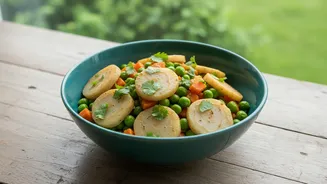
A Hearty Mixed Dal
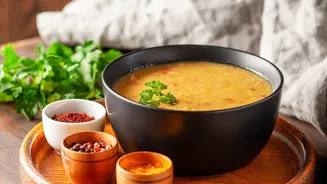
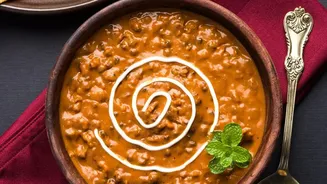
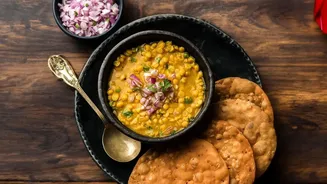
A pot of dal is the cornerstone of Indian comfort food, and it’s exceptionally well-suited for batch cooking. During the monsoon, a robust mixed dal made with toor, masoor, and moong lentils provides a fantastic protein boost. Cooking a large batch is barely
more effort than cooking a small one. Simply increase your water, lentils, and spices. The key is in the tempering (tadka). You can prepare a large pot of plain boiled dal with turmeric and salt, then store it in the refrigerator for up to four days. Each day, you can create a fresh tadka with different ingredients like garlic, cumin, or dried red chillies, giving you a slightly different flavour profile with minimal effort. This approach keeps the dal tasting fresh and prevents it from becoming monotonous.
Versatile Masala Khichdi
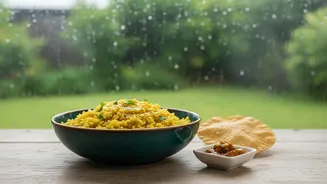
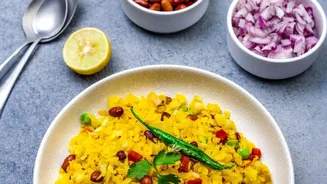
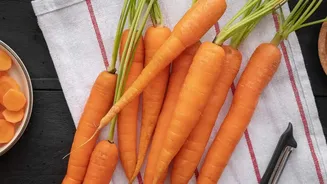
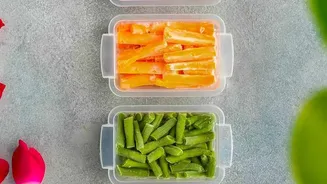
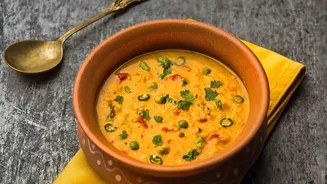
Khichdi is the quintessential meal for gloomy, rainy days. It’s light on the stomach, easy to digest, and deeply nourishing. Making it in a large batch is as simple as using a bigger pot. To make it a complete meal, add a variety of chopped monsoon-friendly vegetables like carrots, peas, and beans. Turmeric, a key ingredient, has anti-inflammatory properties that are beneficial during a season when infections are common. A large batch of masala khichdi can be stored in the fridge and tastes just as good, if not better, the next day. Reheat it with a dollop of ghee and serve with a side of yogurt or pickle for a quick, wholesome meal that feels like a warm hug. It is a one-pot wonder that saves time on both cooking and cleaning up.
Nourishing Mixed Vegetable Sabzi
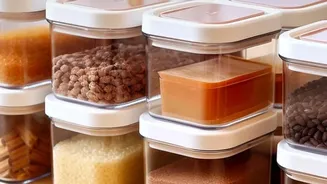
While leafy greens are often avoided during the monsoon due to mud and pests, gourds and root vegetables are plentiful. A mixed vegetable sabzi using ingredients like bottle gourd (lauki), potatoes, carrots, and pumpkins is an excellent choice for batch cooking. These vegetables hold their texture well after refrigeration. You can prepare a large quantity of the base masala (onion, tomato, ginger-garlic paste) and then cook the vegetables until they are just tender. Stored in an airtight container, this sabzi can last for a good 2-3 days. It can be paired with rotis one day and served as a side with dal and rice the next, offering variety and ensuring your family gets a healthy dose of vegetables.
Immunity-Boosting Rasam or Shorba
A warm, spicy soup is perfect for warding off monsoon chills and infections. South Indian rasam and North Indian shorba are both brilliant for making in bulk. A classic tomato or pepper rasam is loaded with ingredients like tamarind, black pepper, and garlic, which are known to aid digestion and boost immunity. Similarly, a tomato shorba provides a healthy dose of Vitamin C. These soups can be prepared in large quantities and stored in the refrigerator. They can be enjoyed as a light appetizer before a meal or consumed on their own as a comforting evening beverage. You can even freeze portions in individual containers for a quick soup fix anytime you need it. Simply thaw, heat, and serve.
Ready-to-Use Besan Chilla Batter
Batch cooking doesn't always have to mean a finished dish. Sometimes, it's about prepping components to make fresh meals faster. A batter for besan chilla (spiced gram flour pancakes) is a prime example. You can prepare a large batch of the batter by mixing besan with spices like turmeric, ajwain (carom seeds), and red chilli powder. Store this thick batter in an airtight container in the fridge for up to three days. When you need a quick breakfast or snack, just take out the required amount, add water to get the right consistency, mix in finely chopped onions, tomatoes, and coriander, and make fresh, hot chillas. It’s a healthy, protein-packed option that takes minutes to cook once the batter is ready.