






Pack Smart, Not Just Light
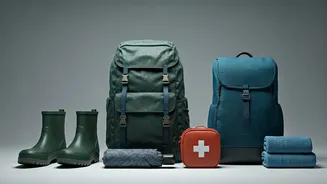
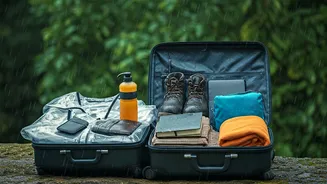
Monsoon packing is a science. Prioritise function over fashion to stay comfortable. Opt for lightweight, synthetic, and quick-drying clothes like polyester blends, as cotton and denim stay damp for ages in the humidity. [3, 19] Darker colours are a practical
choice to hide inevitable mud splashes. When it comes to footwear, leave the leather and canvas shoes at home. Instead, pack waterproof sandals or floaters with a good grip to navigate slippery streets. [3, 4] A sturdy, foldable umbrella and a lightweight raincoat are non-negotiable. [4] To protect your valuables, invest in a waterproof backpack or at least a reliable rain cover. [4, 26] Use zip-lock pouches or dry bags for your electronics, passport, and cash. [2, 13]
Prioritise Your Health and Hygiene
The monsoon increases the risk of water-borne diseases and other infections. [7, 24] Be extra cautious about what you eat and drink. Avoid street food, especially pre-cut fruits and anything raw, as tempting as it may be. [5, 23] Stick to freshly cooked hot meals and drink only bottled or purified water. [7, 16] Carry a hand sanitiser and use it frequently, especially before eating. [7] Mosquitoes are another major concern during this season, so a good insect repellent is essential. [3, 7] It’s also wise to pack a basic first-aid kit containing medication for common ailments like fever, cough, and stomach upsets, along with antiseptic cream and bandages. [3, 19]
Navigate Transportation Like a Pro
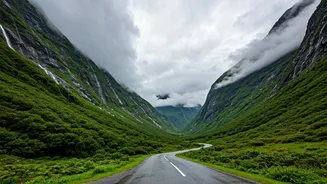
Monsoon means delays are almost a certainty. [5] Heavy rains can lead to flooded roads, traffic congestion, and disruptions in flight and train schedules. [8, 12, 17] The key is to build buffer time into your itinerary. [5, 13] Plan for at least two to three extra hours for transfers and connections. [5] If you're planning a road trip, especially in hilly areas, avoid travelling at night as the risk of landslides increases. [5, 26] Before heading out each day, check reliable weather apps and local news for updates on road conditions and potential blockages. [5, 16] Whenever possible, opt for elevated metro or rail services, as they tend to be more reliable during heavy downpours. [12]
Choose Your Destination Wisely
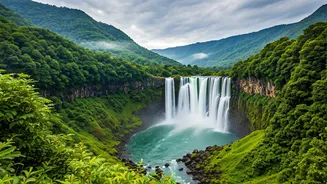
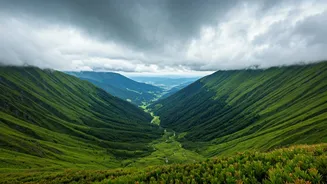
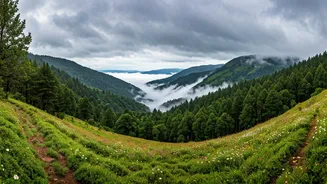
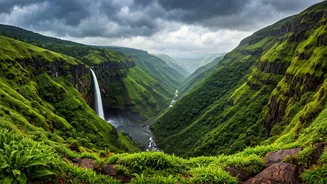
Not all destinations are created equal in the monsoon. While some places become hazardous, others come alive. Hill stations in the Western Ghats like Munnar in Kerala, Coorg in Karnataka, and Lonavala in Maharashtra are spectacular, with lush landscapes and gushing waterfalls. [2, 9, 11] Cherrapunji in Meghalaya, one of the wettest places on earth, offers a dramatic and otherworldly experience for true rain lovers. [2, 6] However, it's generally best to avoid the Himalayan foothills in states like Uttarakhand and Himachal Pradesh, where landslides are a common danger during this season. [18] If you want to avoid the rain altogether, consider destinations in the rain shadow region, such as Ladakh or Spiti Valley. [6, 18]
Embrace the Monsoon Mindset
Ultimately, the best way to reduce stress is to adjust your expectations. Travel during the monsoon is often slower and less predictable. Instead of getting frustrated by a cancelled plan or a sudden downpour, embrace the opportunity to slow down. [28] Choose accommodations with great views and cosy indoor spaces where you can enjoy a hot cup of chai while watching the rain. [2] Pack a book or download movies for those inevitable moments when you're stuck indoors. [27] Look for indoor attractions like local museums or cafes. [27] The monsoon has a unique charm; by being prepared and flexible, you can fully enjoy its rejuvenating spirit without letting the challenges overwhelm your trip. [26]