






The Philosophy of 'Mise en Place'
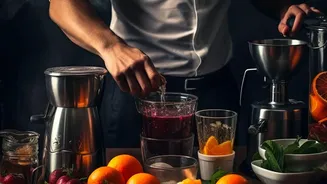
In the world of professional cooking, there is a foundational concept that precedes any flame or flavour: 'mise en place'. This French term, meaning 'everything in its place', is the chef's first commandment. Before the first order is fired, cooks spend
hours prepping—chopping vegetables, measuring spices, portioning proteins, and arranging their tools. This isn't just about being organised; it's a philosophy of readiness that separates amateurs from professionals. Applying this to your own projects, whether a dinner party or a work deadline, means doing the thinking and preparation upfront. It transforms a frantic scramble into a calm, controlled process. By preparing your environment and your components first, you free up your mental energy to focus on execution when the pressure is on.
Your Workflow is the Real Recipe
A good recipe tells you what to do, but a great workflow tells you how and when to do it. Professional kitchens are designed around an optimized flow of people, food, and information to prevent congestion and delays. The journey from raw ingredient storage to a finished plate is a carefully choreographed dance. Think of your own complex tasks in the same way. The sequence of your actions matters immensely. Instead of jumping between unrelated tasks, structure your work to minimise movement and mental friction. Group similar activities together—a practice known as 'batching'. A well-designed workflow aims to make each step flow logically into the next, creating a rhythm that builds momentum rather than a series of disjointed, energy-sapping actions.
Thinking Like a Systems Conductor
A head chef doesn't just cook; they lead and orchestrate an entire system. They manage people, coordinate timing, and ensure dozens of moving parts work in harmony. This requires 'systems thinking'—the ability to see the big picture and understand how all the individual components interact. Instead of just focusing on the steak, the chef is thinking about the steak's timing relative to the sauce, the vegetables, and the other 50 orders on the board. In your life, this means stepping back from individual to-do list items and seeing the interconnected whole. How does finishing one task affect the next? What dependencies exist? Effective leaders in any field, from kitchens to corporate offices, don't just manage tasks; they manage the system within which those tasks exist.
Mastering Time and Temperature
Beyond the literal cooking context, 'time and temperature' are metaphors for managing resources and pressure. In a kitchen, a chef is constantly managing the clock and various heat levels. This skill is about prioritisation and control. What needs your immediate, high-intensity focus, and what can be left to simmer on low heat? What task needs to be done now to ensure another can be completed on time later? This constant juggling is not chaotic multitasking. Instead, it’s a form of deliberate task-switching guided by a clear plan. Great time managers, like great chefs, know how to allocate their attention effectively, turning up the heat on one priority before moving to the next, ensuring nothing gets burned.