

A specialized delivery has just returned from orbit, splashing down not with astronauts, but with precious cargo for scientists. The SpaceX Dragon capsule's latest mission brings back a treasure trove of biological research from space.
A Special Delivery From Orbit
SpaceX's Dragon
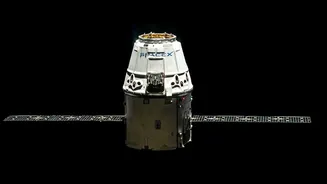
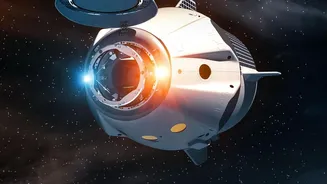
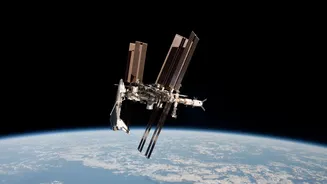
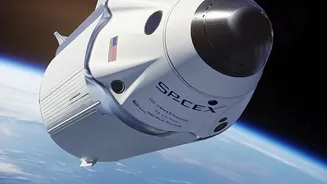
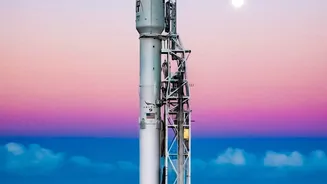
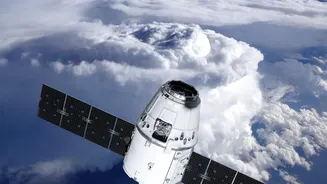
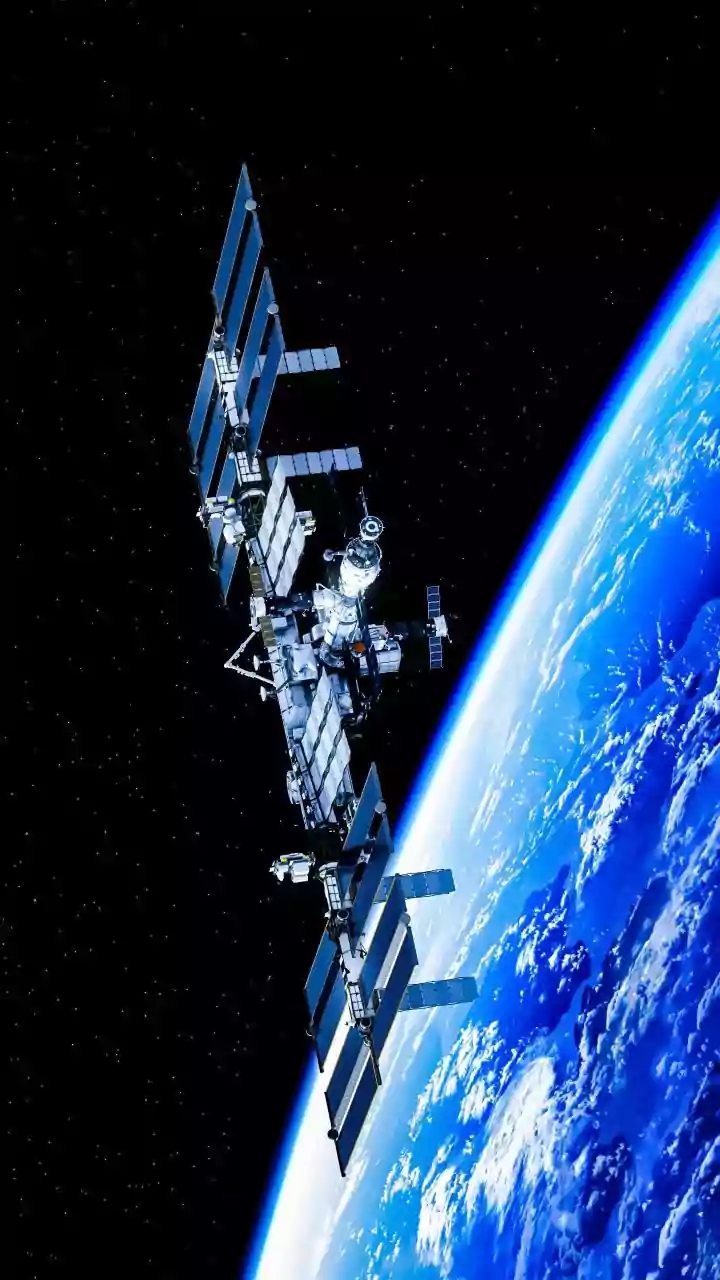
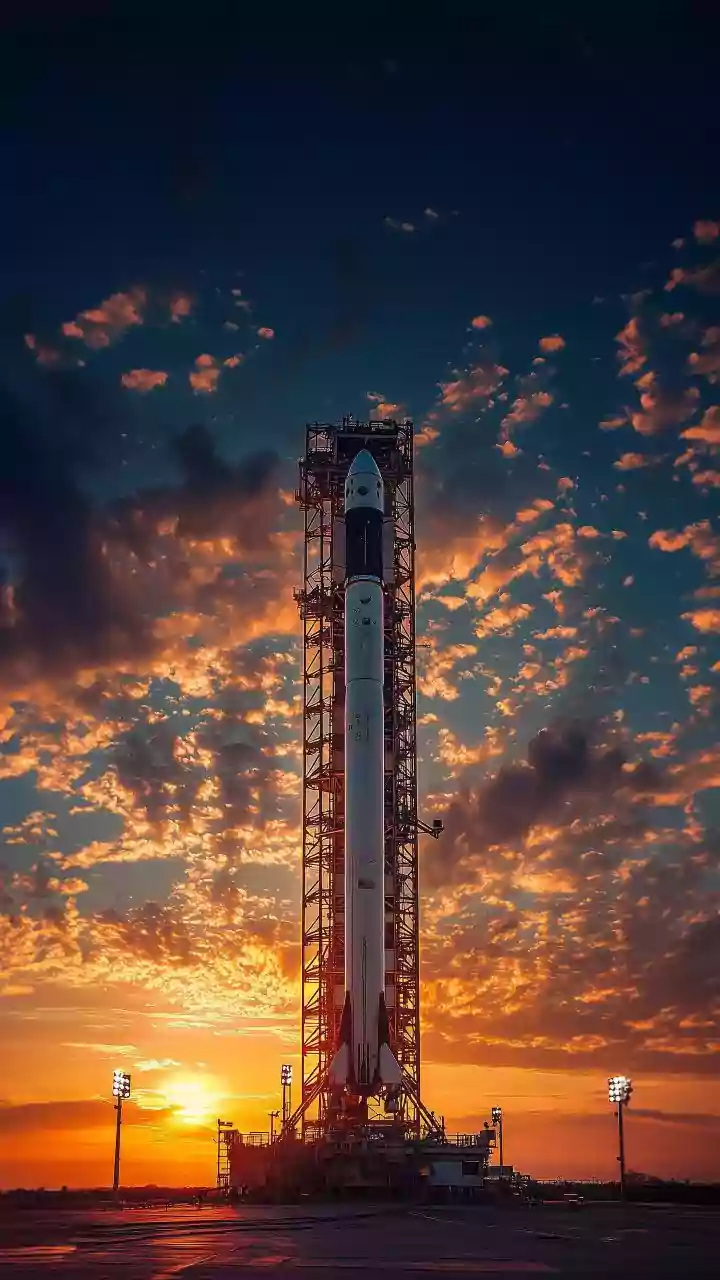
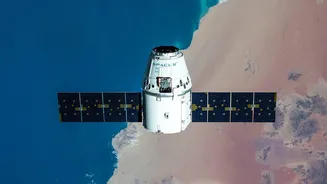
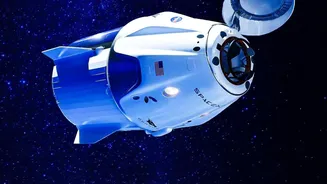
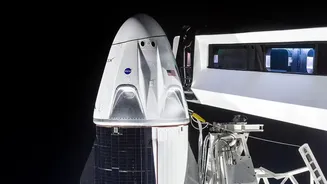
capsule successfully completed its 35th Commercial Resupply Services (CRS) mission for NASA, splashing down in the Pacific Ocean on November 21. The uncrewed spacecraft undocked from the International Space Station (ISS) a day prior, carrying invaluable scientific experiments. Unlike other cargo vehicles that burn up on reentry, the Dragon is designed for safe return, making it a crucial component of modern space-based research. This mission, which began with a launch from Florida on October 13, delivered over 6,300 pounds of supplies to the ISS and has now brought the results of weeks of orbital experiments back to Earth for analysis.
Why Grow Cells in Space?
Growing biological samples in space might seem strange, but the microgravity environment of the ISS offers a unique advantage. On Earth, gravity's constant pull affects how cells grow and interact. In space, this force is virtually eliminated, allowing cells to assemble into three-dimensional structures that more closely mimic how they grow inside the human body. This 3D growth provides scientists with a more accurate model for studying diseases and testing new drugs. Processes like aging, muscle loss, and bone density reduction appear accelerated in microgravity, giving researchers a powerful tool to study these conditions on a compressed timeline.
Inside the Orbital Laboratory
The CRS-35 mission returned several key experiments poised to advance human health. Among the cargo were frozen tumor organoids—small, lab-grown models of cancerous tumors. These were treated with experimental drugs on the ISS, and scientists will now study them to see how they responded, potentially leading to improved cancer therapies. The capsule also carried a 3D-bioprinted blood vessel construct, created on the station to help researchers investigate cardiovascular disease and the aging process. Additionally, frozen microbial samples were returned to help scientists understand how antibiotic-resistant bacteria evolve in space, a critical issue for astronaut health and for combating superbugs on Earth.
A Race Against Time on Earth
The mission doesn't end at splashdown. For many of the biological samples, the return to Earth begins a race against the clock. Once back in Earth's gravity, the unique properties observed in the cells can begin to change. A specialized team was on hand to retrieve the Dragon capsule and quickly transport its time-sensitive contents to laboratories. There, scientists will perform in-depth analyses, comparing the space-flown samples to identical control groups that remained on the ground. This comparison is what allows them to isolate the effects of microgravity and uncover the new insights they've been waiting for.
From the Stars to Our Health
The research conducted on this mission has far-reaching implications. Studies on stem cells in microgravity have shown they can expand faster and demonstrate enhanced regenerative abilities, which could be a boon for treating conditions like strokes, cancer, and dementia. Similarly, understanding how cartilage cells grow twice as fast in space could unlock new therapies for osteoarthritis. By using the ISS as a commercial laboratory, enabled by partners like SpaceX, scientists are opening new frontiers in medicine. The findings from these space-grown cells could one day lead to breakthrough treatments for some of the most challenging diseases we face on Earth.