



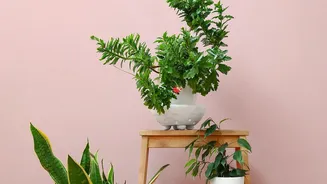
Drawing the Eye Upwards
The number one rule of small-space decorating is to create an illusion of height and airiness. Hanging plants are a perfect tool for this. Instead of cluttering the floor with pots, suspending greenery from the ceiling, walls, or high shelves immediately
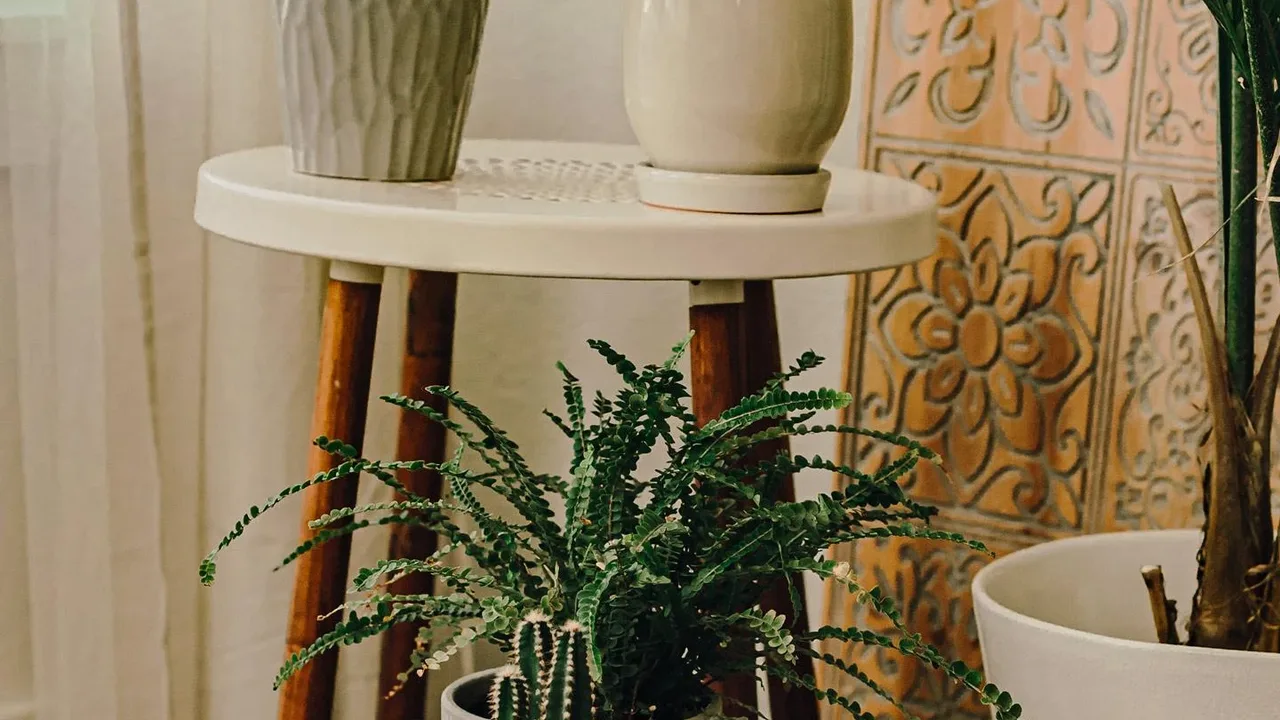
draws the eye upward. This vertical interest creates a sense of a larger, more dynamic room. Your gaze follows the trailing vines of a pothos or the cascading leaves of a spider plant, making the ceiling feel higher and the space more open. It’s a simple visual trick that distracts from the limited footprint and adds a layer of sophistication.
The Science of 'Natural Warmth'
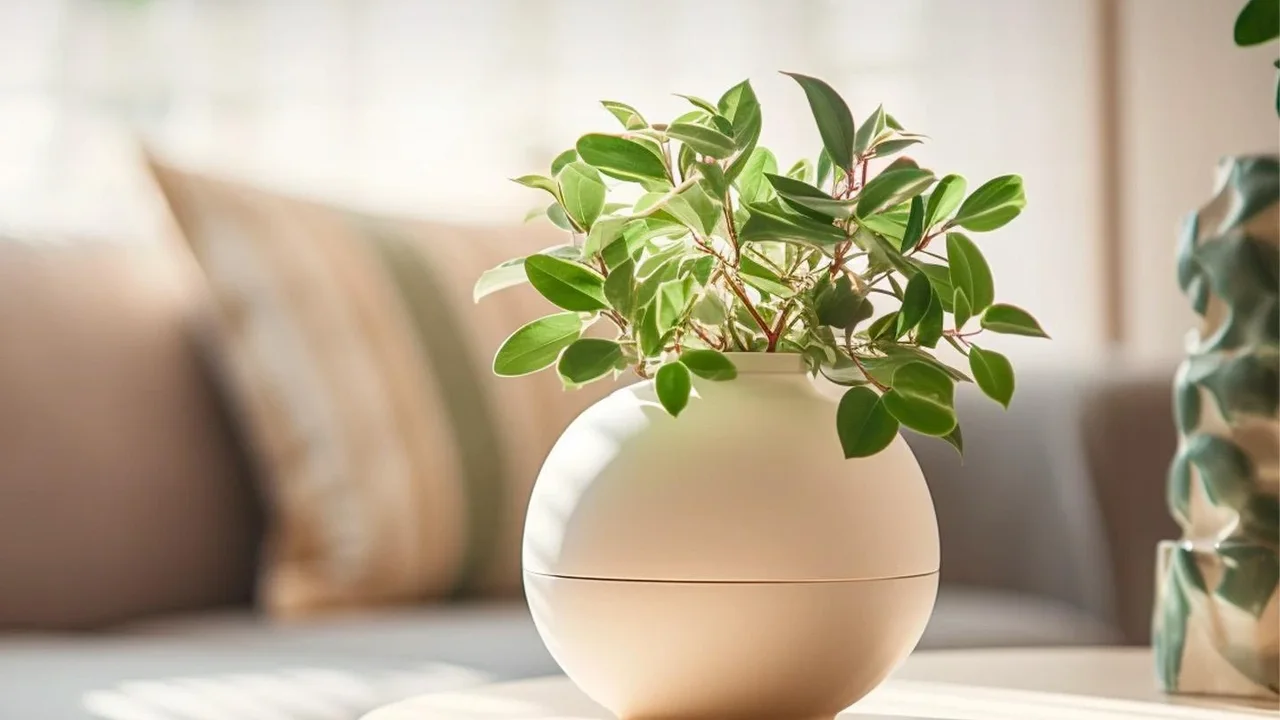
The term 'natural warmth' is more than just a feeling; it’s rooted in a concept called biophilia—the idea that humans have an innate need to connect with nature. Incorporating natural elements like plants into our homes can significantly enhance our mental well-being. Studies have shown that interacting with indoor plants can reduce both physiological and psychological stress. This connection to nature brings a sense of calm and vitality into a space, which is especially important in dense urban environments where outdoor access may be limited. The greenery acts as a living, breathing piece of decor that softens hard architectural lines and makes a home feel more welcoming and restorative.
The Right Plant for the Right Spot
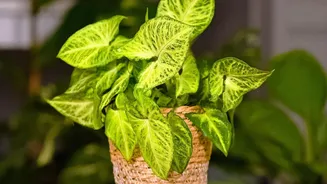
Choosing the right plant is crucial, especially for apartment living where light conditions can be tricky. Fortunately, many of the best hanging plants are also famously low-maintenance. Money Plant (Pothos) is a hero for beginners; its trailing vines thrive in low to bright indirect light and it’s very forgiving. The Spider Plant is another excellent choice, known for its air-purifying qualities and the charming 'spiderettes' that dangle from the main plant. For a sunnier spot, a String of Pearls offers a unique, bead-like appearance that cascades beautifully. English Ivy and Heartleaf Philodendron are also classic, hardy choices that do well in the partial or low light common in many Indian homes.
Creative Ways to Go Vertical
Hanging plants aren't just about a single hook in the ceiling. There are numerous creative and renter-friendly ways to display your greenery. Macrame hangers offer a bohemian, textural element and can hold a variety of pot sizes. Wall-mounted rings or brackets allow you to turn a blank wall into a living art installation. You can install a sturdy tension rod in a window frame and use 'S' hooks to hang multiple lightweight plants, creating a beautiful curtain of green that filters the light. For those who can't drill holes, high-strength adhesive hooks, magnetic hooks on metal beams, or even clamp-based systems can provide secure mounting points without permanent damage.
Installation and Care Essentials
Safety first: if you are drilling into the ceiling, use a stud finder to locate a ceiling joist for a secure anchor point. For drywall, use a swag hook with a toggle bolt, which is designed to distribute weight and prevent the hook from pulling out. Always check the weight rating of your hooks. When it comes to care, remember that hanging pots can dry out faster than those on the ground due to increased air circulation. Check the soil every few days by touching the top inch. If it's dry, it's time to water. To avoid messy drips, take the plant down and water it in the sink, letting it drain completely before hanging it back up.