


Rediscovering a Traditional Super-Grain
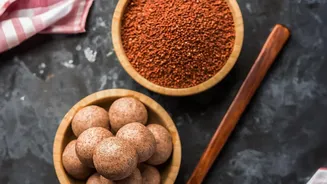
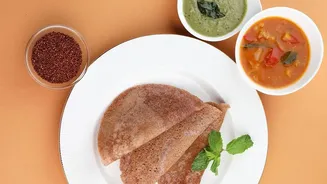
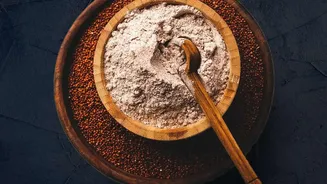
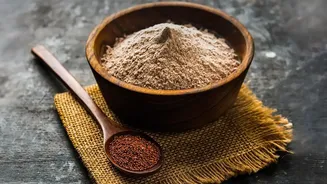
Ragi, also known as finger millet or nachni, is a nutrient-dense grain that has been a staple in Indian households for generations. Recognisable by its reddish-brown colour, this tiny grain is celebrated for its versatility and robust nutritional profile.
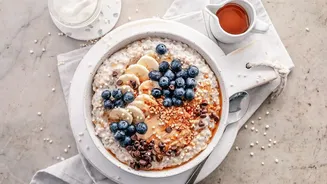
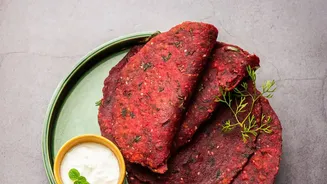
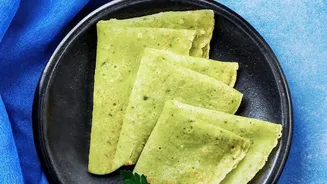
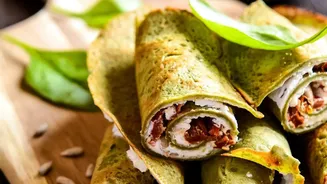
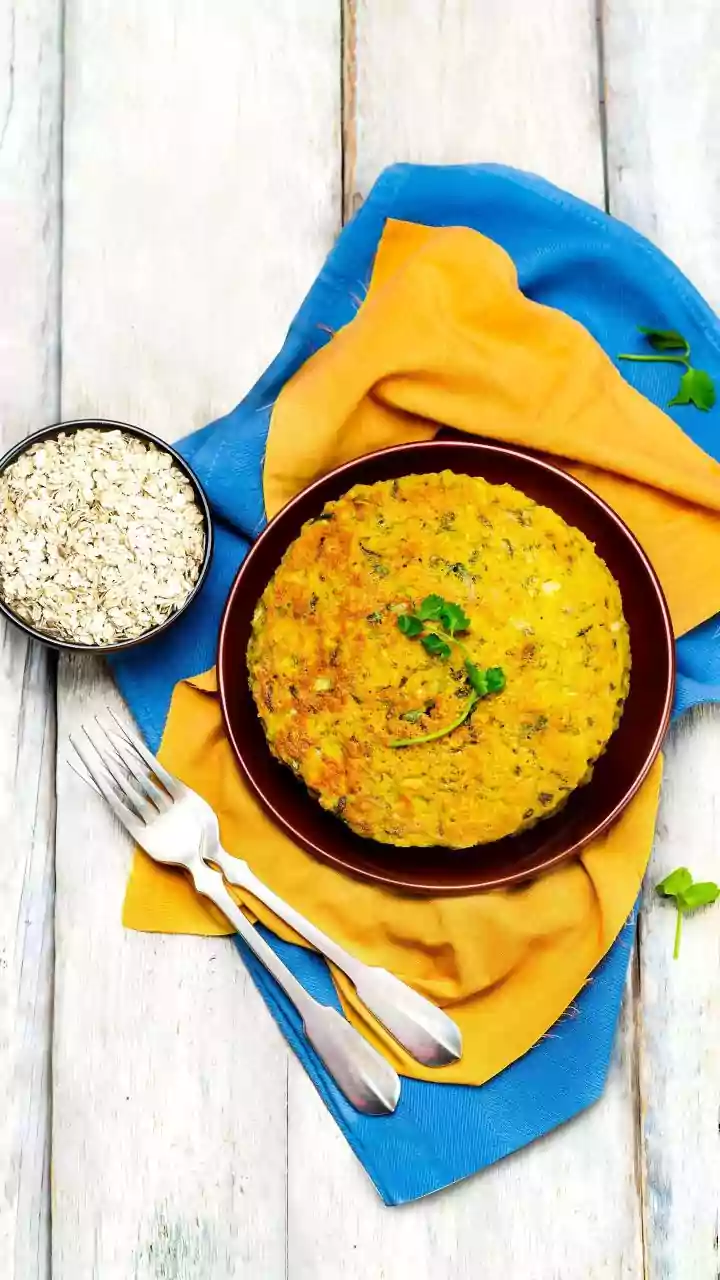
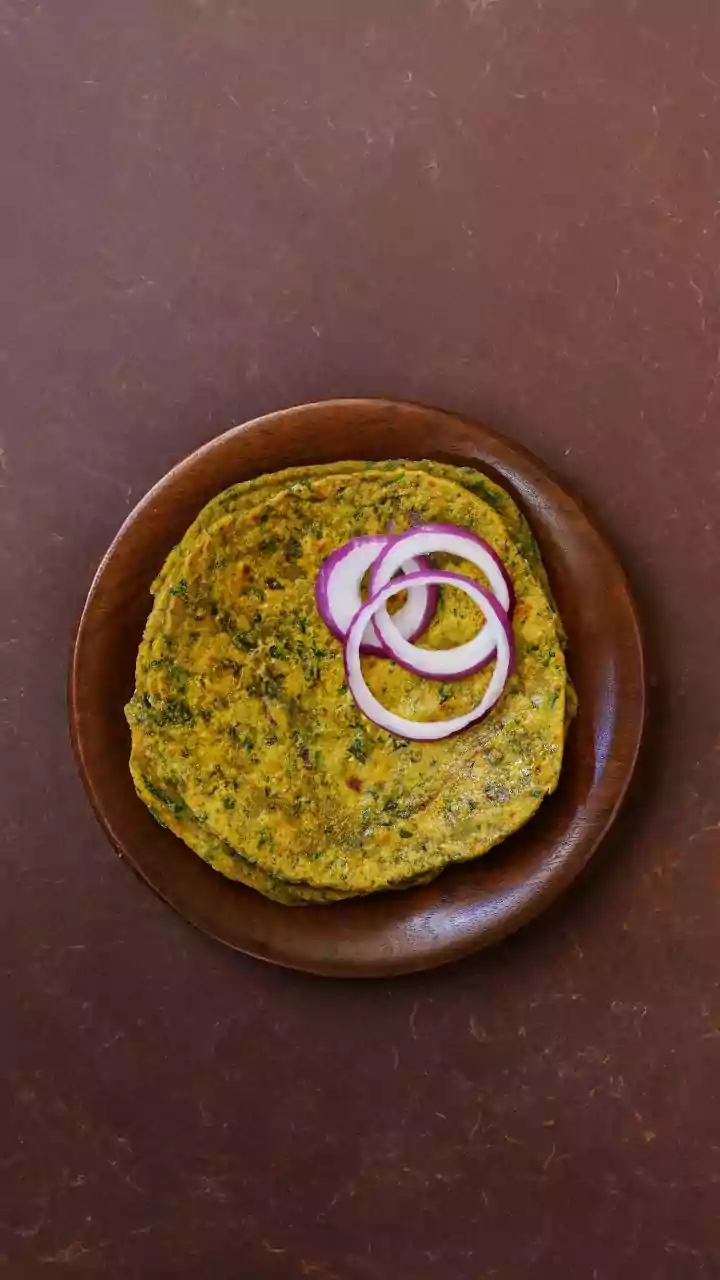
While traditionally used in porridge (kanji) or flatbreads (roti), ragi is now being embraced in contemporary forms like crepes, dosas, and even baked goods. Its naturally gluten-free properties make it an excellent choice for those with gluten sensitivities or celiac disease, offering a wholesome alternative to wheat-based products. The grain's mild, nutty flavour pairs wonderfully with a variety of savoury ingredients, making it a perfect base for a nutritious meal any time of day.
A Powerhouse of Nutrition
The health benefits of ragi are extensive, solidifying its status as a superfood. It is exceptionally rich in calcium, boasting a concentration that is 5 to 30 times higher than that of other cereals, which is crucial for maintaining strong bones and teeth. Furthermore, ragi is a fantastic source of dietary fibre. This high fibre content aids in digestion, promotes a feeling of fullness, and can help in weight management by reducing the tendency to snack between meals. The grain also has a low glycaemic index, meaning it releases sugar into the bloodstream slowly. This quality makes it particularly beneficial for managing blood sugar levels. Rich in iron, it can help combat anaemia, and its protein content, including essential amino acids, supports overall health and muscle repair.
How to Make Simple Savoury Ragi Crepes
Crafting these nutritious crepes at home is surprisingly simple. For an instant version, you'll need ragi flour, a bit of rice flour or fine semolina (rava) for crispiness, and water to form a batter. In a bowl, combine one cup of ragi flour with a quarter cup of rice flour. Slowly add water while whisking continuously to create a smooth, lump-free batter. The ideal consistency should be thin and runny, similar to buttermilk. To this, add your flavourings. Finely chopped onions, green chillies, grated ginger, cumin seeds, and fresh coriander leaves are excellent choices. A pinch of salt is essential to bring out the flavours. Allow the batter to rest for about 15 to 30 minutes; this helps the flours hydrate properly and improves the texture of the crepes.
Cooking the Perfect Crepe
The key to a perfect ragi crepe, much like a good dosa, is a properly heated pan. Heat a non-stick tawa or griddle over a medium-high flame. Once hot, you can lightly grease it with oil. Before pouring each crepe, give the batter a good stir, as the flour tends to settle at the bottom. Pour a ladleful of the batter onto the hot pan, starting from the edges and moving towards the centre. Unlike regular dosas, you don't need to spread this batter; its thin consistency will allow it to spread naturally, creating a lacy texture. Drizzle a little oil or ghee around the edges and cook for a couple of minutes until the bottom turns crisp and golden brown. These crepes are typically cooked on one side, but you can flip them for an extra minute if you prefer.
Serving Suggestions and Variations
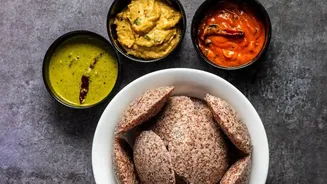
Savoury ragi crepes are wonderfully versatile and can be served in numerous ways. They pair beautifully with traditional Indian accompaniments like coconut chutney, tomato chutney, or sambar. For a simple, satisfying meal, they can also be enjoyed with a side of yoghurt or pickle. To enhance the nutritional value further, you can add finely grated vegetables like carrots or zucchini directly into the batter. For a different texture, some recipes suggest fermenting the batter overnight after mixing it with urad dal paste, which results in a softer, fluffier crepe, more akin to a traditional dosa. You can also experiment with fillings, such as a spiced potato mixture (masala), crumbled paneer, or sautéed vegetables, turning the simple crepe into a complete, filling meal.