





The Old Rules of Festive Eating
For years, the advice for navigating festive feasts was a simple, harsh rule: restriction. This all-or-nothing approach labelled foods as 'good' or 'bad'. Mithai, fried snacks, and rich curries fell firmly into the 'bad' category, to be avoided at all costs.
The goal was to resist temptation, often leading to feelings of deprivation amidst the celebrations. This mindset created a cycle of restriction followed by inevitable overindulgence, as completely avoiding beloved festive dishes is not only difficult but can also feel isolating during community celebrations. The pressure to say 'no' to food prepared with love by family and friends added a layer of social stress to what should be a joyful time.
Why All-or-Nothing Fails
The problem with strict restriction is that it often backfires. Psychologically, telling yourself you cannot have something only increases its appeal. This deprivation can lead to intense cravings and, eventually, binge eating. When you finally 'give in', you're more likely to consume far more than you would have if you had allowed yourself a small portion in the first place. This can result in a cycle of guilt and further restriction, creating a negative relationship with food. Nutritionists now widely agree that this black-and-white thinking is unsustainable and damaging. The focus is shifting towards balance and moderation, acknowledging that occasional indulgence is a normal part of life and celebration.
The New Approach: Mindful Servings
Instead of forbidding foods, the modern approach to festive nutrition is built on mindfulness and portion control. This means you can still enjoy your favourite gulab jamun or crispy pakora, but the key is the serving size. Mindful eating encourages you to pay full attention to the experience of eating: the flavours, textures, and your body’s signals of hunger and fullness. By being present, you can savour a small treat and feel satisfied, rather than mindlessly eating several pieces while distracted by conversation. This method empowers you to make conscious choices, enjoy festive flavours without guilt, and maintain your well-being.
Practical Tips for Mindful Feasting
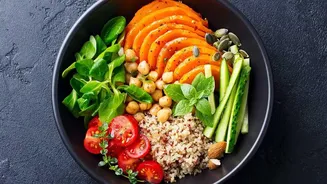
Putting this into practice can be simple. One popular strategy is the 'plate method': fill half your plate with vegetables or salad, a quarter with protein like dal or paneer, and the final quarter with carbohydrates like rice or roti. Using smaller plates can also psychologically help in managing portions, as they look fuller with less food. Before attending a party, having a small, healthy snack can prevent you from arriving ravenous and overeating. When it comes to sweets, some experts suggest a 'one-sweet rule'—choose the one you love the most and savour it completely. Staying hydrated is also crucial, as thirst is often mistaken for hunger.
Navigating Social and Family Gatherings
One of the biggest challenges during festivals is the loving insistence of relatives to eat more. It can feel impolite to refuse food prepared with care. Instead of a flat 'no', you can try more diplomatic approaches. You can accept a small portion, eat it slowly, and genuinely compliment the dish. This shows appreciation without obligating you to take seconds. Another strategy is to plan ahead. If you know you have a big festive dinner, you can opt for lighter meals earlier in the day to create a buffer. Remember, it is okay to politely state that you are full and have truly enjoyed the meal.
Balance Over Perfection
Ultimately, the shift towards mindful serving sizes is about creating a sustainable and positive relationship with food. It’s not about achieving perfection. The festive season is a short and special time of year; the goal is not to lose weight but to maintain balance and enjoy the celebrations without compromising your health goals. One or two indulgent meals will not derail your progress over the long term. By letting go of guilt and focusing on mindful enjoyment and sensible portions, you can fully participate in the joy of the festive season, food and all.