





A New Era of Caution
The shift from carefree rain-soaked getaways to a more calculated approach isn't happening in a vacuum. Recent weather patterns have shown an increase in extreme events during the monsoon. The India Meteorological Department (IMD) has been issuing frequent
alerts for heavy to very heavy rainfall across multiple states, from the hills of Uttarakhand and Himachal Pradesh to the coasts of Goa and the plains of Uttar Pradesh. Just this past week, authorities warned tourists in Himachal Pradesh to avoid landslide-prone areas and stay away from rivers due to predictions of excessive rainfall. These warnings often come with forecasts of disruptions to transport, power, and communication, making it clear that modern monsoon travel requires active risk assessment.
Your Pre-Trip Intelligence Briefing
The 'alert-check' begins long before you pack your bags. Spontaneity must give way to diligent research. Start by consulting official sources. The IMD's website and its 'Mausam' app are indispensable tools, providing real-time weather updates, forecasts, and crucial warnings for your destination and your route. For road trips, especially in hilly regions, checking for road closures due to landslides or flooding is non-negotiable. Experts suggest planning your journey with significant buffer time, as delays on trains and flights are common. It's also wise to book accommodations with flexible cancellation policies in case an official advisory forces a last-minute change of plans.
The Modern Monsoon Toolkit
Packing for a rainy trip goes beyond a simple umbrella. Your gear should be about resilience. Invest in a reliable waterproof backpack or a sturdy cover for your existing one to protect your belongings. Inside, ziplock bags or dedicated waterproof pouches are essential for safeguarding electronics like your phone, camera, and power bank. When it comes to clothing, prioritize quick-drying fabrics over cotton. For footwear, skip the stylish-but-impractical options and choose waterproof, skid-free shoes to navigate slippery surfaces and prevent fungal infections. A comprehensive first-aid kit is also crucial, stocked with basics plus items for monsoon-specific ailments like insect repellent, anti-diarrhoeals, and antiseptics.
Smart Driving in Wet Conditions
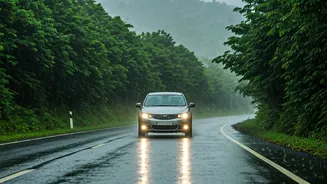
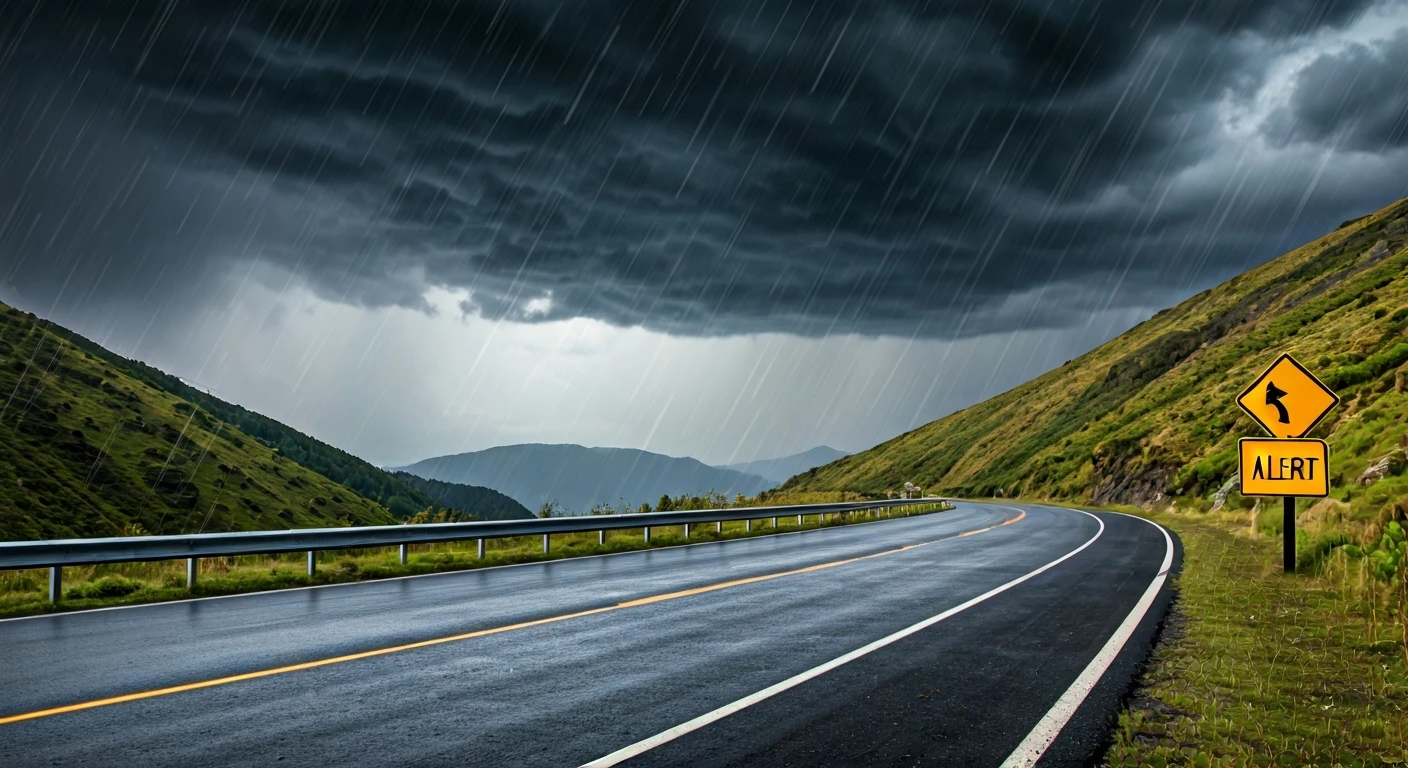
If you're driving, the stakes are higher. The cardinal rule is to slow down; braking distances increase significantly on wet roads. Maintain at least double the usual distance from the vehicle in front of you. Ensure your car is monsoon-ready by checking your tyres for adequate tread, verifying your brakes are in top condition, and replacing worn-out wiper blades. Always drive with your low-beam headlights on for better visibility, not your hazard lights, which are meant for stationary vehicles. Never attempt to drive through a waterlogged street if you can't gauge its depth; the water can cause severe damage to your car's engine. If visibility becomes dangerously low during a heavy downpour, the safest action is to pull over to a secure, elevated spot and wait for the rain to subside.
Staying Healthy on the Go
The monsoon season brings a heightened risk of waterborne and mosquito-borne diseases. Be extremely cautious about food and water hygiene. Avoid street food, no matter how tempting, as the risk of contamination is high. Stick to bottled water and ensure the seal is intact. Opt for freshly prepared, hot meals from clean, reputable establishments. Mosquitoes are rampant, so use a strong insect repellent, especially during dawn and dusk, to protect against diseases like dengue and malaria. Staying as dry as possible is also important; change out of wet clothes and shoes promptly to avoid skin infections.